When water safety notices are issued, it’s helpful to have a clear, simple plan for what to do at home. This guide explains practical steps for treating water, which uses require boiled or bottled water, and how to prepare for short-term advisories. It covers differences between apartments and houses, caring for children, older adults, and pets, and what to do after the advisory ends. The information here focuses on everyday actions households can take—boiling, storing, and coordinating with neighbors or building managers—to reduce risk and keep routines running. Follow any specific directions from local authorities; official guidance should always take priority. Use this page as a quick reference to find the relevant section for your situation and to prepare a short plan so you and your household are ready if an advisory happens.
What a Boil Water Advisory Actually Means
A boil water advisory is a public notice from local officials that tap water may not be safe to drink without additional treatment. It can apply to a neighborhood, a town, or a larger area. The goal is to reduce the chance of getting sick from germs that might be in the water supply.
Common reasons for a boil water advisory include:
- Water main breaks or major leaks
- Flooding that may have carried contamination into the system
- Power outages at treatment plants
- Equipment failures or low water pressure
- Routine testing that finds possible contamination
During an advisory, the water system is usually still running, but you are asked to change how you use it for drinking, cooking, and certain hygiene tasks. Advisories are generally temporary and are lifted after testing confirms that the water is safe again.
How to Safely Boil and Use Water
When a boil water advisory is in effect, the basic rule for most direct consumption is:
- Bring water to a rolling boil for at least one full minute (bubbles continuously rising across the entire surface), then allow it to cool.
- At higher elevations, local officials may recommend a slightly longer boiling time; follow their guidance when available.
Use boiled (then cooled) or properly bottled water for:
- Drinking and making ice
- Preparing baby formula or mixing powdered drinks
- Cooking food and rinsing fresh produce
- Brushing teeth and rinsing the mouth
- Washing food-related items like bottles, nipples, and cutting boards
Tips for safe boiling at home:
- Use a clean pot and lid.
- Boil only the amount you can safely cool and store.
- After boiling, pour water into clean, covered containers.
- Label containers (for example, with the date) so older water is used first.
A standard kitchen stove or an electric hot plate can handle boiling for most households. If your power is out, you may need a safe alternative heat source that is intended for indoor use. Follow manufacturer safety instructions and local guidance for any alternate cooking device.
Example values for illustration.
| Task | Why it matters | Notes |
|---|---|---|
| Boil water for at least 1 minute | Reduces common germs that may be present | Time starts once water reaches a rolling boil |
| Use boiled or bottled water for drinking | Drinking is the most direct way to ingest germs | Include pets’ drinking water |
| Use boiled water for brushing teeth | Tap water can enter the mouth even if not swallowed | Use a small cup to control portions |
| Prepare baby formula with boiled water | Infants rely heavily on mixed liquids | Let water cool before mixing |
| Wash dishes with hot, soapy water | Helps remove potential contaminants from surfaces | Rinse with boiled water when practical |
| Store cooled boiled water in clean containers | Reduces recontamination risk | Cover tightly and use within a couple of days |
What You Can and Cannot Do with Tap Water
Not every use of tap water is treated the same during a boil water advisory. Some activities are usually safe with normal tap water, while others should switch to boiled or bottled water. Always follow any more specific local instructions if they differ.
Tap Water Uses That Usually Need Boiled or Bottled Water
Use boiled (then cooled) or bottled water for:
- Drinking: Water you drink straight, mix with beverages, or add to ice trays.
- Food preparation: Cooking, making sauces, rinsing fruits and vegetables if they will be eaten raw.
- Brushing teeth and oral rinsing: Even if you do not swallow intentionally, small amounts can be taken in.
- Baby care: Mixing formula, cleaning bottles and nipples, and any water used directly for feeding.
- Certain medical devices used at home: Follow the device instructions and your provider’s guidance on water quality.
Tap Water Uses That Are Often Considered Acceptable
Local instructions vary, but during many advisories, the following are often allowed with regular tap water:
- Showering and bathing for most healthy adults: Avoid swallowing water; keep it away from eyes, nose, and mouth as much as possible.
- Handwashing: Use soap and rinse thoroughly. If advised locally, follow with an alcohol-based hand sanitizer.
- Laundry: Washing clothes as usual.
- Housecleaning: Mopping floors, cleaning surfaces, and flushing toilets.
For infants, older adults, or people with certain conditions, local guidance may ask you to take extra care with baths or showers. If you are unsure, follow local notices or contact local authorities for clarification.
Using Dishwashers and Washing Dishes
Many modern dishwashers reach high temperatures that can help reduce germs. During a boil advisory, common general guidance is:
- If your dishwasher has a hot wash and heated dry cycle, it may be acceptable to use. Check local instructions.
- If you wash dishes by hand, use hot, soapy water and rinse them with boiled water.
- Allow dishes to air dry completely before stacking or storing.
Boil Water Advisories in Apartments vs. Houses
Whether you live in a house or an apartment, the basic steps are the same: treat water before drinking or cooking with it. However, your living situation can change how you store, boil, and carry water.
If You Live in an Apartment or Small Space
Space is limited, so aim for simple, compact setups:
- Use smaller containers: Several medium jugs or bottles are easier to move and store than one large container.
- Boil in batches: Boil a pot or electric kettle several times a day and refill a few clean pitchers.
- Designate a clean area: Reserve a section of counter or a shelf just for boiled water and clean cups.
- Coordinate with neighbors: If safe and comfortable, share boiling tasks or storage space.
If You Live in a House
Houses sometimes allow for more storage and flexibility:
- Store extra boiled water in a cool place: Pantry shelves or a closet can hold several days’ worth of containers.
- Consider multiple boiling options: A stove, an electric kettle, or a safe outdoor setup (when conditions allow) can all help.
- Set up a central water station: A table with labeled jugs, cups, and a waste bin makes it easier for family members to follow the plan.
Planning for Families, Kids, Seniors, and Pets
Different household members have different needs during a boil water advisory. A little planning keeps routines smoother and reduces stress.
Families with Young Children
Children may forget not to drink from the tap, so focus on simple routines:
- Place cups of cooled boiled water where kids usually reach for drinks.
- Supervise toothbrushing and rinsing with boiled or bottled water.
- Use boiled water when rinsing fruits and vegetables that kids eat raw.
- Talk calmly about “special water rules” so they understand it is temporary.
Older Adults and People Who Need Help
Some people may find it harder to remember or carry out extra steps:
- Pre-fill and label pitchers or small bottles with boiled water.
- Place a reminder note near the sink or on the refrigerator.
- Offer help with boiling, carrying, and refilling containers.
- Check that any pills taken with water are paired with boiled or bottled water.
Pets
During a boil water advisory, treat your pets’ drinking water as you treat your own:
- Use boiled (then cooled) or bottled water for pet bowls.
- Wash food and water dishes with hot, soapy water and rinse with boiled water when practical.
- Refresh water bowls daily, just as you would with normal tap water.
Short-Term Preparedness for Future Advisories
Boil water advisories are usually short lived, but they can feel disruptive. A few simple preparations make them much easier to handle, especially when combined with other events like storms or power outages.
Basic Water Storage for a Few Days
For everyday readiness, many households aim to keep some stored water on hand. General examples include:
- Per person: Having enough drinking water for several days at home can make advisories less stressful.
- Pets: Add extra for animals in the home.
- Containers: Clean food-grade jugs, pitchers, or larger storage containers stored away from direct sunlight.
If an advisory is announced and your water is still running, you can:
- Fill clean pots and containers to boil later.
- Set aside some untouched tap water for non-drinking uses like flushing toilets or cleaning (if your supply is at risk of being shut off).
Simple Treatment Options Beyond Boiling
Boiling is often the first and most widely recommended step during an advisory. Some households also keep other basic options on hand for flexibility, such as:
- Household water filters: These may improve taste and remove certain particles, but many are not designed to replace boiling during an advisory. Check the device’s instructions to understand what it is intended to do.
- Portable treatment tools: Some small filters or treatment tablets are designed for outdoor or emergency use. Read and follow their instructions carefully and understand their limitations.
- Stored bottled water: A small reserve can give you a buffer while you get your boiling routine set up.
Always follow local guidance, which is based on what is suspected to be in the water. Some tools target specific issues and are not universal solutions.
Coordinating with Neighbors and Building Management
In multi-unit buildings or closely spaced neighborhoods, communication helps:
- Check notices: Building managers or homeowner associations often share updates and practical tips.
- Share equipment: An electric kettle, large pot, or safe hot plate can be shared if everyone agrees.
- Support those who need help: Offer to boil and deliver water to neighbors who may have difficulty doing it themselves.
Example values for illustration.
| People & pets | Days to plan for | Storage approach | Rotation cue |
|---|---|---|---|
| 1 adult | 3 days | Several medium jugs or bottles | Use and replace every few months |
| 2 adults | 3–5 days | Mix of small bottles and larger containers | Swap into daily use twice a year |
| Family of 4 | 3–7 days | Dedicated storage bin with labeled jugs | Check dates at time changes or holidays |
| Family of 4 + small pet | 3–7 days | Separate small bottles marked for pet use | Refresh when pet food is restocked |
| 2 adults + older relative | 5–7 days | Easy-to-lift containers on low shelves | Review when medications are refilled |
| Apartment roommates | 3–5 days | Shared closet shelf with labeled containers | Rotate at each lease renewal |
What to Do When the Advisory Is Lifted
Once officials declare the water safe again, a few final steps help your home transition back to normal use.
- Run cold water taps: Let them run for a short period to bring in fresh water through the pipes.
- Flush appliances: Run a cycle on refrigerators with water dispensers, ice makers, and built-in water filters according to their instructions.
- Replace disposable filters if recommended: Check manuals for guidance on what to do after a boil water event.
- Discard old ice: Empty ice bins made during the advisory and allow new ice to form with fresh water.
- Return to normal routines: You can resume drinking, cooking, and brushing teeth with tap water once the advisory is officially lifted.
Keeping a simple written plan for boil water advisories—who collects containers, who boils, who helps more vulnerable family members—can turn a disruptive event into a manageable inconvenience the next time it happens.
Frequently asked questions
How long should I boil water to make it safe during a boil water advisory?
Bring water to a rolling boil for at least one full minute, then let it cool before storing or using. At higher elevations, local officials may recommend boiling for a longer period; follow their guidance if provided. Store cooled boiled water in clean, covered containers.
Can I use hot tap water or water from the water heater for drinking or cooking during an advisory?
No, hot tap water and water from heaters are not recommended for drinking or cooking because they can contain metals or sediment from plumbing and tanks. Instead, draw cold tap water and bring it to a rolling boil, or use bottled water if available. Do not use standing hot water as a shortcut for treated drinking water.
Is it safe to shower or bathe during a boil water advisory?
For most healthy adults, showering and bathing is usually acceptable as long as you avoid swallowing water and keep it away from eyes, nose, and mouth. Infants, young children, and people with weakened immune systems should take extra precautions, such as sponge baths using boiled or bottled water if advised. Always follow any specific local instructions that may be issued for vulnerable groups.
Can I use my dishwasher during a boil water advisory?
Dishwashers that have a hot wash and heated dry cycle may reach temperatures that reduce germs and are often acceptable to use, subject to local guidance. If hand washing, use hot, soapy water and rinse dishes with boiled or bottled water when practical. Allow dishes to air dry completely before storing to reduce recontamination risk.
What should I do with ice, built-in filters, and water dispensers after an advisory is lifted?
Discard any ice made during the advisory and run water through dispensers and ice makers to clear the lines once officials say the water is safe. Replace disposable filters if local guidance or the device instructions recommend it, and follow appliance-specific flushing steps. You can resume normal use only after the advisory is officially lifted and testing confirms safety.
Recommended next:
- Water Storage Guide: How Much You Need, Where to Put It, and How to Rotate
- Water Storage Calculator: People × Days (Plus a Pet Add-On)
- Best Water Containers for Home Storage: Materials, Sizes, and Caps
- Storing Water in Small Spaces: Apartment and Closet-Friendly Options
- Water Rotation Schedule: A Simple FIFO System Anyone Can Follow
- How to Clean and Sanitize Water Containers Safely
- More in Water Readiness →
- Simple checklists and realistic planning
- Water, power, lighting, and pantry basics
- Family plans (kids, pets, seniors) and seasonal prep
How to Transport Water Safely: Car, Stairs, and Heavy Containers
Rainwater for Emergency Use: Practical Limits and Safety Basics
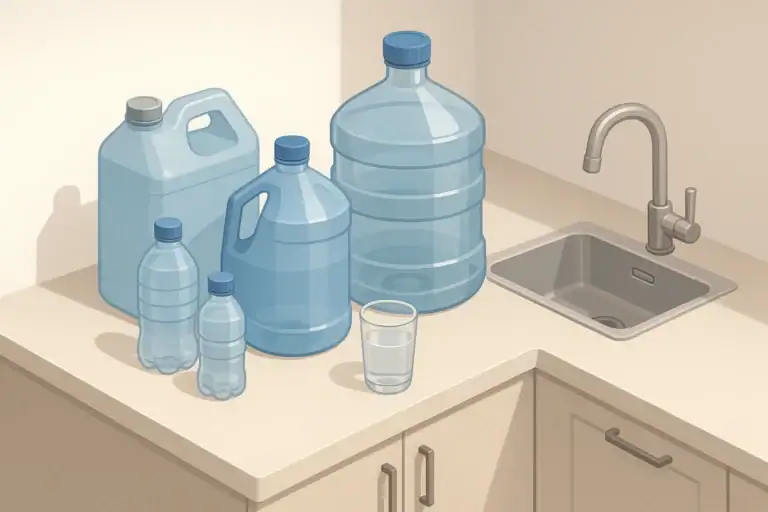
Emergency Household Water Sources: What’s Safe to Use and What’s Not
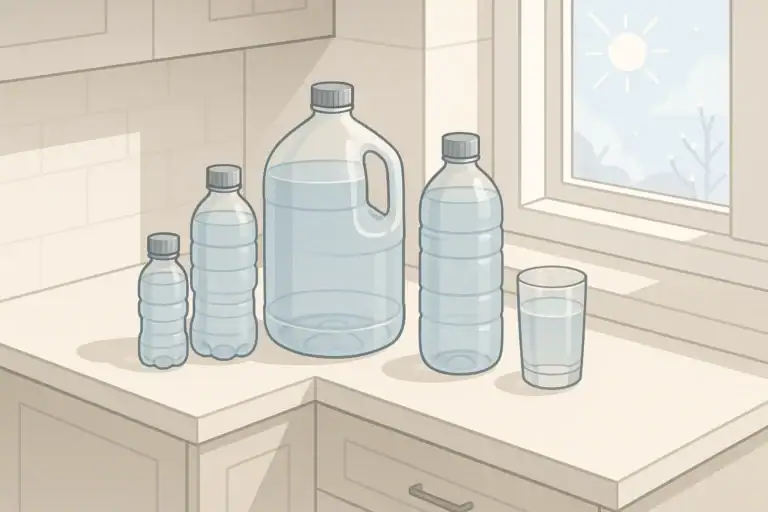
Storing Water in Heat or Freezing Conditions: What Changes
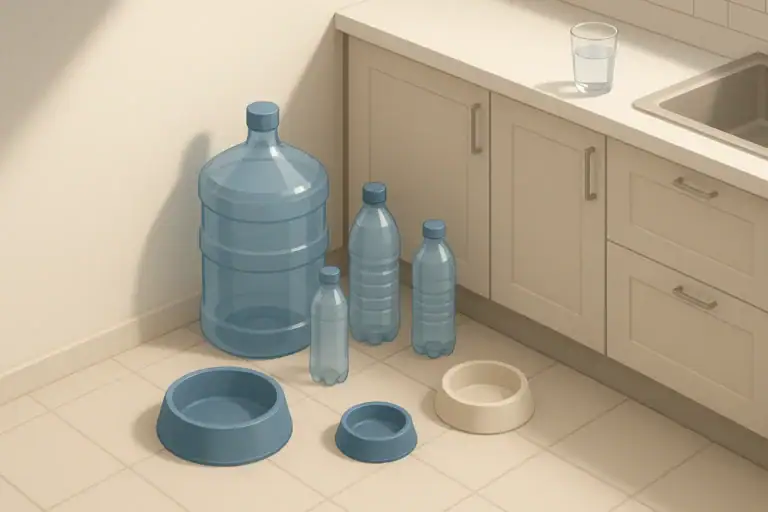
Emergency Water for Pets: How Much to Store and How to Serve It
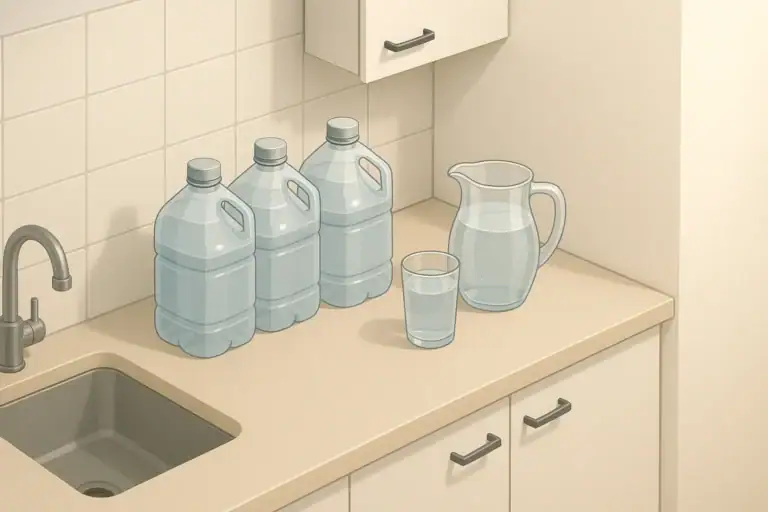
Making Tap Water Taste Better in an Emergency: Easy Steps