Why Every Apartment Needs a Blackout Plan
Power outages are part of normal life, especially during storms, heatwaves, or equipment failures. In an apartment, you may not control the building systems, but you can control how prepared you are inside your unit. A blackout plan is a simple checklist of what you will do before, during, and after a power outage. It keeps decisions easy when the lights go off, especially if you have kids, pets, or older adults at home. For renters and apartment dwellers, the priorities are:- Safe lighting so you can move around without injury
- Basic backup power for phones and essential small devices
- Practical food, water, and sanitation options that fit small spaces
- A communication and check-in plan with friends or family
- Seasonal comfort and safety during hot or cold weather
First Steps When the Power Goes Out
When the lights suddenly shut off, having a simple script in your head helps prevent confusion. Focus on safety first, then comfort.1. Check Safety in Your Apartment
- Stay calm and stop moving quickly. Give your eyes a moment to adjust.
- Use a flashlight, not candles, if you can. Candles increase fire risk, especially in small, cluttered spaces.
- Turn off hot appliances. Switch off stoves, ovens, irons, and space heaters so they do not turn back on unattended when power returns.
- Unplug sensitive electronics. Consider unplugging computers, TVs, and gaming systems to reduce risk from power surges when electricity returns.
- Check for unusual smells or sounds. If you smell burning, gas, or hear alarms, leave the unit and follow your building’s safety procedures.
2. Confirm It Is a Building or Area Outage
- Look out the window: are nearby buildings or streetlights dark?
- Check hallway lights or the elevator panel (do not ride the elevator during an outage).
- If it is safe and you are able, check with a neighbor on your floor.
- Use a charged phone to check local outage maps or news, if cellular service or data is available.
3. Switch to Your Blackout Setup
Once immediate safety is handled, move to your planned setup:- Turn on your primary battery lantern or area light.
- Set out a small flashlight or headlamp for each person.
- Plug phones into fully charged power banks or backup power stations, if you have them.
- Fill a pitcher with tap water if it is still running and safe to drink, in case service is later disrupted.
- Place a trash bag and wipes or tissues in the bathroom for easier hygiene if water use becomes limited.
| Task | Why it matters | Notes |
|---|---|---|
| Turn off hot appliances | Prevents fire risk when power returns | Stove, oven, space heaters, irons |
| Switch to battery lighting | Reduces trips and falls | Keep one main lantern in shared area |
| Unplug sensitive electronics | Avoids damage from power surges | TVs, gaming systems, computers |
| Check neighbors or hallway | Confirms building vs unit issue | Use stairs, not elevator |
| Fill extra water container | Gives short-term backup water | Pitchers, clean bottles, pots |
| Text a contact outside area | Lets someone know your situation | Share basic status and timeframe |
| Locate go-bag or essentials kit | Makes evacuation easier if needed | Keep near door in a small bag |
Lighting: Seeing Safely Without Power
Good lighting may be the single most useful tool in a blackout, especially in hallways, stairwells, and windowless bathrooms common in apartments.Safe Lighting Options for Apartments
Focus on low-heat, battery-powered options that can run for many hours.- LED flashlights: Compact, efficient, and good for moving around.
- LED lanterns: Provide area lighting for a room so everyone can see and read or play games.
- Headlamps: Helpful for cooking, cleaning, or carrying kids or pets when your hands are full.
- Small plug-in emergency lights: Some people use models that stay plugged in and turn on when power drops. If you use these, place them near exits or hallways.
Candle and Open Flame Safety
If you must use candles because you have no other option:- Place them on sturdy, non-flammable surfaces well away from anything that can burn.
- Keep them out of reach of children and pets.
- Never leave them unattended or burning while you sleep.
- Keep a way to extinguish them nearby.
Simple Lighting Plan for Small Spaces
A basic lighting setup for a one- or two-bedroom apartment might be:- One main lantern for the living area
- One small lantern or flashlight for the bathroom
- One flashlight or headlamp per person
- Spare batteries stored in a dry, easy-to-reach container
Backup Power Basics for Apartment Dwellers
In an apartment, backup power usually means small, portable options rather than large generators. Many buildings do not allow fuel storage or outdoor generators on balconies for safety reasons. Always review your lease and building rules before considering any powered equipment.Realistic Backup Power Goals
Instead of trying to power your whole apartment, set simple targets:- Keep phones and one or two small devices charged
- Run a small fan during hot-weather outages if allowed and practical
- Charge small LED lanterns or rechargeable batteries
Common Apartment-Friendly Power Options
- USB power banks: Small, easy to store, and can recharge phones multiple times depending on capacity. Charge them whenever storms are forecast.
- Portable battery power stations: Larger rechargeable units that may power several devices at once. Some can be recharged from wall outlets, vehicle outlets, or solar panels, if you have safe access.
- Rechargeable AA/AAA batteries: Useful for flashlights, lanterns, and small radios.
Using Power Wisely During a Blackout
To stretch your backup power through an outage:- Keep phones on low power mode and reduce screen brightness.
- Limit streaming and video calls; use text messages when possible.
- Charge critical devices first (phones, basic medical equipment if you have it).
- Turn off devices as soon as they are charged instead of leaving them plugged in.
Food and Water Readiness in a Small Apartment
Most urban outages are resolved within a day or two, but having a small buffer of food and water increases comfort and flexibility, especially if elevators are not working or it is difficult to leave the building.Water Planning for Short Outages
In many apartments, water continues flowing during a power outage, but this is not guaranteed. Systems that rely on electric pumps can slow or stop, especially on higher floors. Simple water steps:- Keep some stored drinking water on hand in sealed containers.
- At the start of an outage, if taps work and the water is safe to drink, fill extra containers: pitchers, clean bottles, cooking pots.
- Use stored water mainly for drinking and basic hygiene if water service becomes limited.
Pantry Staples That Work Without Power
Apartment food readiness works best when it fits into your normal cooking habits. Choose shelf-stable foods you already like, that can be eaten cold or with very simple heating. Ideas that require little or no cooking:- Ready-to-eat canned foods
- Nut butters and shelf-stable spreads
- Crackers, dry cereals, granola, and nuts
- Shelf-stable milk or milk alternatives
- Instant meals that only require hot water, if you have a safe way to heat water
Managing Your Refrigerator and Freezer
Refrigerators and freezers hold cold for a while if left closed. Opening them frequently speeds up warming.- Keep the doors closed as much as possible.
- Group needed items together so you can grab them quickly if you must open the door.
- Use refrigerated foods that do not require cooking first, then move to shelf-stable foods.
Communication and Check-In Plans
In a blackout, staying informed and connected helps you make good decisions. Cellular networks may still function, but they can be slow or overloaded.Staying Informed During an Outage
- Use your phone sparingly to check local outage maps or news.
- If you have a small battery-powered or hand-crank radio, it can provide local updates without draining your phone.
- Follow instructions from local authorities and your building management if they are available.
Creating a Simple Family Communication Plan
Even in a small apartment, a brief written plan reduces confusion, especially if some family members are away from home when the power fails. Include:- Primary contact outside your area: A friend or relative in another city who can act as a message hub.
- Check-in methods: Text message first (often more reliable than calls), then voice call only if needed.
- Expected check-in times: For example, “We will try to check in every 6–12 hours if possible.”
- A simple meeting point: If your building becomes unsafe and you need to leave, agree on a nearby safe place where everyone will go.
Caring for Kids, Pets, and Older Adults
Different household members have different needs during an outage. A bit of planning makes things easier for everyone.Kids in an Apartment Blackout
Children tend to handle outages better when they feel informed and occupied.- Explain in simple terms what is happening and that it is usually temporary.
- Set aside blackout activities: coloring supplies, card games, small toys, or books.
- Keep a small flashlight or glow stick for each child, with rules about not shining it in eyes.
- Maintain regular routines as much as possible, especially bedtime.
Pets in Small Spaces During Outages
For pets, the main issues are comfort, water, and safe movement in the dark.- Keep extra pet food and water stored with your own supplies.
- Use gates or close doors to block off unsafe areas in low light.
- In hot weather, provide cool resting spots away from windows that heat up.
- In cold weather, provide blankets or bedding in interior rooms.
Supporting Older Adults or Those With Limited Mobility
For household members who move more slowly or rely on powered equipment, talk with their healthcare provider or local support services about blackout planning that fits their needs and devices. Practical steps inside the apartment often include:- Keeping clear walking paths and removing tripping hazards.
- Placing a flashlight or lantern within easy reach of beds and chairs.
- Having a written list of medications and important contacts.
| Device type | Typical use pattern | Planning notes |
|---|---|---|
| Smartphone | Several brief checks per hour | One mid-sized power bank may recharge a phone a few times |
| Small LED lantern | 4–6 hours per evening | Many run multiple evenings on fresh batteries |
| Battery radio | Short news updates a few times per day | Often uses little power; spare batteries last a while |
| USB fan (personal size) | Used during hottest part of day | Can draw more power; plan limited run time |
| Rechargeable headlamp | Short tasks like cooking or cleaning | Top off charge whenever grid power is available |
| Tablet or e-reader | Occasional use for reading | Use low brightness to extend battery life |
Seasonal and Regional Blackout Scenarios
Outage risks and comfort challenges change with the seasons and where you live. While you cannot control weather or infrastructure, you can adjust your blackout plan to fit likely scenarios.Winter Storms and Cold Weather
In cold regions, winter storms can bring both outages and travel difficulties.- Identify the warmest room in your apartment, often an interior room with few windows.
- Keep extra blankets and layers stored where you can find them quickly.
- Use safe, non-flame heat sources only if building rules and safety guidance allow; never use outdoor grills or stoves indoors.
- Close curtains and blinds to reduce heat loss from windows.
Heatwaves and Hot Weather
High heat during a blackout can be especially challenging in upper-floor apartments.- Close blinds and curtains during the hottest part of the day.
- Open windows only when outside air is cooler than inside, if outdoor air quality is acceptable.
- Use battery or USB fans sparingly to move air.
- Drink water regularly and avoid heavy activity during peak heat.
Hurricanes, High Winds, and Flooding
In coastal or storm-prone areas, outages may accompany strong winds and heavy rain.- Follow local evacuation orders and guidance without delay.
- If you shelter in place, move items off the floor in lower-level units in case of minor flooding.
- Keep your go-bag and essential documents ready near the door.
- Charge all devices fully when severe weather is forecast.
Wildfire Smoke and Air Quality Concerns
In areas affected by wildfire smoke, a blackout may coincide with poor outdoor air quality.- Keep windows and doors closed when smoke is present.
- Limit opening doors to stairwells and hallways if smoke is noticeable there.
- If you use any air-cleaning devices when power is on, consider how you will manage if they are off for several hours.
Keeping Your Apartment Blackout-Ready
A blackout plan works best when it is simple enough to maintain without much effort. Instead of a one-time project, think of it as part of normal home upkeep.Quick Maintenance Routines
- Check flashlight and lantern batteries a few times a year and replace or recharge as needed.
- Review your pantry for items nearing their best-by dates and rotate them into regular meals.
- Top off power banks and portable power stations when severe weather is in the forecast.
- Revisit your communication plan annually or after any move or family change.
Keeping It Manageable in Small Spaces
If storage is tight, combine your blackout items with other household categories:- Store your main lantern, flashlight, and power bank in a small basket by the front door.
- Use under-bed or closet bins for extra water, food, and blankets.
- Keep a compact go-bag that doubles as a travel bag, stocked with basics you use regularly.
Frequently asked questions
How much water should I store for a 24–72 hour blackout in an apartment?
Plan for about 1 gallon (3.8 liters) per person per day for drinking and basic hygiene, so store roughly 1–3 gallons per person to cover 24–72 hours. If taps are still running at the start of an outage, fill pitchers and clean bottles to supplement stored water. Keep containers sealed and store them in a cool, stable place.Are candles safe to use in a small apartment during a blackout?
Candles increase fire risk and are generally best avoided in small, cluttered apartments; battery-powered lighting is safer. If you must use candles, place them on sturdy, non-flammable surfaces away from flammable materials, keep them out of reach of children and pets, and never leave them unattended. Have a way to extinguish flames nearby and avoid sleeping with candles burning.Can I use a portable generator or other fuel-powered equipment in my apartment?
Fuel-powered generators are usually not appropriate for apartments and are often prohibited by lease or building rules due to carbon monoxide and fire risks. They must be operated outdoors with proper ventilation and specific safety measures, which may not be possible in apartment settings. Apartment dwellers should consider battery-based power stations or power banks as safer, more practical alternatives.How long will food stay safe in my refrigerator or freezer during a power outage?
A refrigerator typically keeps food safe for about 4 hours if the door remains closed, while a full freezer can maintain safe temperatures for roughly 24–48 hours depending on how often it is opened. Keep doors closed as much as possible and group items so you can grab what you need quickly. When in doubt about perishable items, follow local public health guidance or err on the side of caution and discard questionable foods.What are the most practical backup power options for apartment dwellers?
Small USB power banks and portable battery power stations are the most practical options for apartments because they are compact, do not use combustible fuel, and can recharge phones, lights, and small fans. Rechargeable AA/AAA batteries are also useful for flashlights and radios. Store charging cords with the devices and recharge units whenever grid power is available.Recommended next:
- Blackout Plan (Apartment / House): Step-by-Step Checklist for the First 24 Hours
- Blackout Plan for Houses: What to Do When the Power Goes Out
- Backup Power Basics: Watts vs Watt-Hours and Why It Matters
- How to Estimate Runtime for Your Devices (Without Guessing)
- Load Priorities: What to Power First in an Outage
- Phone Charging Strategy During Outages: Save Power and Charge Smarter
- More in Blackouts & Backup Power →
About
ReadyHomePlan
ReadyHomePlan publishes practical home readiness guides for outages and short-term emergencies—power, water, food basics, communication, and family planning—without hype.
- Simple checklists and realistic planning
- Water, power, lighting, and pantry basics
- Family plans (kids, pets, seniors) and seasonal prep
Backup Power Costs Explained: One-Time Gear vs Ongoing Fuel and Batteries
Backup Power Maintenance: Monthly Checks and Seasonal Prep
Lighting Strategy for Outages: Zone Your Home for Safety and Comfort
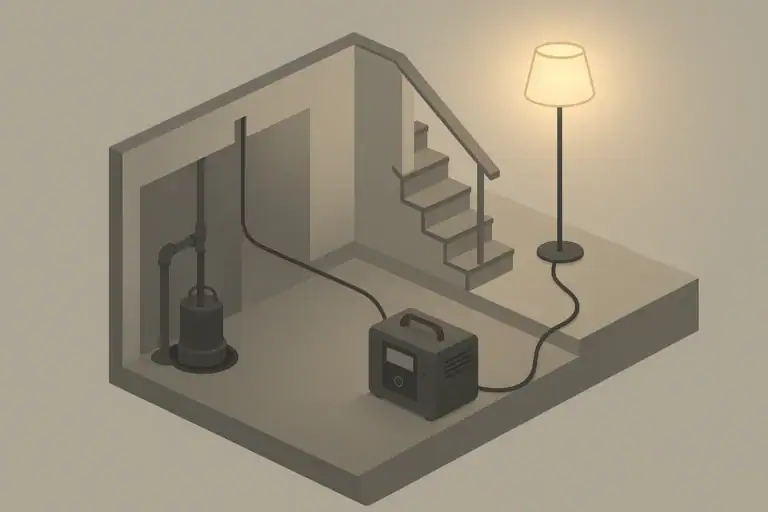
Sump Pump Backup Options: Planning for Basement Flood Risk
Water and Power: What Stops Working in Most Homes During Outages
Can You Run a Microwave, Kettle, or Space Heater on Backup Power? Reality Check
Keep reading