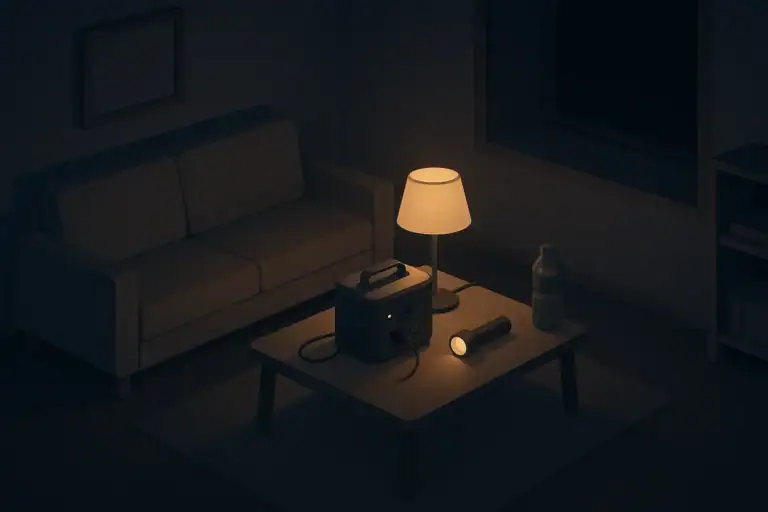
Why a Simple Blackout Plan Matters
Power outages are a normal part of life, caused by storms, heat waves, equipment failures, or routine maintenance. In most neighborhoods, the power comes back within a few hours. Sometimes it can take most of a day. Having a calm, realistic plan for the first 24 hours makes a blackout uncomfortable, not overwhelming.
This guide walks through a step-by-step checklist you can follow in both apartments and houses. It focuses on:
- Staying safe while the lights are out
- Keeping food, water, and medications in good shape
- Using backup power and lighting wisely
- Coordinating with family, kids, pets, and neighbors
You can use this article to build a written blackout plan and to practice it during a planned “lights out” drill at home.
Immediate Actions: First 10–15 Minutes
The first few minutes of a blackout are about safety, not comfort. Move slowly, make the area safe, then get organized.
1. Confirm It Is a Blackout, Not Just a Tripped Breaker
- Look out a window to see if nearby homes, streetlights, or hallway lights (in an apartment building) are out.
- Try a light switch in another room.
- If you are in a house, check your breaker panel with a flashlight. Reset tripped breakers once. If they trip again, leave them off and wait for power company updates.
If the outage seems limited to your unit or home and breakers keep tripping, consider it an electrical issue and avoid using that circuit until inspected.
2. Get Safe Lighting Set Up
Before moving around much, establish a few stable light sources.
- Use battery-powered lanterns or flashlights rather than open flames.
- If you use candles, keep them on sturdy, nonflammable surfaces, away from curtains, pets, and children, and never leave them unattended.
- Assign one light to a central room and one to the bathroom if possible.
3. Stabilize the Fridge and Freezer
Cold food can stay safe for several hours if you keep doors closed.
- Close refrigerator and freezer doors firmly.
- If you have a thermometer in the fridge or freezer, note the current temperature with a notepad or your phone (if it was visible before lights went out).
- Plan to avoid opening cold storage unless you are quickly taking out items for the next several hours.
4. Check for Any Immediate Hazards
- Turn off electric stoves, ovens, irons, and space heaters that were on when power failed.
- If you smell burning or see sparking, leave the area and seek help from building management or emergency services.
- In apartments, avoid using elevators during or immediately after an outage.
| Task | Why it matters | Notes |
|---|---|---|
| Confirm scope of outage | Helps decide if you need building help or utility updates | Look outside; try another room; check breaker panel in houses |
| Set up safe lighting | Prevents trips and falls in dark hallways and stairs | Prefer battery lights; avoid candles near anything flammable |
| Turn off hot appliances | Prevents sudden reheating when power returns | Check stove, oven, space heaters, irons, hair tools |
| Secure refrigerator and freezer | Extends safe food temperature during the outage | Keep doors closed; plan limited access |
| Locate emergency kit | Centralizes essentials like flashlights, batteries, and water | Keep kit in the same place year-round |
| Reassure household members | Reduces anxiety for kids, seniors, and pets | Explain that outages are usually temporary |
Hour 1–4: Settle In and Protect Essentials
Once the immediate rush is over, focus on comfort, information, and protecting what you already have: cold food, water, medications, and phone battery.
5. Gather Your Core Blackout Supplies
Bring key items into one central room so you are not hunting around in the dark later.
- Flashlights and lanterns (plus spare batteries)
- Battery pack or small backup power device (if you have one)
- Basic first-aid supplies
- Water for the next several hours
- Nonperishable snacks that do not need cooking
- Medications that must be taken during the next 12–24 hours
In apartments, consider stairwells and hallways: keep a flashlight by the door in case you need to use stairs with emergency lighting only.
6. Manage Information and Communication
Check on what is happening without draining batteries.
- Use a battery-powered or hand-crank radio if available.
- If using a phone, lower screen brightness and turn off nonessential apps.
- Send a brief check-in message to a family member outside your area with your status.
- Note any official updates about estimated restoration time.
In multi-unit buildings, a quick check-in with a neighbor on your floor can also confirm if the issue is building-wide.
7. Use Backup Power Thoughtfully
If you have a small battery power station or power bank, prioritize what it supports.
- Charge phones and critical communication devices first.
- Avoid running high-wattage appliances like space heaters or hair dryers from small backup systems.
- If you power a lamp, choose energy-efficient bulbs to stretch runtime.
- Rotate which devices charge, rather than leaving everything plugged in at once.
If you have a fuel-powered generator, follow safety basics:
- Never run generators indoors, in garages, or near windows or air intakes.
- Use outdoor-rated extension cords rated for the load.
- Refuel only when the generator is off and cooled.
8. Plan for Water Access and Use
Many homes still have running water during a blackout, but some do not, especially higher floors in tall buildings and homes with well pumps.
- Test faucets gently. If water is running, fill a few containers for drinking and basic hygiene.
- If you rely on an electric well pump, treat existing stored water as your main supply.
- Do not rely on ice makers or filtered dispensers that need power.
For toilets:
- In houses, toilets often still flush using gravity, even without power, as long as water service continues.
- In apartments, upper floors may see reduced water pressure. Conserve each flush if you are unsure how long the outage will last.
Hour 4–12: Comfort, Food Safety, and Temperature
If the power is still out after several hours, shift your plan from short delay to “most of the day.” Focus on managing temperature, food, and household routines.
9. Keep Food Safe Without Constant Fridge Access
Refrigerators and freezers are well-insulated. In many cases:
- A refrigerator can often keep food cold for several hours if unopened.
- A full freezer can often stay cold longer than a half-full one.
Practical steps:
- Plan one or two quick “raids” to grab what you need for the next 4–6 hours rather than frequent small openings.
- Favor shelf-stable foods that do not require heating: nut butters, crackers, canned beans or vegetables, ready-to-eat grains, shelf-stable milk or milk alternatives, and dried fruit.
- If you have a cooler and ice packs, you can move a small set of priority items (like milk for children or some medications that require cooling) into the cooler to reduce fridge opening.
Once power returns, check food carefully. If something smells off or was warm for an extended period, it is safer to discard it.
10. Temperature Management: Hot and Cold Weather
Indoor comfort can change quickly during outages in extreme weather. Apartments and houses behave differently:
- Apartments in larger buildings often hold temperature longer due to shared walls.
- Single-family homes may cool or heat more quickly, especially older or less insulated ones.
For cold weather:
- Gather in one or two rooms and close interior doors to concentrate body heat.
- Add layers of clothing, blankets, and hats.
- Avoid using gas ovens or outdoor grills indoors for heat.
For hot weather:
- Close curtains or blinds on sun-facing windows during the day.
- Open windows for cross-breeze if outdoor air quality is acceptable and it is cooler outside.
- Use battery-powered fans if available, and rotate usage to protect battery life.
- Drink water regularly and avoid heavy exertion indoors.
11. Hygiene and Sanitation Without Power
Simple routines can stay manageable even with limited water or lighting.
- Use hand sanitizer when running water is limited.
- Set up a small “wash station” with a basin, a little stored water, and biodegradable soap.
- Keep trash bags accessible for any waste that you cannot dispose of immediately.
- Have a plan for pet waste using extra bags and a designated temporary storage container if outside trips are difficult.
12. Keeping Kids, Seniors, and Pets Comfortable
Different household members may need special attention.
- Kids: Prepare a “blackout box” with board games, cards, coloring supplies, or small toys that do not need power. Explain that the plan is practiced and normal.
- Seniors: Prioritize easy access to medications, mobility aids, and extra layers. Ensure they have a stable seat in a well-lit area.
- Pets: Keep leashes, carriers, food, and water together. Pets may be startled by sudden darkness or unusual noises from outside.
Hour 12–24: Overnight and Extended Outage Planning
If power is still out into the evening or approaching the 12–24 hour mark, treat it as an “overnight” or “full day” event. The focus is now on safe sleep arrangements, conserving remaining resources, and planning for the next morning.
13. Prepare for a Safe Night in an Apartment
In apartments, consider both your unit and shared spaces.
- Place a small light or glow stick near the bathroom and main walkway to prevent trips.
- Keep shoes by the bed in case you need to walk through a dark hallway or stairwell.
- Know where the stairwells are and how to reach ground level without elevators.
- If your building has emergency lighting, note how long it typically stays on after power loss, if you have seen it before.
High-rise residents should be mindful that building water systems, entry systems, and fire alarms may operate differently on backup power. Follow any instructions from building management.
14. Prepare for a Safe Night in a House
In houses, think about indoor and outdoor safety.
- Lock doors and close easily accessible windows before going to sleep.
- Secure outdoor items if high winds or storms are involved.
- Turn off any generators before refueling and position them well away from sleeping areas if they will run overnight.
- If you rely on electric medical devices, coordinate with your support network or care provider about backup plans ahead of time whenever possible.
15. Nighttime Lighting and Quiet Hours
Sleep is easier if you intentionally wind down the home environment.
- Set a time to turn off nonessential lights and devices to preserve batteries for the morning.
- Use low-level lighting (like a dim lantern in the hallway) rather than full brightness in every room.
- If street noise increases due to the outage, white noise from a small battery-powered fan or radio on low volume can help some people rest.
16. Planning for the Next Morning
Before going to bed, think through the first hour of the next day if power is still out.
- Set aside simple, no-cook breakfast items within easy reach.
- Identify one person in the household who will check for updates in the morning.
- Plan a quick status check on neighbors who might need assistance, such as older adults or people with limited mobility.
After Power Returns: Reset and Improve Your Plan
The return of power is the best time to update your blackout plan while the experience is fresh.
17. Safety Check When Power Comes Back
- Turn on lights gradually to avoid overloading circuits all at once.
- Check appliances you turned off earlier, especially stoves and heaters, to ensure they are in the right setting.
- Inspect extension cords and any backup power gear you used for warmth, damage, or unusual heat.
18. Food, Water, and Medication Review
After a longer outage, review what is still safe and what needs attention.
- Check perishable foods for signs of spoilage before using them.
- Note how much bottled or stored water you used so you can restock to your preferred level.
- If any medications were stored without refrigeration for longer than usual, consult product instructions or a pharmacist regarding future use.
19. Update Your Blackout Supplies and Written Plan
Take 15–30 minutes to write down what went well and what felt difficult.
- List items you wished you had (extra batteries, another flashlight, more no-cook foods).
- Note which backup power devices or lighting worked best and how long they seemed to last.
- Update a simple, one-page blackout checklist and keep it with your emergency kit.
| Device type | Typical watts range (example) | Planning notes |
|---|---|---|
| Smartphone charging | 5–20 watts | Low draw; prioritize for communication and updates |
| Small LED lantern | 2–10 watts | Efficient; can often run many hours on a small battery |
| Battery-powered fan | 5–30 watts | Plan limited use during hottest times of day |
| Laptop charging | 30–90 watts | Charge only as needed; avoid high-performance tasks |
| Small medical device (non-heating) | Varies widely | Check device label; consider dedicated backup solution |
| Portable radio | 1–5 watts | Very low draw; good for long-term news and weather updates |
Simple Ways to Stay Ready Before the Next Blackout
You do not need to prepare for every possible scenario to be ready for a routine power outage. Small, specific steps have a big impact in apartments and houses alike.
- Keep at least two independent light sources with fresh batteries.
- Store a modest amount of water and easy, no-cook foods you already like to eat.
- Maintain a charged power bank or small backup power option for phones.
- Write down important phone numbers in case your contacts list is unavailable.
- Review your blackout checklist with everyone in your household once or twice a year.
With a simple, practiced blackout plan, the first 24 hours without power can be manageable and even fairly routine, whether you live in a compact apartment or a larger house.
Frequently asked questions
How long can food in my refrigerator and freezer stay safe during a blackout?
A refrigerator can usually keep food safe for about four hours if the door remains closed. A full freezer will typically maintain cold temperatures for around 48 hours (about 24 hours if half-full); use a thermometer and discard perishable items that have been above 40°F (4°C) for more than two hours.
Can I run a portable fuel-powered generator inside my home or garage?
No. Fuel-powered generators produce carbon monoxide and must never be operated indoors, in garages, or near windows or air intakes; place them outdoors on a dry, level surface well away from the house and follow ventilation and refueling safety steps.
What are the best ways to preserve phone battery life during an outage?
Lower screen brightness, enable battery saver mode, close background apps, and disable nonessential radios such as Bluetooth or Wi‑Fi to extend runtime. Charge only essential devices from a power bank and limit high-drain activities like streaming or gaming to conserve power for communication.
How should I store water for short-term blackouts if I live in an apartment?
Store at least one gallon (about 4 liters) per person per day for drinking and basic sanitation in sealed, food-grade containers or use commercially bottled water. In apartments, keep a few smaller containers accessible and consider filling the bathtub with water for toilet flushing or cleaning if water service is likely to be interrupted.
What should I do if I rely on electrically powered medical devices during a blackout?
Identify battery backup options, keep extra batteries and a charged power bank available, and register with utility or local emergency services if they assist people with medical needs. Coordinate contingency plans with your healthcare provider and have a relocation plan if an extended outage threatens device operation.
Recommended next:
- Blackout Plan for Apartments: What to Do When the Power Goes Out
- Blackout Plan for Houses: What to Do When the Power Goes Out
- Backup Power Basics: Watts vs Watt-Hours and Why It Matters
- How to Estimate Runtime for Your Devices (Without Guessing)
- Load Priorities: What to Power First in an Outage
- Phone Charging Strategy During Outages: Save Power and Charge Smarter
- More in Blackouts & Backup Power →
- Simple checklists and realistic planning
- Water, power, lighting, and pantry basics
- Family plans (kids, pets, seniors) and seasonal prep
Backup Power Costs Explained: One-Time Gear vs Ongoing Fuel and Batteries
Backup Power Maintenance: Monthly Checks and Seasonal Prep
Lighting Strategy for Outages: Zone Your Home for Safety and Comfort
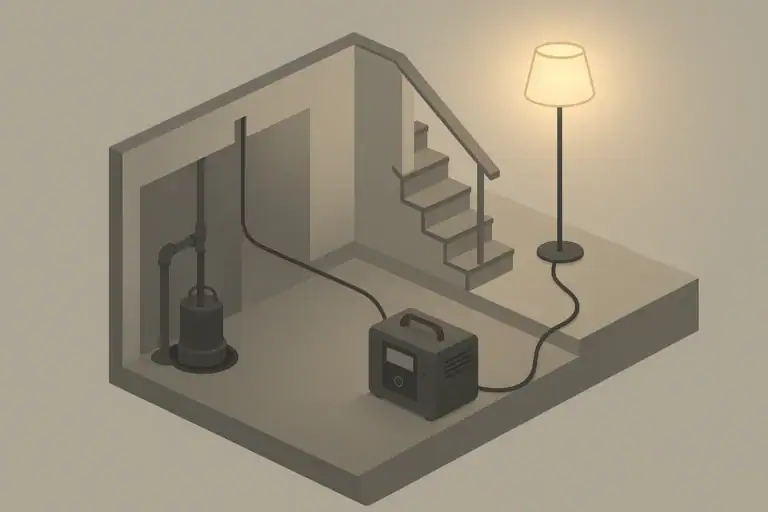
Sump Pump Backup Options: Planning for Basement Flood Risk
Water and Power: What Stops Working in Most Homes During Outages
Can You Run a Microwave, Kettle, or Space Heater on Backup Power? Reality Check