Batteries are a simple way to keep lights, phones, and small devices running during short power outages and seasonal storms. In most homes, they sit quietly in drawers, closets, and emergency kits for months or years. How you store them affects both safety and how much power they have left when you actually need them.
This article focuses on three major factors that shape battery safety and performance at home:
- Heat: how high temperatures affect battery life and risk
- Moisture: what humidity and water exposure can do
- Shelf life: how long different battery types stay usable in storage
The guidance here is designed for everyday households in the United States, including apartments, small homes, families with kids and pets, and people preparing for realistic events like thunderstorms, winter storms, or brief grid disruptions.
Why Battery Storage Safety Matters for Everyday Readiness
Batteries are a simple way to keep lights, phones, and small devices running during short power outages and seasonal storms. In most homes, they sit quietly in drawers, closets, and emergency kits for months or years. How you store them affects both safety and how much power they have left when you actually need them.
This article focuses on three major factors that shape battery safety and performance at home:
- Heat: how high temperatures affect battery life and risk
- Moisture: what humidity and water exposure can do
- Shelf life: how long different battery types stay usable in storage
The guidance here is designed for everyday households in the United States, including apartments, small homes, families with kids and pets, and people preparing for realistic events like thunderstorms, winter storms, or brief grid disruptions.
Basics of Household Battery Types and Risks
Different batteries behave differently in storage. Understanding which types you have is the first step to safer handling and better planning.
Common Household Battery Types
In a typical home, you may see several categories:
- Disposable alkaline batteries (AA, AAA, C, D, 9V): Often used for flashlights, remotes, and small radios. They are not meant to be recharged.
- Rechargeable nickel-metal hydride (NiMH) batteries: Frequently used in the same sizes as alkalines for repeated use in flashlights, toys, and devices that drain batteries faster.
- Rechargeable lithium-ion packs: Built into power banks, small backup power stations, and many electronics like cordless tools and some lanterns.
- Lithium primary (non-rechargeable) batteries: Sometimes used for long-life devices such as smoke alarms or specialty flashlights. They typically have longer shelf life than alkaline batteries.
- Lead-acid batteries: Found in some larger backup systems and in vehicles. These are heavier and require more care with ventilation and handling.
Key Safety Concerns to Keep in Mind
For home readiness, the main risks are usually manageable with common-sense steps:
- Leakage from long-stored or damaged disposables, which can corrode devices and irritate skin.
- Short circuits from loose batteries touching metal objects or each other in the wrong way.
- Overheating if batteries are exposed to high heat or stored near heat sources.
- Loss of capacity over time, leaving you with weak or dead batteries in an emergency.
Most of these issues are avoidable by storing batteries in a cool, dry place, protecting the terminals, and keeping them organized.
Example values for illustration.
| Task | Why it matters | Notes |
|---|---|---|
| Keep batteries in original or dedicated cases | Reduces risk of short circuits and damage | Use small containers with dividers where possible |
| Store in a cool, dry interior closet | Helps extend shelf life and reduce leakage risk | Avoid garages or attics with extreme temperatures |
| Label emergency-use batteries with purchase date | Makes rotation and replacement easier | Simple marker on the package is usually enough |
| Keep loose 9V terminals covered | Prevents accidental short circuits with metal | Use terminal covers or store in original package |
| Separate new and used rechargeable batteries | Ensures you grab charged ones in an outage | Use two labeled containers or bags |
| Check emergency kits once or twice a year | Catches leaks, swelling, or dead batteries | Tie to seasonal tasks like changing clocks |
Heat: How Temperature Affects Battery Safety and Life
Heat is one of the biggest enemies of battery health. Many households store batteries in garages, vehicles, or near appliances that get warm. Over time, this can shorten shelf life and, in extreme cases, contribute to swelling or leakage.
Everyday Temperature Ranges at Home
Batteries generally perform best when stored at moderate indoor temperatures. Wide temperature swings, especially in uninsulated spaces, are hard on them. This matters for preparedness because people often keep emergency supplies in spots that feel “out of the way,” such as:
- Unconditioned garages
- Attics
- Sheds
- Vehicles parked outdoors
These areas can become quite hot in summer or during heatwaves, and quite cold in winter, depending on your region.
What High Heat Can Do to Different Battery Types
The higher the storage temperature and the longer the exposure, the more impact on shelf life and safety:
- Disposable alkaline batteries: High heat tends to speed up chemical reactions that lead to self-discharge and leakage. A battery stored for years in a hot garage is more likely to be weak or leaking when you finally grab it.
- Rechargeable NiMH batteries: Elevated temperatures can cause them to lose capacity faster over their lifetime, meaning fewer effective recharge cycles.
- Lithium-ion packs: That small power bank or backup power station left in a hot car can lose long-term capacity more quickly, and severe overheating can increase the risk of failure.
- Lead-acid batteries: Often used for larger backup systems, they also age faster in heat and may require more frequent maintenance.
For practical home readiness, it is usually better to trade a little convenience for better conditions. For example, a hallway closet that stays near room temperature is typically a safer storage spot than a sun-exposed garage shelf.
Simple Ways to Reduce Heat Stress on Batteries
You do not need special equipment to protect batteries from heat. Consider these simple steps:
- Choose an interior location away from exterior walls exposed to direct sun.
- Keep batteries away from heaters, radiators, ovens, and hot water pipes.
- Avoid leaving battery-powered devices or battery boxes in parked cars for long periods, especially in summer.
- Do not cover or insulate batteries in a way that traps heat from charging or use.
For backup power stations or large battery packs, allow some space for air around them and follow the manufacturer’s ventilation advice.
Moisture: Humidity, Leaks, and Corrosion
While heat is a major factor in aging batteries, moisture can create its own set of problems. Even without direct water contact, high humidity can encourage corrosion on battery terminals and in storage containers.
How Moisture Affects Stored Batteries
Moisture issues can show up in several ways:
- Corroded terminals: White or greenish buildup on the ends of batteries or inside devices, which can interfere with electrical contact.
- Case rust or discoloration: More of an issue in damp basements or near plumbing and exterior doors.
- Condensation: Moving batteries from cold areas to warm, humid air can cause moisture to form on surfaces.
In homes near coasts, in very humid climates, or in basements, this can be more common.
Choosing Dry Storage Locations
For moisture control, aim for areas that stay dry and not too humid most of the year:
- Interior closets away from bathrooms or kitchens
- High shelves rather than directly on basement floors
- Sealed plastic containers or boxes with snug lids
If a basement is the only practical option, consider sturdy containers with lids and keep them off the floor. In very humid spaces, simple moisture absorbers placed nearby (not inside airtight battery cases) can help keep the area drier.
Handling Batteries After Water Exposure
Storms, plumbing leaks, or flooding can wet stored batteries or battery-powered devices. If this happens:
- Do not try to use visibly damaged or heavily corroded batteries. Dispose of them according to local household guidelines.
- For lightly splashed but intact batteries, dry the outside gently with a cloth.
- Do not attempt to open sealed battery cases to dry the interior.
- If a device shows corrosion inside the battery compartment, remove the batteries and clean the compartment carefully following the device manual or local recommendations.
After any flooding event, it can be safer to replace affected emergency batteries instead of relying on them during a later outage.
Shelf Life: How Long Batteries Stay Ready
Shelf life is how long a battery can sit unused and still deliver most of its expected power. Real-world shelf life depends on type, age, temperature, and how it was treated before storage.
General Shelf Life Patterns by Type
Exact numbers vary, but some general patterns can help with planning:
- Disposable alkaline batteries: Often retain much of their charge for several years when stored cool and dry. Older ones are more likely to leak.
- Lithium primary batteries: Typically designed for longer shelf life than alkalines, which can make them useful for smoke alarms or rarely used emergency lights.
- Standard NiMH rechargeables: Can self-discharge significantly over months if not advertised as low self-discharge, so they may need topping up before outages.
- Low self-discharge NiMH: Usually hold a larger portion of their charge for a year or more but still benefit from periodic checks.
- Lithium-ion packs and power banks: Gradually lose capacity over the years, even if unused. They generally prefer being stored partly charged rather than completely full or empty.
For preparedness, the goal is to balance cost, convenience, and reliability. It often makes sense to mix disposable alkalines for grab-and-go use with a small number of rechargeable systems that you keep maintained.
Labeling and Rotating Batteries
labeling and rotation habits can prevent surprises in a blackout:
- Date the package: Write the purchase month and year on bulk packs of disposable batteries.
- First in, first out: Use older batteries for everyday devices and keep the newer ones for emergency kits.
- Check seasonally: Once or twice a year, test a sample flashlight or radio using your stored batteries. Replace any weak sets.
- Track rechargeable cycles: If you have a few main rechargeable packs or power banks, note roughly how old they are and consider replacement when performance drops.
For families, it can help to combine battery checks with other seasonal routines, such as changing smoke alarm batteries or reviewing storm plans.
Apartment vs House: Where to Store Batteries Safely
Living space, climate, and household layout affect how you store batteries. What works for a detached house with a garage may not suit a small apartment or senior housing.
Battery Storage in Apartments and Small Spaces
In apartments, especially without basements or garages, you may have fewer storage options but more stable indoor temperatures. Some ideas:
- Use a single dedicated bin or box for all emergency batteries and small power banks.
- Place it in an interior closet or under a bed, away from heat sources and bathroom humidity.
- Store flashlights, headlamps, and a small radio near the same spot so you can grab everything quickly during an outage.
- If you have pets or small children, keep the battery bin out of reach or in a latched container.
Because apartments are often easier to keep at moderate temperatures year-round, batteries may age more slowly than in unconditioned spaces, as long as humidity is reasonable.
Battery Storage in Houses with Garages and Basements
In houses, it is tempting to keep emergency supplies in the garage or basement. For batteries, a bit more thought is needed:
- Garages: Often experience very hot and cold swings. If you must store batteries there, use insulated interior cabinets or bring key emergency batteries indoors for summer and winter.
- Basements: Usually cooler but sometimes more humid. Use sealed containers on shelves, not directly on the floor, and check periodically for moisture issues.
- Interior hall closets or bedrooms: Often the best long-term battery storage spots in a house, especially if air conditioned or heated.
If you have larger backup batteries or small power stations, store them where they will stay dry and within normal indoor temperature ranges, with enough space for airflow during charging or use.
Safe Handling, Organization, and Disposal
Once you have picked safe locations, it helps to organize and handle batteries in ways that reduce risk and confusion, especially during stressful moments like storms or power cuts.
Organizing Batteries for Emergencies
A small amount of organization can keep outages calm rather than chaotic:
- Use labeled containers or pouches for different sizes (AA, AAA, 9V, etc.).
- Keep a separate section or bag for batteries reserved for emergency use only.
- Store devices with batteries installed (like a primary flashlight) alongside a spare set in the same container.
- If possible, choose household devices that mostly use one or two common battery sizes, so you do not need to stock many different types.
For families with children, consider keeping one flashlight or lantern easily accessible for older kids, but store extra batteries out of reach.
Safe Handling Tips Day to Day
Even outside emergencies, a few habits can prevent small incidents:
- Do not carry loose batteries in pockets or bags with coins or keys, which can cause short circuits.
- Store 9V batteries so that terminals are not exposed, using covers or the original package.
- Do not mix old and new batteries in a device; this can increase leakage and reduce performance.
- Avoid mixing different brands or types in the same device.
- If a battery is swollen, leaking, or very hot after use, keep it away from flammable materials and follow local advice for safe disposal.
Disposal and Recycling Considerations
When batteries reach the end of their usable life:
- Follow your local solid waste guidance for household batteries, which may differ by area.
- Many communities offer collection points or special days for rechargeable batteries and larger battery packs.
- Before disposal, tape or cover exposed terminals on larger or rechargeable batteries to reduce the risk of short circuits in transit.
For vehicle or large backup batteries, most areas have specific instructions or collection services; check local guidance rather than placing them in regular trash.
Integrating Batteries into a Simple Home Blackout Plan
Safe storage is only part of the picture; batteries also need to be matched to realistic uses during an outage, from lighting to basic communication.
Planning for Short Outages
In many regions, the most likely scenario is a brief outage lasting a few hours up to a day or two, caused by thunderstorms, winter weather, or local utility work. For this kind of event, focus on:
- Lighting: Flashlights, headlamps, and small lanterns powered by AA or AAA batteries.
- Communication: Keeping at least one phone charged, possibly supported by a small power bank.
- Information: A battery-powered or hand-operated radio.
For many homes, a modest supply of well-stored alkaline batteries plus one or two maintained rechargeable options is enough to cover these short disruptions.
Matching Lighting Devices to Battery Types
Choosing lighting devices that share battery types reduces the complexity of your storage plan. For a calm and practical setup, consider:
- One or two main household flashlights using common sizes.
- Headlamps for hands-free use if you expect to move around in the dark.
- A small area lantern for shared spaces or for families with children who prefer a steady light source.
Try to standardize on one or two battery sizes so you can stock and rotate more easily.
Example values for illustration.
| Lighting type | Battery type | Pros / cons | Storage tip |
|---|---|---|---|
| Basic household flashlight | AA alkaline or NiMH | Easy to find batteries, moderate runtime | Store one loaded flashlight plus spare set nearby |
| Compact headlamp | AAA alkaline or NiMH | Hands-free; smaller batteries drain faster | Keep with go-bag or near bed in a dry case |
| Family room lantern | AA or D alkaline | Good for area lighting; may use more batteries | Store lantern without batteries installed, pack nearby |
| Small rechargeable lantern | Built-in lithium-ion | Reusable; needs periodic charging | Top up charge every few months and store indoors |
| Portable work light | Tool-style lithium battery | Bright; battery packs can be shared with tools | Store packs at partial charge in a cool, dry place |
| Small emergency nightlight | Coin or AA battery | Low output; good as backup guide light | Check batteries once or twice per year for leaks |
Calm, Long-Term Habits for Safer Battery Storage
Battery storage safety does not require complicated systems or large budgets. A few calm, consistent habits can make a real difference when the lights go out:
- Choose cool, dry indoor spots for storage instead of hot or damp spaces.
- Use simple containers to keep sizes separate and terminals protected.
- Label and rotate emergency batteries, checking them during seasonal home tasks.
- Match devices to a few common battery types to simplify stocking and rotation.
With these basics in place, your household is more likely to have safe, ready-to-use batteries available for the everyday power interruptions and seasonal weather events that are most likely to occur.
Frequently asked questions
How hot is too hot to store household batteries?
Store most household batteries near normal indoor temperatures (about 15–25°C / 59–77°F). Prolonged storage above roughly 30–40°C (86–104°F) accelerates self-discharge, capacity loss, and the risk of leakage or failure. Avoid keeping emergency batteries in hot garages, attics, or parked cars for extended periods.
Can I store different battery types together in one box?
Avoid mixing different chemistries and loose terminals in the same container; keep disposables separate from rechargeables and keep lithium packs apart from alkaline or NiMH cells. Use original packaging, labeled bins, or terminal covers to prevent accidental short circuits. Separating types also reduces the chance of installing the wrong chemistry in a device.
How often should I check or rotate batteries in my emergency kit?
Inspect and test stored emergency batteries once or twice a year and write the purchase date on bulk packs to enable first-in, first-out rotation. Replace any batteries that show leakage, swelling, or low output. Rechargeable packs should be exercised or topped up every few months according to manufacturer guidance.
Are batteries safe to use after being exposed to flood or heavy water?
Do not use batteries that are visibly damaged, corroded, or soaked; dispose of them following local disposal rules. For lightly splashed but intact batteries, dry the exterior thoroughly and test them before relying on them in an emergency. Never open sealed battery cases to dry internal components.
What charge level is best for storing lithium-ion power banks?
Store lithium-ion power banks and packs at about 30–50% charge in a cool, dry place and check them every 6–12 months. Avoid long-term storage fully charged or fully depleted, since both states accelerate capacity loss. For larger battery systems, follow the manufacturer’s storage recommendations.
Recommended next:
- Blackout Plan (Apartment / House): Step-by-Step Checklist for the First 24 Hours
- Blackout Plan for Apartments: What to Do When the Power Goes Out
- Blackout Plan for Houses: What to Do When the Power Goes Out
- Backup Power Basics: Watts vs Watt-Hours and Why It Matters
- How to Estimate Runtime for Your Devices (Without Guessing)
- Load Priorities: What to Power First in an Outage
- More in Blackouts & Backup Power →
- Simple checklists and realistic planning
- Water, power, lighting, and pantry basics
- Family plans (kids, pets, seniors) and seasonal prep

Backup Power Costs Explained: One-Time Gear vs Ongoing Fuel and Batteries
Backup Power Maintenance: Monthly Checks and Seasonal Prep

Lighting Strategy for Outages: Zone Your Home for Safety and Comfort
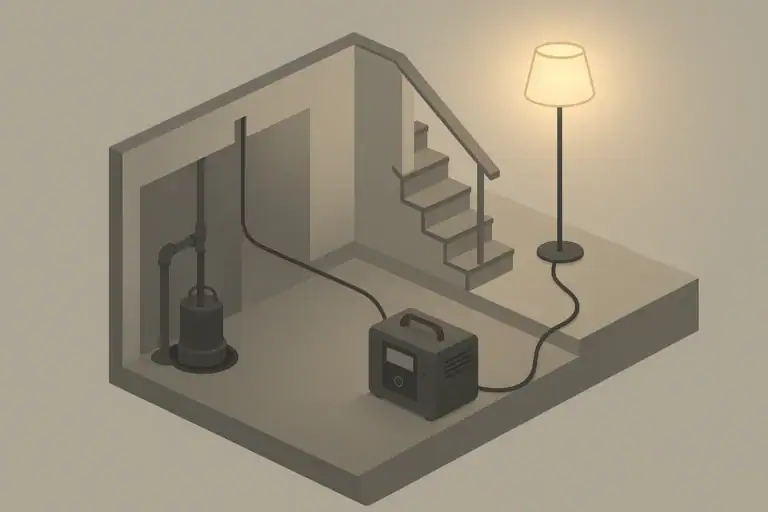
Sump Pump Backup Options: Planning for Basement Flood Risk
Water and Power: What Stops Working in Most Homes During Outages
Can You Run a Microwave, Kettle, or Space Heater on Backup Power? Reality Check