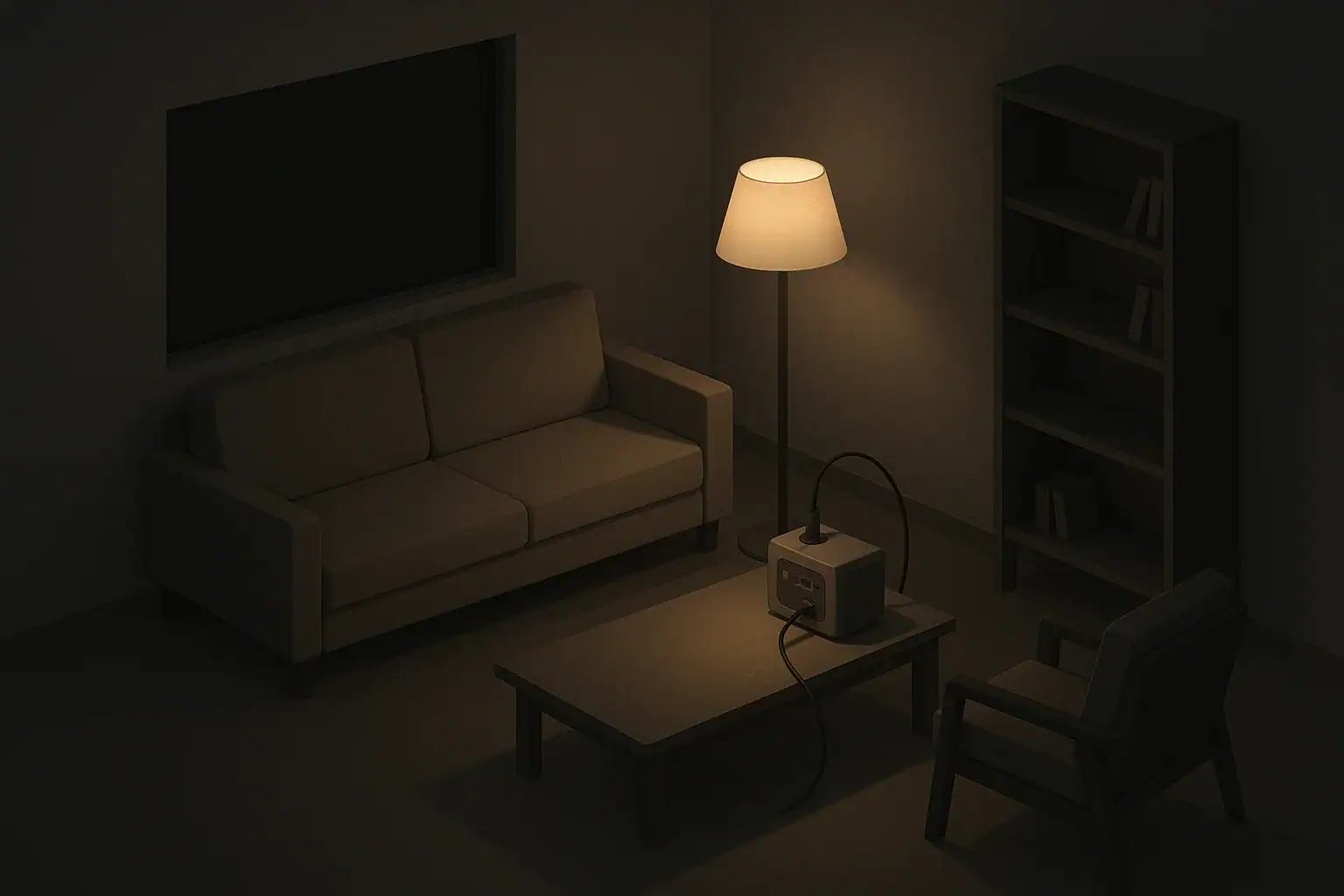
Why Backup Power Maintenance Matters
Backup power is most useful when it works the first time you need it. Whether you rely on a portable generator, a small battery power station, or a vehicle and inverter, basic maintenance keeps your equipment safe, predictable, and ready for common outages.
This guide focuses on simple monthly checks and seasonal prep that fit into regular home life. The goal is calm readiness, not elaborate systems: a few short tasks, done regularly, to keep your backup power reliable in apartments, houses, and small spaces.
Even if you only own a flashlight and a battery pack, the same idea applies: know what you have, check it briefly, and store it in a safe, easy-to-find spot.
Know Your Backup Power Setup
Before you can maintain anything, it helps to list what you actually have. Different backup power options need different care and safety steps.
Common Types of Home Backup Power
Most households fall into one or more of these categories:
- Portable fuel generator – runs on gasoline, propane, or diesel; kept outdoors when operating.
- Battery power station – rechargeable unit with AC outlets and USB ports.
- Vehicle plus inverter – car or truck used as a backup power source via a small inverter.
- Uninterruptible power supply (UPS) – battery backup for a computer or modem/router.
- Basic devices only – flashlights, lanterns, small battery packs for phones.
Map Out What You Intend to Power
Next, decide what you realistically want to keep running during a typical outage. For most homes this is a short list:
- Phone charging and basic communication devices
- One or two lights
- Internet modem/router if service is still available
- Small fan in hot weather, or a small space heater only if safe and appropriate
- Medical or mobility equipment if you use it (ask your provider for device-specific guidance)
Write this list down and store it with your backup power equipment. It will guide your monthly checks and seasonal planning.
Example values for illustration.
| Equipment type | Monthly task | Why it matters | Notes |
|---|---|---|---|
| Portable fuel generator | Visual inspection and short test run | Prevents surprises when power fails | Operate outside in open air only |
| Battery power station | Check charge level and recharge if needed | Maintains usable capacity | Aim to keep between about half and full charge |
| Vehicle plus inverter | Test inverter with small device | Confirms wiring and outlets work | Never run vehicle in enclosed spaces |
| UPS for electronics | Use test button if available | Helps catch aging batteries early | Keep ventilation openings clear |
| Flashlights and lanterns | Click on briefly and inspect batteries | Ensures light is available instantly | Replace leaking or corroded batteries |
| Extension cords and power strips | Check for damage and test outlets | Reduces fire and shock risks | Retire cords with cracks or fraying |
Monthly Backup Power Checks
A brief monthly routine keeps your setup from drifting into the unknown. Most households can complete these checks in 15–30 minutes.
1. Visual Inspection
Once a month, locate all your backup power items and look them over:
- Cords and plugs: Check for cracks, fraying, loose prongs, or melted spots.
- Outlets and power strips: Look for discoloration, heat marks, or wobbling parts.
- Generator body: Look for leaks, loose bolts, rust on fuel tank or frame.
- Battery packs and power stations: Check for swelling, cracks, or unusual smells.
- Flashlights and lanterns: Open the battery compartment and check for corrosion.
Anything that looks damaged, swollen, or charred should be taken out of use and evaluated by a professional or recycled according to local rules.
2. Test Function and Run Time
Next, confirm that your gear actually turns on and powers what you expect.
- Battery units and packs: Plug in a small device (like a lamp or fan) for a short test.
- UPS devices: Use a built-in test button if available and confirm connected devices stay on briefly.
- Flashlights and lanterns: Turn them on for 10–20 seconds to confirm brightness.
Note how long devices run during a short test. You do not need to fully drain them every month; the goal is to confirm basic function and get a feel for performance changes over time.
3. Check Charge Levels
Rechargeable equipment slowly loses charge in storage. Once a month:
- Check the charge indicator on battery stations and packs.
- Recharge to the manufacturer’s suggested level, often near full.
- If you rely on solar panels, plug them in on a sunny day and confirm they charge the unit.
Keeping stored batteries somewhere between roughly half and full charge is a common recommendation for many devices. This is a general guideline; follow the manual for your specific equipment if it differs.
4. Fuel and Stabilizer (For Generators)
If you use a fuel generator:
- Check fuel level and the condition of stored fuel containers.
- Inspect for leaks, fuel odors, or cracked hoses.
- Confirm you are storing fuel only in approved containers, away from living areas and ignition sources.
Many people also use fuel stabilizers and rotate stored fuel at intervals. Follow fuel container instructions and local safety guidelines.
5. Short Test Run (Generators)
A brief test run once a month can help keep the engine parts moving and reveal issues early.
- Move the generator outdoors to an open, well-ventilated area away from doors, windows, and vents.
- Start it according to the manual and let it run under a light load for a short time.
- Listen for unusual sounds, and watch for warning lights or smoke.
Never run a generator in a garage, shed, or indoors. Exhaust can build up quickly even with doors open.
Seasonal Prep: Matching Maintenance to Weather Risks
Beyond monthly checks, seasonal prep helps you adjust for common weather patterns where you live: winter storms, summer heatwaves, or coastal hurricane seasons. It is useful to review your setup at least four times a year.
Spring: After Winter Outages
Use spring to reset after any winter weather stress:
- Inspect cords and devices used during winter for wear, ice damage, or water exposure.
- Top up fuel supplies safely if you used them heavily.
- Clean generator air intakes and exterior of salt, dirt, or debris.
- Review your outage experience: Were there devices you wished you could power? Add them to your plan.
Summer: Heatwaves and Storms
Summer often brings heat-related outages and strong thunderstorms.
- Plan for cooling: Test a small fan on your backup system so you know how long it can run.
- Shade battery units: Store batteries and electronics out of direct sunlight and away from hot windows.
- Generator ventilation: Confirm your planned outdoor running spot is not blocked by seasonal plants or furniture.
- Storm protection: Store equipment where minor leaks or wind-driven rain will not reach it.
Fall: Before Winter Storms
Fall is a good time to get ahead of winter outages, especially in colder regions.
- Cold starting: Test your generator or vehicle-based system on a chilly day to see how it behaves.
- Extension cord routes: Plan safe cord paths that will not create trip hazards in darker winter evenings.
- Lighting: Confirm you have enough lanterns and flashlights for longer nights.
- Space heaters: If you use electric heaters during outages, check that your wiring and outlets can handle the load and follow all safety instructions.
Regional Considerations
Adjust your seasonal prep for local risks:
- Hurricane-prone areas: Keep backup power and cords stored higher than potential minor flooding areas.
- Wildfire smoke: If you use air-cleaning devices, test how long they can run on your backup system.
- Frequent ice storms: Expect multi-day outages and plan for lower daily power use.
Safe Storage for Small Spaces and Rentals
Many people live in apartments or rentals with limited storage and rules about fuel or generators. Even in small spaces, you can organize backup power safely and neatly.
Apartment-Friendly Storage Ideas
- Use a single bin for all backup power cords, adapters, and small devices, clearly labeled.
- Store heavier battery units low to prevent falls and make them easier to lift.
- Keep fuel off-site if required and allowed (for example, a dedicated storage unit), following fire safety rules.
- Choose equipment that suits your space, such as battery power stations instead of fuel generators where outdoor operation is not practical.
Protecting Equipment From Temperature and Moisture
Moderate conditions help batteries, electronics, and fuel last longer:
- Avoid very hot or cold attics for storing battery units.
- Keep items off bare basement floors using shelves or pallets to reduce moisture exposure.
- Seal small accessories in resealable bags inside your main bin to keep dust and humidity away.
Planning for Families, Kids, and Pets
Backup power maintenance also includes how people in your home will interact with the equipment, especially children, older adults, and pets.
Kid-Safe and Pet-Safe Setup
- Store fuel and generators out of reach and never in living areas.
- Use cord covers or tape-down paths so children and pets do not trip on extension cords.
- Keep small batteries secured in closed containers to avoid accidental swallowing.
- Explain simple rules to older kids, such as not touching outlets, switches, or generator controls without an adult.
Assign Simple Roles
Even in a small household, it helps to decide who does what during an outage:
- One person handles generator or battery setup.
- Another person gathers lights and checks that everyone has a flashlight.
- Someone else contacts family or neighbors if needed.
Practice this briefly once or twice a year so it feels routine instead of stressful.
Sample Blackout Runtime Planning
Backup power is limited, so maintenance includes planning how you will use it. You do not need exact calculations; rough estimates help you prioritize what to plug in first.
Think in terms of “essential devices” and “nice-to-have devices.” Essential devices might be a phone, one lamp, and an internet modem. Nice-to-have devices might include a fan, laptop, or entertainment equipment. Your runtime depends on the size of your battery, inverter, or generator and the power needs of each device.
Think in terms of “essential devices” and “nice-to-have devices.” Essential devices might be a phone, one lamp, and an internet modem. Nice-to-have devices might include a fan, laptop, or entertainment equipment. Your runtime depends on the size of your battery, inverter, or generator and the power needs of each device.
Example values for illustration.
| Device type | Illustrative power range (watts) | Planning notes |
|---|---|---|
| LED lamp | 5–15 | Low draw; good for long-term lighting |
| Phone charger | 5–20 | Charge in short sessions, then unplug |
| Wi‑Fi modem/router | 10–30 | Decide if you need it on continuously |
| Small box fan | 30–70 | Cycle on and off to save energy |
| Laptop computer | 30–90 | Lower screen brightness to extend runtime |
| Small space heater | 500–1500 | High draw; only use where wiring and device are rated and safe |
| Refrigerator (cycling) | Variable | Often run intermittently to reduce fuel or battery use |
Keeping Backup Power Maintenance Simple and Sustainable
The most effective backup power plan is the one you can maintain without much effort. A short monthly check, plus seasonal adjustments for your local weather, is usually enough to keep small home systems ready for everyday outages.
By knowing what you own, testing it regularly, storing it safely, and planning how you will use it during an outage, you turn backup power from a source of uncertainty into a familiar tool that fits calmly into normal home life.
Frequently asked questions
How often should I run my portable generator as part of backup power maintenance?
Run a short test under light load about once a month to keep engine parts moving and spot problems early. Always operate the generator outdoors in a well‑ventilated area away from doors, windows, and vents during tests.
What charge level should I store battery power stations at?
Many manufacturers recommend storing lithium battery units between about half and full charge to slow capacity loss, but follow your specific manual if it differs. Check and top up charge monthly, especially before seasonal high‑risk periods.
Is it safe to store fuel for generators at home?
Store fuel only in approved containers, in a cool, ventilated area away from living spaces and ignition sources, and follow local regulations. Consider rotating fuel and using stabilizers according to manufacturer guidance to reduce degradation.
How can I test a vehicle plus inverter safely?
Test the inverter with a small device while the vehicle is parked outdoors with adequate ventilation; avoid running a vehicle in enclosed spaces. Verify connections and monitor for overheating or odd smells during short tests.
What should I do if I find a damaged cord or swollen battery during a monthly check?
Retire damaged cords and replace or recycle swollen or cracked batteries according to local hazardous waste rules; do not continue using compromised items. If in doubt about equipment safety, have it inspected by a qualified technician.
Recommended next:
- Blackout Plan (Apartment / House): Step-by-Step Checklist for the First 24 Hours
- Blackout Plan for Apartments: What to Do When the Power Goes Out
- Blackout Plan for Houses: What to Do When the Power Goes Out
- Backup Power Basics: Watts vs Watt-Hours and Why It Matters
- How to Estimate Runtime for Your Devices (Without Guessing)
- Load Priorities: What to Power First in an Outage
- More in Blackouts & Backup Power →
- Simple checklists and realistic planning
- Water, power, lighting, and pantry basics
- Family plans (kids, pets, seniors) and seasonal prep
Backup Power Costs Explained: One-Time Gear vs Ongoing Fuel and Batteries
Lighting Strategy for Outages: Zone Your Home for Safety and Comfort
Sump Pump Backup Options: Planning for Basement Flood Risk
Water and Power: What Stops Working in Most Homes During Outages
Can You Run a Microwave, Kettle, or Space Heater on Backup Power? Reality Check
How to Reduce Power Use: Small Changes That Extend Runtime