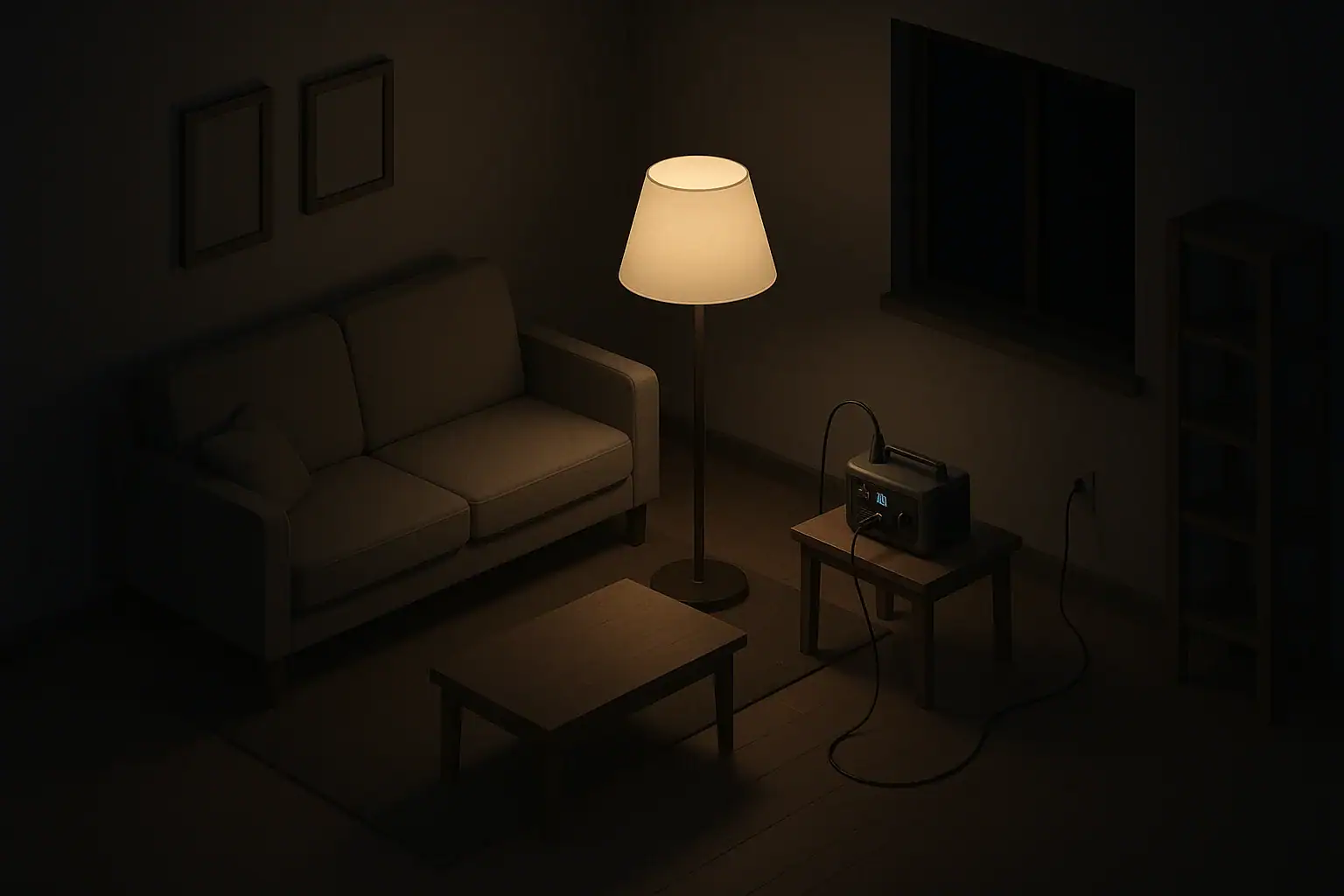
Why Extension Cords and Power Strips Matter During Outages
During a power outage, extension cords and power strips often become the temporary backbone of your home power setup. They connect backup power sources to essential devices, help you reach safer outlets, and let multiple people share limited power. Used incorrectly, though, they can overheat, damage equipment, or create tripping and fire hazards.
This guide focuses on practical, calm, everyday use of extension cords and power strips in U.S. homes and apartments. It covers short-term outages from storms, heatwaves, or grid disruptions, especially when you are using:
- Portable generators
- Small power stations or battery packs
- Inverter outlets in vehicles
- Limited household outlets that still have power
The goal is simple: keep power organized, avoid overloads, and reduce risk while you ride out the outage.
Basic Safety Rules for Cords and Power Strips
Most extension cord and power strip safety comes down to a few key habits. These apply whether you live in a small apartment or a large house.
Match the Cord to the Job
Not all cords are the same. Use the right type for your situation:
- Indoor vs. outdoor: Use outdoor-rated cords only outside or through open windows/doors to outdoor generators. Indoor cords are not designed for moisture or rough surfaces.
- Heavy-duty vs. light-duty: Heavier cords (often thicker and shorter) can safely carry more current. These are better for appliances like refrigerators or space heaters.
- Length matters: Longer cords have more resistance and can overheat if overloaded. Use the shortest cord that safely reaches.
Avoid Overloading
Every cord and power strip has a maximum current or wattage rating. Exceeding it can cause overheating, melting, or even fire. A simple planning approach:
- Identify the highest-wattage device on the strip (for example, a space heater).
- Limit what else you plug into that same strip while that device runs.
- Avoid running multiple high-draw appliances on the same cord or strip.
As a rule of thumb for short outages, try to run only one large appliance plus a few small devices (like chargers or lamps) per cord or strip, and keep an eye on warmth at the strip body and plug.
Never Daisy-Chain Strips or Cords
“Daisy-chaining” means plugging one power strip into another, or linking multiple extension cords end-to-end. During outages, this often happens when everyone is crowding around a single powered outlet.
- Do not plug a power strip into another strip.
- Do not link multiple extension cords unless you have no alternative, and then only for low-wattage devices and as a short-term workaround.
- Never run high-draw appliances (like heaters) through chained cords.
Keep Cords Visible and Uncovered
During an outage, lighting is limited and tripping hazards increase.
- Do not run cords under rugs, carpets, or bedding. This can cause overheating and hidden damage.
- Route cords along walls when possible, not across walkways.
- Use visible tape or a non-adhesive cover to help people see cords in dim light.
Check for Damage Before Use
Before you rely on any cord or strip in a blackout:
- Look for cracked, brittle, or soft insulation.
- Check for exposed wires or loose plugs.
- Discard and replace anything that feels hot during normal use or shows signs of damage.
Example values for illustration.
| If you need to… | Then consider… | Why it matters |
|---|---|---|
| Run a fridge from a generator outside | One heavy-duty outdoor cord directly from generator to fridge | Reduces voltage drop and overheating risk |
| Power several small devices in one room | A power strip with built-in overload protection | Helps prevent accidental overloads |
| Use a space heater briefly | Plug heater directly into wall or main power source | High draw loads are safer without extension cords |
| Reach from hallway outlet into a bedroom | Single, medium-length indoor-rated cord | Limits cord length and tripping hazards |
| Share limited power station outlets | Short power strip with only low-watt devices | Prevents overloading the inverter or strip |
| Power outdoor tools after a storm | Outdoor-rated cord sized for tool draw | Handles weather and higher starting currents |
Using Extension Cords With Generators Safely
Many households rely on portable generators during longer outages. Extension cords often become the bridge between an outdoor generator and indoor appliances. Used thoughtfully, they can make generator use much safer and more flexible.
Always Keep Generators Outdoors
Generators belong outside, far from windows, doors, and vents. Extension cords let you keep the generator at a safer distance while still powering key devices indoors.
- Place the generator in a well-ventilated outdoor area, on stable ground.
- Run outdoor-rated cords through a door, window, or purpose-made opening.
- Seal around the opening as best you can with towels or weatherstripping to limit drafts and pests.
Plan Dedicated Cords for Big Loads
High-draw appliances each deserve their own cord when running off a generator. Examples include:
- Refrigerators and freezers
- Sump pumps
- Portable air conditioners
- Space heaters (if safe and necessary)
Plug each major item directly into the generator or into a single heavy-duty cord connected to the generator. Avoid running these through a shared power strip with many other devices.
Balance Loads on Generator Outlets
If your generator has multiple outlet pairs, spread the load:
- Assign one outlet to cold storage (fridge/freezer).
- Use a different outlet for smaller household devices via a power strip.
- Stagger start-up times so high-draw appliances do not start at the exact same moment.
This helps avoid overloads and sudden shutoffs, and may allow your generator to run more smoothly during an outage.
Route and Protect Outdoor Cords
Storm debris, standing water, and foot traffic can all damage cords or increase risk.
- Keep cords off standing water and away from puddles.
- Avoid pinching cords in windows or doors; close gently and check for crushing.
- Use visible paths for cords and mark them with outdoor-safe tape if people will walk nearby.
Power Strips, Surge Protection, and Backup Power
During outages, power strips are often used with small battery power stations, inverters, or the few household outlets that still work. Understanding what a power strip does—and does not do—helps you use them more safely.
What Power Strips Actually Do
Most basic power strips:
- Provide multiple outlets from one plug.
- Include a simple on/off switch.
- Have a built-in breaker or overload reset.
Some also include limited surge protection, which helps smooth sudden spikes when power returns, but does not guarantee full protection from all electrical events.
When Surge Protection Helps
Surge-protecting strips can be helpful for:
- Computers and tablets
- Internet modems and routers
- Televisions and streaming devices
During outages, these strips are particularly useful when power flickers on and off, or when you are using small inverters. They are not a substitute for unplugging sensitive equipment if you are concerned about unstable power.
Using Strips With Power Stations and Inverters
Power stations and vehicle inverters often have limited wattage. To use them safely with a power strip:
- List what you plan to plug into the strip from that one source.
- Favor low-wattage items: phones, small LED lamps, a laptop, a fan on low.
- Avoid plugging in heating devices such as toasters or space heaters unless you are certain of the limits and have no safer alternative.
Think of the power strip as a way to organize small loads, not as a way to stretch the limits of your backup power source.
Do Not Rely Only on the Strip’s Switch
Power strip switches are handy, but they do not disconnect the device from all risk. In storms or when power lines are being repaired:
- Unplug nonessential electronics if you are worried about surges.
- Use the strip switch for everyday on/off, but treat unplugging as your highest level of protection.
Safe Use in Small Spaces: Apartments, Kids, and Pets
Many people ride out outages in apartments, shared housing, or homes with young children or pets. Extension cords and power strips can take over walkways and living areas quickly, so it helps to plan how you will lay them out ahead of time.
Minimize Trip Hazards
During blackouts, tripping is one of the most common cord-related problems.
- Choose one or two “powered zones” where most devices will be plugged in, instead of scattering cords through the whole home.
- Run cords along walls and behind furniture, not diagonally across rooms.
- Use low-profile cord covers or painter’s tape on the floor in high-traffic areas if needed.
Protect Children and Pets From Cords
Children and pets may pull, chew, or play with cords, especially when routines are disrupted during power outages.
- Bundle extra cord length so it does not form loops or tangles on the floor.
- Use furniture to block access to high-traffic cord areas when possible.
- Unplug and store cords that are not currently needed.
Plan “Quiet Charging Stations”
In small spaces, it can help to designate a single area where phones, battery packs, and small electronics get charged when power is available.
- Use one power strip for shared charging.
- Label charging cables in advance so family members know which is theirs.
- Keep this area off the floor—on a counter or sturdy table—to reduce spills and damage.
Practical Load Planning: What to Plug In First
Because backup power is limited, it is useful to think about priorities before the lights go out. This can guide where you place cords and strips, and what you plug into them.
Prioritize Essential Loads
In most households, the first priorities during an outage are:
- Keeping food safe (refrigerator or freezer, opened as rarely as possible)
- Maintaining safe temperatures, as your local conditions require (fans, small heater used carefully, or medical equipment if applicable)
- Basic lighting to move around safely
- Charging communication devices
Plan extension cord runs from your generator or power station based on these priorities first, and only then add entertainment devices or other conveniences.
Rotate Devices to Stretch Limited Power
You do not have to run everything at once. With cords and strips set up in a way that is easy to reach:
- Charge phones and batteries during generator runs or when power returns briefly, then unplug.
- Run the refrigerator on a schedule recommended by your local guidance or appliance instructions, then power down for intervals to save fuel.
- Use fans or small devices in short bursts rather than continuously if power is tight.
Watch for Warning Signs
Check cords and power strips regularly during an outage, especially when loads are high or rooms are warm:
- Unplug immediately if you notice unusual warmth, a burning smell, or discoloration near plugs.
- Listen for buzzing or crackling sounds at outlets or strips.
- Give cords time to cool before reusing if they feel warmer than usual.
Example values for illustration.
| Lighting type | Battery type (common examples) | Pros and cons in outages | Simple storage tip |
|---|---|---|---|
| Small LED flashlight | AA or AAA rechargeable or disposable | Easy to share; low power draw but easy to misplace | Store near each bedroom and main exit |
| LED lantern | AA, D cells, or built-in rechargeable pack | Good room lighting; may use more power than a flashlight | Keep with extra batteries in a single marked bin |
| Headlamp | AAA cells or small rechargeable pack | Hands-free; great for cooking or walking stairs | Hang on a hook near the entry or toolkit |
| Clip-on reading light | Small rechargeable cell | Very low draw; good for kids’ rooms and quiet time | Charge whenever you test your outage kit |
| Portable area light | Built-in rechargeable pack | Bright, good for shared spaces; dependent on charging | Top off charge before storm seasons |
| Emergency night-light | Built-in rechargeable backup | Turns on automatically; limited runtime | Test monthly and keep pathways clear |
Simple Pre-Outage Checklist for Cords and Strips
A few quiet minutes before storm season or rolling outage periods can make your eventual blackout much easier to manage. Consider the following:
- Inspect: Check all extension cords and power strips for wear, damage, or loose parts.
- Sort: Separate indoor and outdoor cords; bundle them neatly with labels if helpful.
- Assign: Decide which cord will serve which appliance during an outage (for example, one labeled for the fridge, one for a fan).
- Stage: Store your most-used cords and a reliable power strip in an easy-to-reach spot, not at the back of a closet.
- Practice: Walk through how you would safely route a cord from an outdoor generator or vehicle to your kitchen or living area.
These simple steps help keep your home calm and organized when the lights go out, and allow your extension cords and power strips to do their job safely.
Authoritative sources
Safety recommendations can change. Confirm critical details with current official guidance and local authorities.
- CDC: Carbon Monoxide Poisoning Basics
- USDA FSIS: Keep Food Safe During Emergencies
- U.S. CPSC: Battery Safety
Frequently asked questions
Can I run my refrigerator on an extension cord from a portable generator?
Yes, but use a single heavy-duty, outdoor-rated extension cord sized to the fridge’s starting current and run it directly from the generator if possible. Avoid routing the refrigerator through a power strip and ensure the cord’s amp rating meets or exceeds the appliance draw; keep the cord connection dry and protected.
Is it safe to use a power strip with a small power station or vehicle inverter?
You can use a power strip to organize low-wattage devices like phones and a laptop, but first check the power station or inverter’s wattage limit and the strip’s rating. Do not plug high-draw appliances into the strip, and avoid daisy-chaining strips or cords to prevent overloads.
How do I tell if an extension cord or power strip is overloaded during an outage?
Common signs of overload include unusual warmth at the plug or strip, a burning smell, buzzing sounds, or discoloration around connections. If you notice any of these signs, unplug devices immediately and redistribute loads to other circuits or reduce the number of running appliances.
Can I run an outdoor-rated cord through a window or door to feed indoor outlets?
Yes—outdoor-rated cords are designed for that use—but avoid pinching the cord in the frame, seal gaps against drafts, and keep the cord elevated away from standing water. Where possible, use a purpose-made inlet or a properly sealed opening to reduce wear and maintain safety.
What are practical steps to keep cords safe around children and pets during a blackout?
Bundle excess cord length, route cords along walls or behind furniture, and keep charging stations off the floor to reduce access. Unplug and store unused cords, and use cord covers or barriers to prevent chewing, pulling, and tripping.
- Simple checklists and realistic planning
- Water, power, lighting, and pantry basics
- Family plans (kids, pets, seniors) and seasonal prep
Affiliate disclosure
As an Amazon Associate, we earn from qualifying purchases. Some links on this site may be affiliate links. If you buy through these links, we may earn a small commission at no extra cost to you. This helps support our content. Learn more.