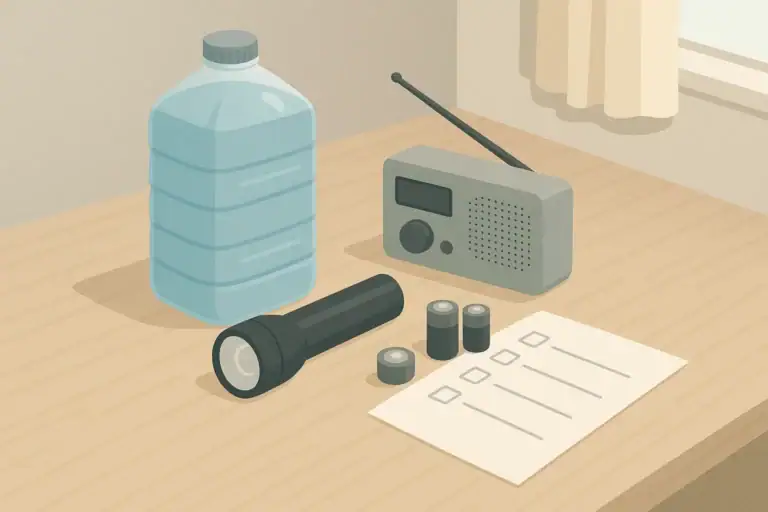
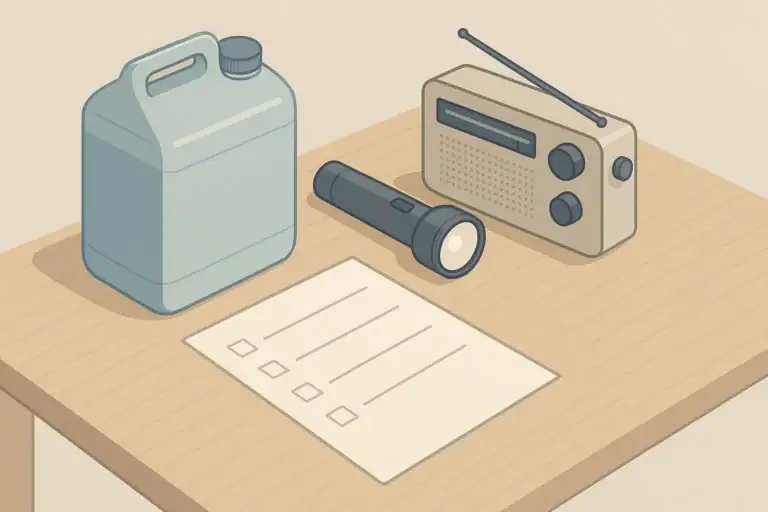
Why Plan in Steps: 72 Hours, 7 Days, and 14 Days
Short-term emergencies in the United States are usually measured in days, not months. Power can go out for a weekend. Roads can close for a few days after a winter storm. A boil-water advisory may last a week. Planning in steps helps you prepare for these realistic situations without feeling overwhelmed. A simple way to build readiness is to grow your supplies in three stages:- 72-hour kit: Core essentials for the first three days
- 7-day plan: Expanded supplies to comfortably stay home for a week
- 14-day plan: Added depth for slower recoveries or repeated outages
Stage One: Building a 72-Hour Kit
The 72-hour kit covers the first three days of a disruption. Focus on essentials you would miss immediately if the power went out or tap water was unavailable.72-Hour Water Basics
For a short event, your goal is simple: have safe drinking water on hand. Common guidance suggests planning several liters per person per day, but you can adjust based on space and local risk.- Store factory-sealed water bottles or jugs in a cool, dark place.
- Aim for enough drinking water for everyone (including pets).
- Add a small backup like water treatment tablets or a compact filter if space allows.
72-Hour Food Basics
Think about food you will actually eat that does not require long cooking or a full kitchen.- Ready-to-eat items: canned soups, beans, vegetables, fish, fruit, nut butter, crackers.
- Simple no-cook options: granola bars, nuts, shelf-stable milk or alternatives, instant oats you can soak.
- Manual can opener and basic utensils.
72-Hour Lighting and Power
In a short power outage, you mainly need safe light and a way to keep phones usable.- Flashlights and/or a small lantern with spare batteries.
- A simple battery bank to recharge a phone.
- Consider one light per person or per room you use most.
72-Hour Communication and Information
Staying informed and reaching family matters as much as supplies.- Fully charged cell phones and a charging cable with your kit.
- A small battery-powered or hand-crank radio to hear local updates.
- Printed contact list: family, neighbors, work, school, property manager.
72-Hour Hygiene and Comfort
Short emergencies can still be stressful. A few basics make a big difference.- Hand sanitizer and wet wipes for quick cleaning.
- A roll of toilet paper and small trash bags.
- Basic personal items: toothbrush, travel-size soap, any essential personal care.
- Seasonal clothing layer: warm socks, hat, or light blanket depending on climate.
72-Hour Go-Bag vs Stay-at-Home Kit
Your 72-hour supplies can be:- Go-bag (evacuation-focused): Packed in a backpack or duffel, ready if you must leave quickly.
- Stay-at-home kit: Stored in a bin or on a shelf, aimed at riding out issues at home.
| If this sounds like you… | Start with at least… | Why this level helps |
|---|---|---|
| Live in an apartment with limited storage | 72-hour kit | Covers typical short outages without taking much space |
| Frequent brief power losses or water advisories | 7-day plan | Reduces need for last-minute store trips for a full week |
| Rely on medical devices that use power (check with your provider) | 7-day plan plus power backup ideas | Creates more options during extended interruptions |
| Live in an area with severe winter storms or hurricanes | 14-day plan | Helps bridge slower utility and road restoration times |
| Have young kids or multiple pets | 7-day plan minimum | Extra margin for specific food, diapers, or pet needs |
| Support older family members at home | 7-day or 14-day plan | More time to adapt if services are delayed |
Stage Two: Expanding to a 7-Day Plan
Once a 72-hour kit is in place, the next step is a 7-day home plan. This is especially useful for winter storms, regional power outages, or short-term supply disruptions.7-Day Water Planning
For a week, water management becomes more important, especially for households with children, pets, or hot climates.- Increase stored water to cover drinking and limited cooking for seven days.
- Add at least one way to make questionable water safer, such as:
- Boiling on a safe stove or grill used outdoors.
- Simple chemical treatment tablets (following package directions).
- A small gravity or pump filter sized for household use.
- Use labeled containers if you fill water yourself, and refresh them regularly.
7-Day Food Planning
A 7-day plan is largely about extending your normal pantry and simplifying meals.- Plan simple meals with a few ingredients: rice or pasta with canned beans or vegetables, shelf-stable sauces, or instant grains.
- Add no-cook backups in case you cannot safely use a stove: canned meals, ready-to-eat pouches, nut butters, crackers, dried fruit.
- Include comfort items: tea, coffee alternatives, shelf-stable snacks you enjoy.
- Account for dietary needs: allergies, baby formula, texture preferences for kids or seniors.
7-Day Power and Lighting
For a week, you may not be able to keep everything running, but you can plan to keep a few key items powered.- Increase the number of flashlights and lanterns so each bedroom and main room has one.
- Add extra sets of batteries or rechargeable options and a way to recharge them when power returns.
- Consider a small, safe backup power source to recharge phones or run a low-wattage device for a short time.
- If using generators, follow local safety guidelines, especially for outdoor placement and ventilation.
7-Day Communication and Family Plans
Longer disruptions highlight the need for simple, written plans.- Agree on a primary and backup out-of-town contact for check-ins.
- Choose a local meeting point if phones are unreliable.
- For kids: keep a short, simple list of important numbers in backpacks.
- For renters: know how to reach property management and building maintenance.
7-Day Hygiene, Sanitation, and Home Comfort
With more days, small inconveniences can add up. A few low-cost additions can maintain comfort and cleanliness.- Extra trash bags, paper towels, and cleaning wipes.
- Backup toilet supplies adapted to your plumbing and local guidance.
- Laundry alternatives: a small hand-washing setup and clothesline or drying rack.
- Seasonal comfort: extra blankets for winter, light bedding and battery-powered fans for summer.
Space-Saving Tips for 7-Day Plans
In apartments or small homes, storage is the main challenge. Consider:- Using under-bed storage bins for water, food, and spare batteries.
- Storing rarely used items (holiday decorations, luggage) behind readiness supplies so you see and rotate them.
- Selecting stackable containers for water and food where safe and practical.
Stage Three: Deepening to a 14-Day Plan
A 14-day plan offers a buffer for regional disasters, major storms, or slow repair timelines. You may not aim for full comfort, but you can reduce stress and avoid scrambling for essentials.14-Day Water Strategy
At this level, you are thinking about both stored water and ways to supplement it.- Store as much safe water as reasonably fits your space, prioritizing drinking and necessary cooking.
- Use a mix of formats: smaller bottles for portability and larger containers where floors can handle the weight.
- Plan how you would collect and treat additional water if needed, such as from building systems or local distribution points.
- Mark a calendar reminder to refresh stored water at least once or twice a year if you fill containers yourself.
14-Day Food Strategy
Two weeks of food does not need to be complicated or expensive.- Build on your 7-day pantry with more shelf-stable basics: grains, beans, canned vegetables and proteins, soups, and broths.
- Favor items you already eat so rotation into everyday meals is easy.
- Include some no-cook options for the full period in case cooking is limited.
- Consider simple one-pot meals that work on a small camp stove or grill used outdoors.
14-Day Power, Heating, and Cooling Considerations
Comfort and safety during extended outages vary by region and season.- List critical devices you would like to keep powered: phones, small fans, a router, or medical-related equipment where guidance allows.
- Estimate how long your current power banks or backup supplies last in daily use and plan to recharge when utility power returns, even briefly.
- In cold climates: gather extra blankets, warm clothing layers, and safe, non-open-flame ways to stay warm.
- In hot climates: battery-powered fans, light clothing, and strategies to keep one room cooler if possible.
14-Day Household Routines
With two weeks in mind, routines help keep a household calm and organized.- Set simple schedules for meals, device charging, and checking news.
- Rotate entertainment options: books, games, and activities that do not rely on power.
- Plan check-ins with neighbors, especially older adults or those with mobility challenges.
Planning for Families, Kids, and Pets
Different household members have different needs. As you scale up to 14 days, consider:- Babies and toddlers: diapers, wipes, formula or specific foods, comfort items, and spare clothing.
- School-age kids: simple activities, familiar snacks, and a role in helping (such as checking flashlight batteries).
- Teens and adults: books, hobbies that do not need power, and shared responsibilities.
- Pets: food, water, leashes, carriers, waste bags or litter, and any medications.
How to Grow from 72 Hours to 14 Days Without Overbuying
Scaling from 72 hours to two weeks does not have to be expensive or sudden. A staged approach helps you avoid waste and adapt to your actual habits.Step 1: Make a Simple Inventory
Before buying more, check what you already have.- Water on hand (bottles, jugs, containers).
- Pantry foods that do not require refrigeration.
- Existing flashlights, batteries, power banks, radios.
- Cleaning, hygiene, and paper supplies.
Step 2: Add Slowly, Focusing on Gaps
Use everyday shopping trips to fill clear gaps rather than buying everything at once.- For water: add one extra jug or multipack and store it.
- For food: buy two of shelf-stable items you already eat and set one aside.
- For lighting: add a flashlight or lantern when purchasing household batteries.
Step 3: Plan Storage and Rotation
Good storage and rotation keep supplies usable and can save money.- Keep items away from extreme heat or direct sunlight if possible.
- Place newer items behind older ones on the shelf to use older items first.
- Mark a consistent month each year for a quick kit review.
Step 4: Practice Small Drills
Short practice runs help you discover what really matters.- Try an evening with lights off using only your backup lighting.
- Cook a full meal using only shelf-stable items and your planned backup cooking method.
- Time how long your power bank runs a phone with normal use.
| Food type | Storage tip | Rotation interval idea | No-cook use |
|---|---|---|---|
| Canned beans | Store in a cool, dry cabinet | Use within about 1–2 years as an example | Rinse and eat with spices or crackers |
| Canned vegetables | Keep off damp floors on a shelf | Rotate into meals every few months | Drain and mix into cold salads |
| Canned fish or poultry | Group by type and date for easy use | Use regularly and restock on sale | Combine with crackers or bread |
| Nut butters | Close lids tightly after each use | Rotate every few months as a snack | Spread on crackers or fruit |
| Dry grains (rice, oats) | Store in sealed containers | Refill containers a few times per year | Overnight soaking for some oats |
| Snack bars | Keep in a visible basket or bin | Rotate monthly as grab-and-go snacks | Ready to eat anytime |
Keeping a Calm, Realistic Mindset
Home readiness does not need to be extreme or all-or-nothing. A well-planned 72-hour kit already puts you ahead of many households. Expanding to a 7-day and then a 14-day plan adds comfort and flexibility, especially during longer storms, heatwaves, or infrastructure repairs. By building gradually, using what you already buy, and tailoring to your space and family, you create a practical safety net that fits everyday life, not just rare emergencies.Frequently asked questions
How much water should I store for a 72-hour kit vs a 7-day or 14-day plan?
A common guideline is about 1 gallon (about 3.8 liters) per person per day for drinking and minimal cooking or hygiene. For a 72-hour kit, plan roughly 3 gallons per person; for a 7-day plan, about 7 gallons per person; and for a 14-day plan, about 14 gallons per person. Increase amounts for hot climates, infants, nursing mothers, or pets as needed.Can I rely on my normal pantry to build a 7-day or 14-day plan, or do I need specialized emergency food?
You can mostly rely on your normal pantry by setting aside extra shelf-stable items you already eat and rotating them into regular meals. Include a mix of ready-to-eat and simple-to-prepare items, plus no-cook backups in case cooking is limited. Be sure to account for dietary restrictions, baby formula, or medical dietary needs.What should go in a 72-hour go-bag versus a stay-at-home kit?
A go-bag prioritizes portability and immediate needs: compact water, a few days of food, a phone charger, essential medications, important documents, and basic first aid packed in an easy-to-carry pack. A stay-at-home kit can include larger water containers, more bulk food, and household supplies you would not carry if evacuating. Many people combine a core go-bag with extra stored supplies at home for flexibility.How often should I rotate and check my readiness supplies when growing from 72 hours to 14 days?
Check items like water, food dates, batteries, and medications at least once or twice a year; many people choose a consistent month for a review. Rotate food into regular use so older items are consumed before their best-by dates, and replace batteries or perishable items as needed. Keeping a simple inventory list helps track quantities and expiration dates.Do I need a generator or large battery system for a 14-day plan?
Most households do not need a full generator for a two-week plan, but small, safe backup power options are useful for charging phones and running low-wattage devices. If someone depends on powered medical equipment, consult a healthcare provider and consider professional guidance on reliable backup power and safe installation. Always follow safety guidelines for fuel storage and ventilation when using generators.Recommended next:
- Start Here: A Calm Home Emergency Readiness Plan
- Emergency Plan Checklist: A Simple One-Page List for Home Readiness
- Emergency Readiness Calculators: Water, Power, and Pantry Planning
- 72-Hour Kit: What to Pack, Where to Store It, and How to Maintain It
- Apartment vs House Readiness: The Key Differences in Your Plan
- The 30-Minute Home Readiness Audit: What to Check Today
- More in Start Here →
About
ReadyHomePlan
ReadyHomePlan publishes practical home readiness guides for outages and short-term emergencies—power, water, food basics, communication, and family planning—without hype.
- Simple checklists and realistic planning
- Water, power, lighting, and pantry basics
- Family plans (kids, pets, seniors) and seasonal prep
How to Practice Your Plan: Simple Drills You Can Do in 15 Minutes
How to Create a Two-Week Home Readiness Plan Without Overbuying
Emergency Preparedness for Small Spaces: Storage Ideas That Work
Readiness for Renters: No-Drill, Low-Cost Upgrades That Matter
Shelter-in-Place vs Evacuation: How to Decide Quickly
Emergency Documents: What to Copy, Print, and Store Safely
Keep reading