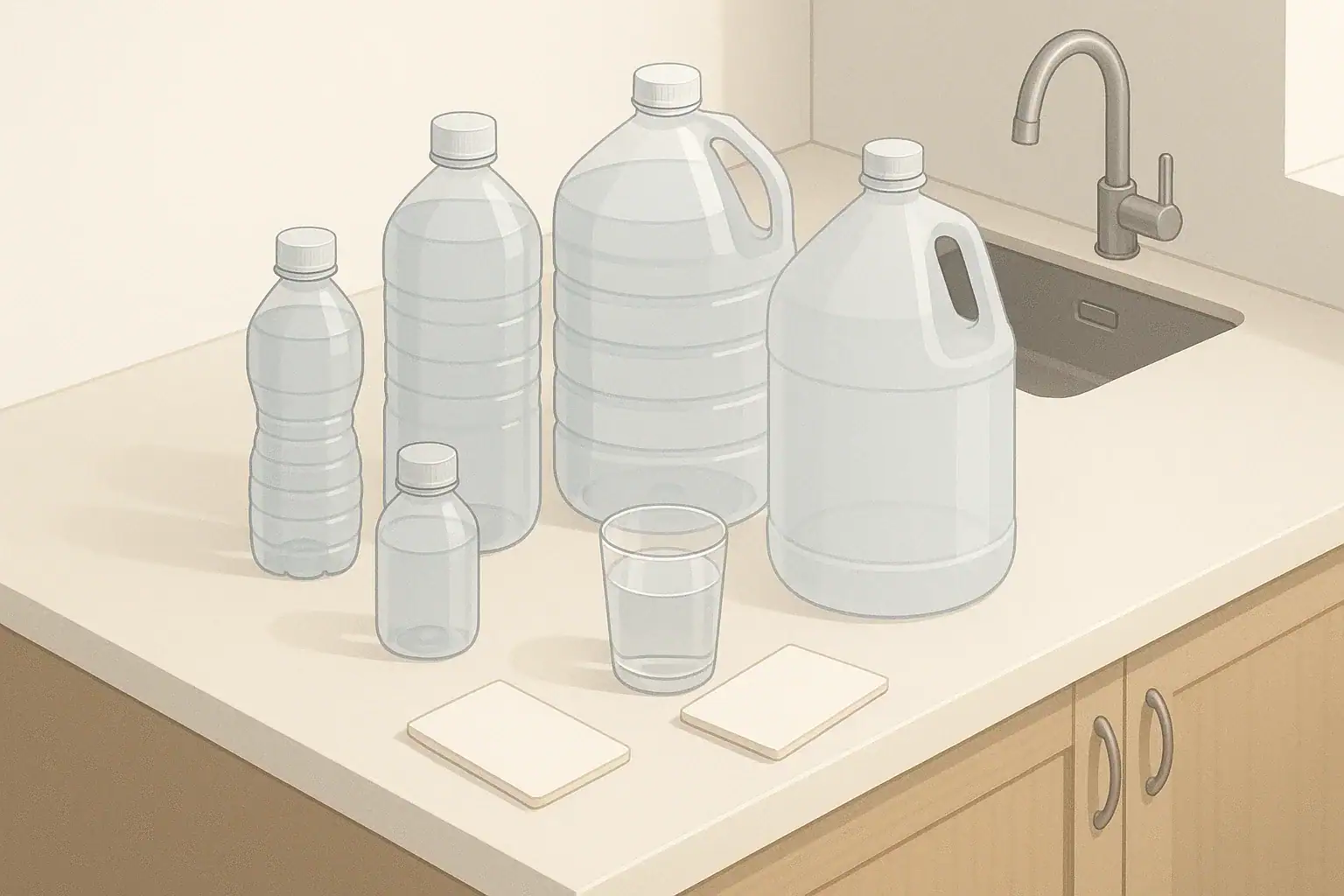
A short-term water disruption can happen for many ordinary reasons: a water main break, a short boil-water notice, a severe storm, or repair work in your building. Most last hours to a few days, not weeks.
Having a simple 3-day water rationing plan helps you stay comfortable, reduce stress, and avoid waste. It is less about stocking huge quantities and more about knowing:
- How much water you actually need for three days
- What to prioritize if supplies are limited
- How to stretch and protect what you already have
- How to adapt for kids, pets, and seniors
This guide focuses on calm, practical steps for everyday homes in the United States, including apartments and small spaces.
For a short disruption, it helps to think of water in three categories: drinking, food and medicine, and basic hygiene and sanitation. Your goal is to cover essentials first, then comfort.
Why Plan for a 3-Day Water Disruption
A short-term water disruption can happen for many ordinary reasons: a water main break, a short boil-water notice, a severe storm, or repair work in your building. Most last hours to a few days, not weeks.
Having a simple 3-day water rationing plan helps you stay comfortable, reduce stress, and avoid waste. It is less about stocking huge quantities and more about knowing:
- How much water you actually need for three days
- What to prioritize if supplies are limited
- How to stretch and protect what you already have
- How to adapt for kids, pets, and seniors
This guide focuses on calm, practical steps for everyday homes in the United States, including apartments and small spaces.
How Much Water You Really Need for 3 Days
Basic planning amounts per person
Many preparedness guidelines suggest aiming for at least 1 gallon per person per day as a general planning target. For three days, that is about 3 gallons per person. This is an overall planning number and can be adjusted based on your situation.
For a 3-day disruption, a simple way to think about it per adult might be:
- Drinking: roughly half a gallon per day
- Food and medicine: about a quarter gallon per day
- Minimal hygiene: the remaining quarter gallon per day
These are example planning numbers only. Your actual needs may be higher in hot weather, during heavy physical activity, or for certain medical conditions. When in doubt, prioritize drinking water.
Adjusting for children, pets, and special needs
- Young children: usually drink less than adults, but may need more frequent small amounts. Plan for a similar total per child as an easy safety margin.
- Pets: dogs and cats need clean water too. A simple example planning number is about a half gallon per day for a medium-sized dog and less for smaller animals.
- Seniors and medically fragile people: may need extra water for medications, comfort, or medical devices that require cleaning.
If storage space is tight, prioritize having a solid 3-day supply for everyone in the home, and then build up gradually when you can.
Example values for illustration.
| Task | Why it matters | Notes |
|---|---|---|
| Estimate people and pets | Sets your 3-day planning target | Include frequent visitors or caregivers |
| Set a per-day water goal | Prevents under- or over-using stored water | Use simple round numbers you can track |
| Separate drinking-only containers | Reduces risk of contamination | Label or store in a dedicated spot |
| Plan for pet water | Keeps animals hydrated and calmer | Use a small jug or bottle just for pets |
| Identify a hygiene water source | Helps stretch safe drinking supplies | Consider bathtub, bucket, or utility sink |
| Note treatment options | Gives flexibility if tap water is unsafe | Simple filters or boiling when power allows |
Storing Water for a Short Disruption
You do not need a large storage system to be ready for a 3-day event. A mix of everyday containers and a few dedicated storage options can be enough, even in a small apartment.
Practical storage options for small spaces
- Reusable jugs and bottles: Fill food-safe containers with tap water and store in cool, dark places like closets or under beds.
- Stackable containers: Use shapes that fit your space, such as narrow jugs behind a couch or along a closet floor.
- Bathtub or sink storage: If you have advance notice of a disruption, fill a clean bathtub or large sink for non-drinking uses like flushing or basic washing.
- Repurposed bottles: Clean, food-grade beverage bottles can be rinsed well and filled with tap water for short-term storage.
Aim to store water in several smaller containers rather than one very large one. This makes it easier to move, share, and avoid losing everything if one container leaks or becomes contaminated.
Labeling and rotating stored water
For short-term, home-stored tap water:
- Label containers: Mark the date you filled them and note “drinking” or “hygiene.”
- Rotate periodically: A common approach is to refresh stored tap water every few months as a routine household task.
- Store safely: Keep containers sealed, away from direct sunlight, chemicals, and sharp objects.
If you use sealed, commercially bottled water, follow the date guidance on the packaging and store it in a cool, dry place.
Building a 3-Day Water Rationing Plan
A rationing plan is simply a schedule for how you will use water during the disruption. The goal is to avoid both overuse in the first day and unnecessary discomfort later.
Step 1: Count what you have
As soon as you realize there is a disruption, quickly assess your available water:
- Stored tap water in containers
- Commercially bottled water
- Water remaining in the pipes (such as what is already in the toilet tank or water heater) if appropriate and safe for non-drinking use
- Water you can still safely collect or treat (such as tap water that only needs boiling)
Write down a simple total in gallons or liters, rounded to easy numbers. This makes it easier to plan per person per day.
Step 2: Set daily water budgets
Divide your total supply by the number of people and the expected duration. For a 3-day disruption, you might set a simple daily water budget like:
- Example: 3 people with 9 gallons stored → about 3 gallons per day
- Assign about half to drinking, a quarter to food and medicine, and a quarter to hygiene
These are example values for illustration. Adjust based on your actual supply and needs, always protecting drinking water first.
Step 3: Prioritize by use category
In a short disruption, you can stay reasonably comfortable while still stretching your supply. A simple priority order is:
- Drinking water: non-negotiable, especially for children, seniors, and medically fragile people.
- Water for food and medicine: rehydrating simple foods, mixing infant formula as directed, and swallowing pills.
- Essential hygiene: hand cleaning before eating or handling food, quick face and body wipes, tooth brushing.
- Minimal sanitation: toilet flushing when needed, with reduced flush frequency.
If your supply is tighter than planned, reduce or skip lower-priority uses early, rather than risking a shortage of drinking water later.
Rationing Strategies for Different Home Types
Your living situation affects how you store and use water during an outage. You can adapt the same basic plan to an apartment, small home, or larger house.
Small apartments and studios
Space is limited, so focus on efficient storage and clear priorities.
- Store several medium containers under the bed, couch, or along closet floors.
- Use stackable bins or crates to keep water off the floor and easy to move.
- Keep a small, dedicated drinking-water stash that nobody uses for cooking or cleaning unless you decide to.
- If you have notice of a disruption, fill the bathtub or a large plastic bin for toilet flushing and basic washing.
Rental homes and shared housing
In shared spaces, rationing works best when everyone understands the plan.
- Agree on a daily target per person and write it on a shared note.
- Assign one spot in the kitchen or hallway for drinking water containers.
- Place separate containers near the bathroom for handwashing and toilet flushing.
- Coordinate cooking to limit extra water use, such as choosing one-pot or no-cook meals.
Single-family homes
With more space, you may be able to store extra water and separate uses clearly.
- Use a mix of large and small containers so you do not have to move heavy loads.
- Consider designating a bathroom as the main hygiene station with a stored water bucket and cup for handwashing.
- Use outdoor hose bib water for non-drinking tasks if the water is still flowing and considered safe for that purpose in your area.
- Track usage on a simple chart to avoid accidental overuse by different family members.
Daily Water Use Schedule for 3 Days
A rough schedule can make rationing automatic and less stressful. Adjust the times to fit your household routine.
Morning
- Small drink of water for each person after waking.
- Quick hand and face rinse with a cup or small basin, or use wipes when possible.
- Water for breakfast and morning medications, measured with a small cup.
Midday
- Steady drinking water throughout the day in modest portions.
- Water used for lunch food preparation, such as rehydrating simple foods.
- Minimal hand cleaning before snacks and meals.
Evening
- Water for dinner cooking and dish rinsing, with a focus on using as few dishes as possible.
- Final small drink of water for each person.
- Tooth brushing with a small cup of water rather than running a tap.
At the end of each day, quickly check your remaining supply. If you are using water faster than planned, adjust the next day’s hygiene or dishwashing use before touching drinking water reserves.
Hygiene and Sanitation with Limited Water
Good hygiene matters during water disruptions, but it can be done with very small amounts of water when needed.
Hand and body cleaning
- Use a small basin or bowl instead of running water.
- Wash hands with a small amount of water and soap, then pour a small cup to rinse.
- Use disposable wipes or damp cloths for quick body cleaning, especially for children or bedbound family members.
Reserve your cleanest water for hand cleaning before food preparation and eating.
Toilet flushing and alternatives
Toilets use a lot of water. With limited supply, you can:
- Adopt a “flush only when truly needed” approach.
- Use stored non-drinking water (such as bathtub water) to flush by pouring it into the bowl.
- Keep a bucket or large container in the bathroom for this purpose.
Follow local guidance for any temporary alternatives if sewer or septic systems are affected. Keep bathrooms ventilated when possible and use trash bags and lids to contain odors from solid waste if directed by local authorities.
Safe Water Handling and Simple Treatment
During some disruptions, water may still be running but under a boil-water notice or similar advisory. Basic treatment options can give you flexibility without requiring specialized equipment.
Boiling water
If you have power or a safe cooking setup:
- Bring clear water to a rolling boil for a short period as recommended by local guidance.
- Let it cool, then store it in clean, covered containers.
- Use boiled water mainly for drinking, food preparation, and brushing teeth.
Be cautious about open flames or hot surfaces if you are already dealing with other disruptions like power outages or crowded living spaces. When following boil guidance, a rolling boil is the common instruction from public-health sources.
Simple filtration and disinfection
General-purpose home water filters and basic disinfection methods can be helpful, especially for taste and clarity, or as one layer of protection when used according to directions.
- Use home filters as directed, and maintain them regularly.
- Follow product instructions carefully if using disinfection tablets or drops.
- When local officials issue safety guidance about water usage, follow that guidance first.
Adapting Your Plan for Weather and Seasons
Short water disruptions can feel very different in winter versus summer. Adjust your rationing plan to the weather and other conditions you are dealing with.
Hot weather and heatwaves
- Expect higher drinking-water needs due to heat and perspiration.
- Look for ways to stay cool without using water, such as shade, fans if power is available, and light clothing.
- Reduce physical activity during the hottest hours to help conserve both energy and water.
Cold weather and winter storms
- Water lines can freeze or pressure can drop; filling containers before a storm can be helpful.
- Store water in areas where it is less likely to freeze or where containers can tolerate some expansion.
- If you melt clean snow or ice, treat it as you would other untreated water before drinking.
Planning for Families, Kids, and Seniors
Shared understanding and small comforts make short disruptions much easier, especially for children and older adults.
Making rationing understandable for kids
- Use simple explanations like “We are using our special water bottles for three days.”
- Give each child a personal cup or bottle to help them feel secure.
- Build the plan into routine, such as scheduled water breaks.
Supporting seniors and caregivers
- Pre-fill pitchers or lightweight containers that are easy to lift.
- Keep frequently used water within arm’s reach where falls are less likely.
- Make a note of any extra water needs related to medications or hygiene assistance.
Example values for illustration.
| People and pets | Days | Storage approach | Rotation cue |
|---|---|---|---|
| 1 adult in studio | 3 | Several small bottles under bed | Refresh with each change of season |
| Couple in apartment | 3 | Stackable jugs in closet corner | Refill when doing deep cleaning |
| Family of four | 3 | Mix of large and small containers | Rotate during school breaks |
| Adult with small dog | 3 | Separate jug labeled for pet | Top off at monthly bill-paying time |
| Older adult with helper | 3 | Lightweight pitchers on low shelf | Replace at routine medical visits |
| Shared house group | 3 | Dedicated shelf for shared jugs | Rotate at the start of each semester |
Authoritative sources
Safety recommendations can change. Confirm critical details with current official guidance and local authorities.
- US EPA: Emergency Disinfection of Drinking Water
- USDA FSIS: Keep Food Safe During Emergencies
- CDC: Guidelines for Cleaning Safely After a Disaster
Frequently asked questions
How much water should I plan per person for a 3 day water rationing plan?
A common planning target is about 1 gallon per person per day, so roughly 3 gallons per person for three days. For short disruptions many people divide that into about half a gallon per day for drinking, a quarter gallon for food and medicine, and a quarter gallon for minimal hygiene.
What are practical container choices for storing water in a small apartment?
Use food-grade reusable jugs, sealed water bottles, or clean beverage containers placed in cool, dark spots like closets or under beds. Choose multiple medium-sized containers or stackable jugs so they are easy to move and rotate rather than relying on one very large container.
How can I flush toilets without wasting drinking water during a short outage?
Reserve drinking water and use stored non-drinking water (for example, water saved in the bathtub or a large bucket) to flush by pouring it directly into the toilet bowl. Adopt a “flush only when necessary” approach and keep a bathroom bucket dedicated to this purpose to avoid accidental use of your drinking supply.
Is boiled or filtered tap water safe to use during a boil-water advisory?
Boiling clear water to a rolling boil for the time recommended by local authorities kills pathogens and makes it safe for drinking and food preparation; let it cool before storing. Many household filters improve taste and clarity but check product guidance for removing bacteria or viruses, and follow local advisories first.
How should I adjust a 3 day water rationing plan for infants, pets, or seniors?
Infants may need extra safe water for formula as directed and should always get water prepared exactly per feeding instructions. Pets require daily water—plan roughly for a half gallon per day for a medium dog and less for smaller animals—while seniors or medically fragile people may need additional water for medications, device care, or increased comfort; prioritize accessible, lightweight containers for their use.
Keeping Your Plan Simple and Sustainable
A 3-day water rationing plan works best when it is easy to remember and fits your normal life. You do not need to prepare for every scenario at once. Start with:
- A realistic 3-day water goal for your household
- A few practical storage spots that do not get in the way
- A short written plan for how you will use water by priority
Review your plan once or twice a year, adjust for changes in your household, and refresh stored water as part of your normal home routines. Over time, water readiness becomes just another simple part of keeping your home comfortable and prepared.
- Simple checklists and realistic planning
- Water, power, lighting, and pantry basics
- Family plans (kids, pets, seniors) and seasonal prep
Affiliate disclosure
As an Amazon Associate, we earn from qualifying purchases. Some links on this site may be affiliate links. If you buy through these links, we may earn a small commission at no extra cost to you. This helps support our content. Learn more.