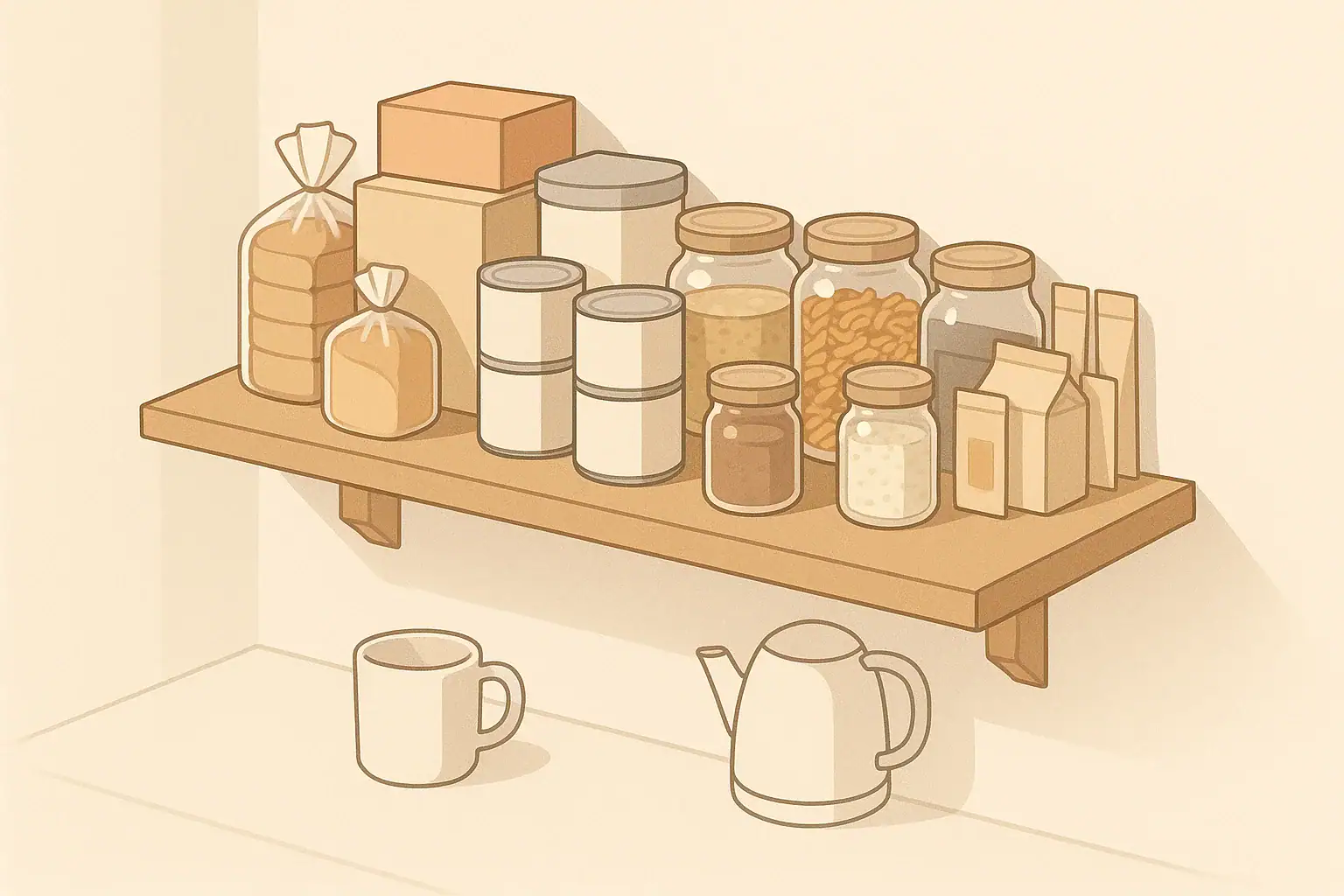
When people think about home preparedness, water, food, and flashlights usually come first. Comfort drinks rarely make the top of the list, but they can make a big difference in how manageable a short-term disruption feels.
Whether you are riding out a winter storm, a summer power outage, or a day-long water disruption, familiar drinks like coffee, tea, electrolytes, and warm broths can help you:
- Maintain routines, especially morning and bedtime rituals
- Encourage everyone to keep drinking safe fluids
- Warm up during cold-weather outages
- Offer mild variety when regular cooking is limited
This article focuses on simple, shelf-stable options that work for apartments and houses, renters and homeowners, and a wide range of household sizes in the United States.
Why Shelf-Stable Comfort Drinks Matter for Home Readiness
When people think about home preparedness, water, food, and flashlights usually come first. Comfort drinks rarely make the top of the list, but they can make a big difference in how manageable a short-term disruption feels.
Whether you are riding out a winter storm, a summer power outage, or a day-long water disruption, familiar drinks like coffee, tea, electrolytes, and warm broths can help you:
- Maintain routines, especially morning and bedtime rituals
- Encourage everyone to keep drinking safe fluids
- Warm up during cold-weather outages
- Offer mild variety when regular cooking is limited
This article focuses on simple, shelf-stable options that work for apartments and houses, renters and homeowners, and a wide range of household sizes in the United States.
Planning Basics: Water, Heat, and Storage Space
Before choosing specific comfort drinks, it helps to think about three core factors: water, heat, and space.
Water considerations
Most comfort drinks need water. For home readiness, many households plan around having safe water for several days. Any water you dedicate to drinks is water you are not using for cooking or basic hygiene, so plan with that in mind.
General points to consider:
- Store extra safe water specifically for hot drinks if they are important to you.
- Keep at least one option that works with cold or room-temperature water in case you cannot heat water.
- Have a basic way to make questionable water safer (such as boiling if you have heat, or other accepted household treatment methods).
Heat sources during outages
Many comfort drinks are better hot, but heat is not guaranteed during an outage. Think through what you already have:
- Gas stove that can be lit with a match (follow manufacturer and safety guidance)
- Outdoor camp stove for short, well-ventilated use outside only
- Electric kettle or hot plate that could run briefly on backup power, if available
- No-heat backup options such as instant drink mixes made with room-temperature water
Never use grills, outdoor stoves, or fuel-burning heaters indoors because of fire and carbon monoxide risks.
Space and simplicity
In small homes and apartments, every shelf matters. Focus on compact, multi-use items:
- Instant powders and concentrates instead of bulky bottles
- Packages that store safely at room temperature
- Short ingredient lists you recognize and are likely to use regularly
Example values for illustration.
| If this is true for your home… | Then prioritize… |
|---|---|
| Very limited storage space | Powdered mixes, instant coffee, compact tea bags |
| No reliable way to boil water | Electrolyte powders and drinks that mix with cool water |
| Winters are long and cold | Broths and herbal teas that are comforting warm |
| Hot summers and frequent heat advisories | Electrolyte options and diluted juice concentrates |
| Household includes kids | Mild flavors, low-caffeine drinks, and simple broths |
| Household includes older adults | Easy-to-digest broths and familiar teas or decaf options |
| Power outages are usually short (under a day) | Small stash of favorite coffee and tea, plus a few broths |
| Outages or disruptions can last several days | Larger mix of tea, instant coffee, broth, and electrolytes |
Coffee: Shelf-Stable Options and Simple Brewing
For many households, coffee is more than a drink; it is a morning routine. During an outage or disruption, being able to keep that habit can stabilize the day, especially for caregivers who need to stay alert.
Choosing coffee for preparedness
To keep coffee readiness simple and low-waste, consider:
- Whole beans or ground coffee: Store in airtight containers, away from heat and light.
- Instant coffee: Extremely compact, no equipment needed beyond hot water and a mug.
- Single-serve sticks or packets: Useful for go-bags and office kits.
Instant options are the most flexible when you have limited space or uncertain heating methods.
Low-tech brewing methods
When the power is out, electric coffee makers will not help unless you have backup power. Simple, manual methods are easier to rely on:
- Pour-over cones or drippers: Require a filter, a cup, and hot water.
- French press style brewers: Only need hot water and coarse coffee.
- Basic pot method: Simmer coffee grounds in water, then pour carefully to leave grounds behind.
Any method that only requires hot water and gravity is more outage-friendly than electric machines with pumps or built-in grinders.
Backup heat for coffee
Match your coffee plan to the heating methods you can safely use:
- If you have a gas stove that can be lit manually, a basic kettle is enough.
- If you rely on electricity, consider whether a small portion of your backup power is worth using briefly for boiling water.
- If you have an outdoor camp stove, reserve fuel for essentials first, then coffee as a morale booster when safe to do so outside.
Tea: Versatile Comfort for All Ages
Tea is lightweight, compact, and stores easily. Many households already keep tea on hand without thinking of it as part of preparedness, but it works extremely well in that role.
Types of shelf-stable tea
Common options include:
- Tea bags: Easiest for quick use and cleanup.
- Loose-leaf tea: Good if you already use it; needs an infuser or strainer.
- Instant tea powders: Can work with hot or cold water, though flavors may differ from brewed tea.
Tea bags are usually the simplest choice for home readiness, especially for kids and guests who may not be used to loose tea.
Tea for different household members
Because tea can be caffeinated or not, you can tailor it to your household:
- Mornings: Black or green tea for those who want a gentle boost.
- Evenings: Herbal or naturally caffeine-free blends help signal wind-down time.
- Kids: Mild herbal blends that can be served warm or cooled.
Flavor variety can be especially helpful when main meals are repetitive due to limited cooking options.
Serving tea without full kitchen access
If your kitchen is partly out of commission, you still have options:
- Heat water on any safe, non-electric stove you can use.
- Use insulated mugs or bottles to keep tea warm longer, which saves fuel by reducing how often you reheat water.
- Make a small thermos of stronger tea and dilute it through the day as needed.
Electrolyte Drinks: Hydration Support for Heat and Illness
Electrolyte drinks can be useful when your household faces hot weather, physical work during cleanup, or minor stomach upsets. They are not a replacement for medical care, but they can be one more tool for staying reasonably hydrated.
Why include electrolytes in your pantry
Short-term disruptions often bring:
- High indoor temperatures during summer outages
- Increased activity, such as moving belongings or clearing debris
- Stress and disrupted eating habits
Plain water should always be your base. Electrolyte drinks are a supplement you can use when sweating more than usual or when someone is having trouble keeping up with regular fluids and food.
Shelf-stable electrolyte options
Common pantry-friendly forms include:
- Powdered electrolyte mixes: Very compact; you mix with water as needed.
- Tablet-style mixes: Dissolve in water; easy to portion.
- Shelf-stable bottled drinks: Heavier and bulkier but require no mixing.
Powders and tablets are usually better for small spaces, go-bags, and car kits. Bottled options may fit better if you have more storage and want something ready to drink.
Practical tips for using electrolyte drinks
- Follow mixing directions so flavors stay acceptable and not overly strong.
- Offer sips over time rather than large servings all at once, especially for kids or anyone who feels unwell.
- Use room-temperature water if cold water is scarce during an outage.
- Rotate your stash by using packets during hot days or active outings and replacing them with new ones.
Warm Broths: Comfort in a Mug
Warm broth can feel like a meal and a drink at the same time, especially when cooking is limited. It is easy to sip, gentle on the stomach for many people, and can be handy for kids, older adults, and anyone under stress.
Types of shelf-stable broth
Useful forms include:
- Canned or boxed liquid broth: Ready to heat; can also be used for simple soups.
- Concentrated bases: Pastes or thick liquids that you dilute with water.
- Powdered bouillon-style options: Very compact, easy to store in bulk.
Powders and concentrates are ideal for small pantries. Liquid cartons or cans are simpler for people who prefer to open and heat with minimal measuring.
Using broth during outages
Broth works well when you have limited fuel or time:
- Heat a small saucepan of broth and serve in mugs for quick warmth.
- Add instant rice or noodles to turn broth into a simple meal.
- Use broth as the cooking liquid for shelf-stable grains to add flavor.
Because broth can be salty or rich, small portions can still feel satisfying. That can matter when pantry meals feel repetitive.
Storage and rotation
Broths are easy to work into regular cooking so your preparedness stash stays fresh:
- Store extra cans, cartons, or jars behind what you use weekly.
- When you make soups or grains, pull from the front and replace with new stock at the back.
- Check packaging for best-by dates a few times a year and plan meals that use items coming due.
Non-Dairy Creamers, Sweeteners, and Flavor Boosters
The small add-ins that personalize drinks are easy to overlook until they are gone. Including a few shelf-stable extras can make basic drinks feel more normal during a disruption.
Non-refrigerated cream options
Consider keeping:
- Powdered non-dairy creamers: Compact, no refrigeration needed.
- Shelf-stable cartons of milk alternatives: Useful for coffee, tea, and simple cereal meals; refrigerate after opening.
- Single-serve cream or alternative packets: Handy for go-bags and desk drawers.
Choose what your household already uses so rotation is easy and nothing sits unused for years.
Sweeteners and simple flavorings
A small container of sweetener can make strong coffee, plain tea, or broth more appealing:
- Granulated sugar, brown sugar, or similar options stored in sealed containers
- Honey or syrups in sturdy, leak-resistant bottles
- Cinnamon or other familiar spices for flavor variety
These same ingredients can also support basic baking or simple desserts when the oven is available again.
Storing and Rotating Your Comfort Drinks
Preparedness works best when supplies are part of everyday life instead of a separate, forgotten stash. Comfort drinks are easy to rotate because many people already use them regularly.
Simple storage practices
- Keep items in a cool, dry cabinet away from direct sunlight and heat sources.
- Use airtight containers or sealable bags for open powders and loose items.
- Label containers with the date you opened them if the original packaging does not make it clear.
Rotation habits that fit daily life
To avoid waste and keep everything fresh:
- Use a “first in, first out” approach—place newer items at the back.
- Plan seasonal routines, such as checking tea and coffee at the start of winter and summer.
- Fold your emergency supply into your normal grocery list instead of treating it as a separate project.
Labeling for quick decisions in a blackout
A short label system can help you act quickly when the lights go out:
- Group items by type in your pantry (coffee, tea, electrolytes, broth).
- Consider simple, color-coded bins or baskets if that works for your household.
- Store a manual flashlight or lantern near the pantry for safe access at night.
Example values for illustration.
| Food or drink type | Simple storage tip | Rotation interval idea | No-cook or low-cook use |
|---|---|---|---|
| Instant coffee and tea | Keep in airtight jars in a cool cabinet | Use and replace every few months | Mix with hot or warm water for quick drinks |
| Electrolyte powders | Store packets together in a small box | Check dates at the start of each summer | Stir into room-temperature water |
| Broth powders or concentrates | Seal tightly after each use to avoid moisture | Review when planning cool-weather meals | Mix with hot water and sip from a mug |
| Canned or boxed liquid broth | Stack with labels facing out on a low shelf | Use in soups and grains throughout the year | Heat on stove and serve as a warm drink |
| Shelf-stable milk alternatives | Store upright; avoid high cabinets over stoves | Rotate into regular breakfasts and baking | Combine with cereal or add to coffee and tea |
| Sugars and sweeteners | Use dry, labeled containers with tight lids | Refill from bulk when containers run low | Stir into drinks or sprinkle on simple snacks |
| Herbs and spices for drinks | Keep in small, sealed jars away from light | Smell-test and refresh once or twice a year | Add to tea, oatmeal, or warm milk drinks |
Putting It All Together for Everyday Readiness
You do not need a large budget or a separate storage room to keep comforting drinks on hand for outages and minor emergencies. A practical approach is to:
- Pick one or two favorites from each category: coffee, tea, electrolytes, and broth.
- Store them in the same pantry area as your regular supplies.
- Rotate them naturally by using what you store and replacing it during normal shopping.
- Match your drink choices to your climate, household members, and existing cooking equipment.
With a small, thoughtful drink shelf, routine disruptions can feel more manageable and your household can stay more comfortable while you wait for things to return to normal.
Authoritative sources
Safety recommendations can change. Confirm critical details with current official guidance and local authorities.
- CDC: Carbon Monoxide Poisoning Basics
- US EPA: Emergency Disinfection of Drinking Water
- USDA FSIS: Keep Food Safe During Emergencies
Frequently asked questions
How many days of shelf-stable comfort drinks should I store for short-term outages?
A common approach is to match your comfort drink stash to your broader emergency plan—many households keep enough for about three days of reliance. Adjust that based on household size, climate (hot weather increases needs), and whether you can heat water; rotate items into regular use so nothing expires.
Can I prepare instant coffee or tea with room-temperature or cold water during an outage?
Yes—instant coffee, instant tea powders, and many single-serve mixes can be reconstituted with room-temperature or cold potable water, though the flavor may be weaker than when made with hot water. If you are unsure about water safety, treat or boil the water when possible before using it for drinks.
Are powdered electrolyte mixes safe for children and older adults?
Many powdered electrolyte products are appropriate for older children and adults when mixed according to directions, but infants and people with certain medical conditions may require specialized formulations. Consult a healthcare provider for infants, people with chronic illnesses, or if severe dehydration is suspected—electrolytes are a supplement, not a substitute for medical care.
How should I store powdered broths, bouillon, and concentrates to maximize shelf life?
Keep powders and concentrates in a cool, dry place in their original packaging or airtight containers to protect them from moisture and odors. Once opened, reseal tightly and use within the manufacturer’s recommended timeframe, and rotate items into regular cooking to keep the stash fresh.
What are safe heating options for preparing warm drinks during a power outage?
Safe options include a gas stove that can be lit according to manufacturer instructions or an outdoor camp stove used only outdoors with proper ventilation. Never use grills, charcoal, or other fuel-burning appliances indoors because of fire and carbon monoxide risks, and conserve fuel by using insulated mugs or thermoses to keep drinks warm longer.
- Simple checklists and realistic planning
- Water, power, lighting, and pantry basics
- Family plans (kids, pets, seniors) and seasonal prep
Affiliate disclosure
As an Amazon Associate, we earn from qualifying purchases. Some links on this site may be affiliate links. If you buy through these links, we may earn a small commission at no extra cost to you. This helps support our content. Learn more.