Why a Pet Sitter Emergency Contact Plan Matters
When you leave your pet at home with a sitter, you are asking someone to step into your role as caregiver. A clear emergency contact plan helps your sitter act quickly and calmly if something unexpected happens, from a travel delay to a neighborhood power outage. It also reassures you that your pet has a safety net while you are away.
This type of planning is not about worst-case scenarios. It is about everyday disruptions that are common in many parts of the United States:
- Flight or road travel delays that keep you away longer than planned
- Short power outages from storms or local grid issues
- Temporary water disruptions or boil notices
- Seasonal events like heatwaves, winter storms, or heavy smoke days
Having written instructions, backup contacts, and vet details gives your sitter a simple roadmap, so they are not guessing during a stressful moment. It also supports safe decisions about air, water, temperature, and basic comfort in your home.
Core Pieces of a Pet Sitter Emergency Contact Plan
Before you think about specific scenarios, build a basic framework. Most of the information you gather here can be reused for future trips, with only minor updates.
Primary and Backup People to Call
Your sitter needs a short list of people who can help make decisions or step in if needed. Include:
- You (primary owner): phone, text, and preferred messaging method.
- Co-owner or household member: if someone else shares responsibility for the pet.
- Local backup contact: a neighbor, friend, or nearby relative who can physically come to the home.
- Building or property contact: landlord, building manager, or front desk, if relevant.
Make it clear who should be called first, and when it is acceptable to skip ahead to the next contact (for example, if no reply after a certain number of minutes for urgent issues).
Key Home and Access Information
In an outage or urgent situation, your sitter should not be hunting for basic details. Provide:
- Your full home address, apartment number, and any gate or entry codes.
- Location of spare keys and how to use any deadbolts or security chains.
- Instructions for alarm systems, including how to disarm and a code word if required.
- Parking guidance, especially for apartment complexes or street-parking areas.
- Where to find flashlights, backup lighting, and extra batteries.
Store this information in one written document or card that lives in a visible place, such as near the fridge or entryway. Let your sitter know where it is and keep a digital copy you can resend if needed.
Example values for illustration.
| Task | Why it matters | Notes |
|---|---|---|
| List primary and backup contacts | Gives sitter clear decision-makers | Include at least one local person |
| Document home access details | Prevents lockouts in stressful moments | Codes, keys, alarm basics |
| Summarize pet routines | Reduces behavior and health stress | Feeding, walks, litter, calming habits |
| List vet and emergency clinic info | Speeds up urgent care decisions | Include after-hours options |
| Outline power and water outage steps | Protects comfort and basic safety | Safe temperatures, water access |
| Describe travel delay instructions | Clarifies what to do if you are late | Extra visits, overnight care, supplies |
| Store plan in easy-to-find place | Ensures sitter can access it quickly | Paper copy plus digital backup |
Travel Details and Communication Expectations
Travel rarely goes exactly as planned. A simple communication plan helps your sitter know when to worry and what to do if you are unexpectedly delayed.
Share Your Travel Outline, Not Your Full Itinerary
Your sitter does not need every detail of your trip. Focus on what affects your return and availability:
- Approximate departure and return dates and times.
- Time zone differences that might affect reply times.
- Days or windows when your phone may have limited service (long flights, long drives, or remote areas).
- Who else has a copy of your travel details, such as a partner or close friend.
Let your sitter know what level of updates you would like: basic check-ins once per day, photos, or only messages if something seems off. This reduces unnecessary worry on both sides.
What to Do if You Are Delayed
Delays from canceled flights, weather, or traffic are common. Provide step-by-step guidance in case you are late returning:
- How soon before your planned return you want to confirm your status.
- When to assume you are delayed if you have not checked in.
- Whether the sitter is authorized to extend visits or stay overnight if required.
- Any budget or limits for extra sitter time you agree on in advance.
Give your sitter permission to prioritize the pet’s immediate needs first—food, water, bathroom breaks, and safe temperature—and update you as soon as it is practical.
Communication Tools During Short-Term Emergencies
Cell service and power can be spotty during storms or regional events. To keep your plan realistic:
- Decide on a primary communication method (text, app message, or calls).
- Identify a backup method, such as email or leaving a voicemail.
- Encourage short, clear messages that focus on observations and actions taken.
- Ask your sitter to conserve battery on their phone during longer outages by minimizing nonessential use.
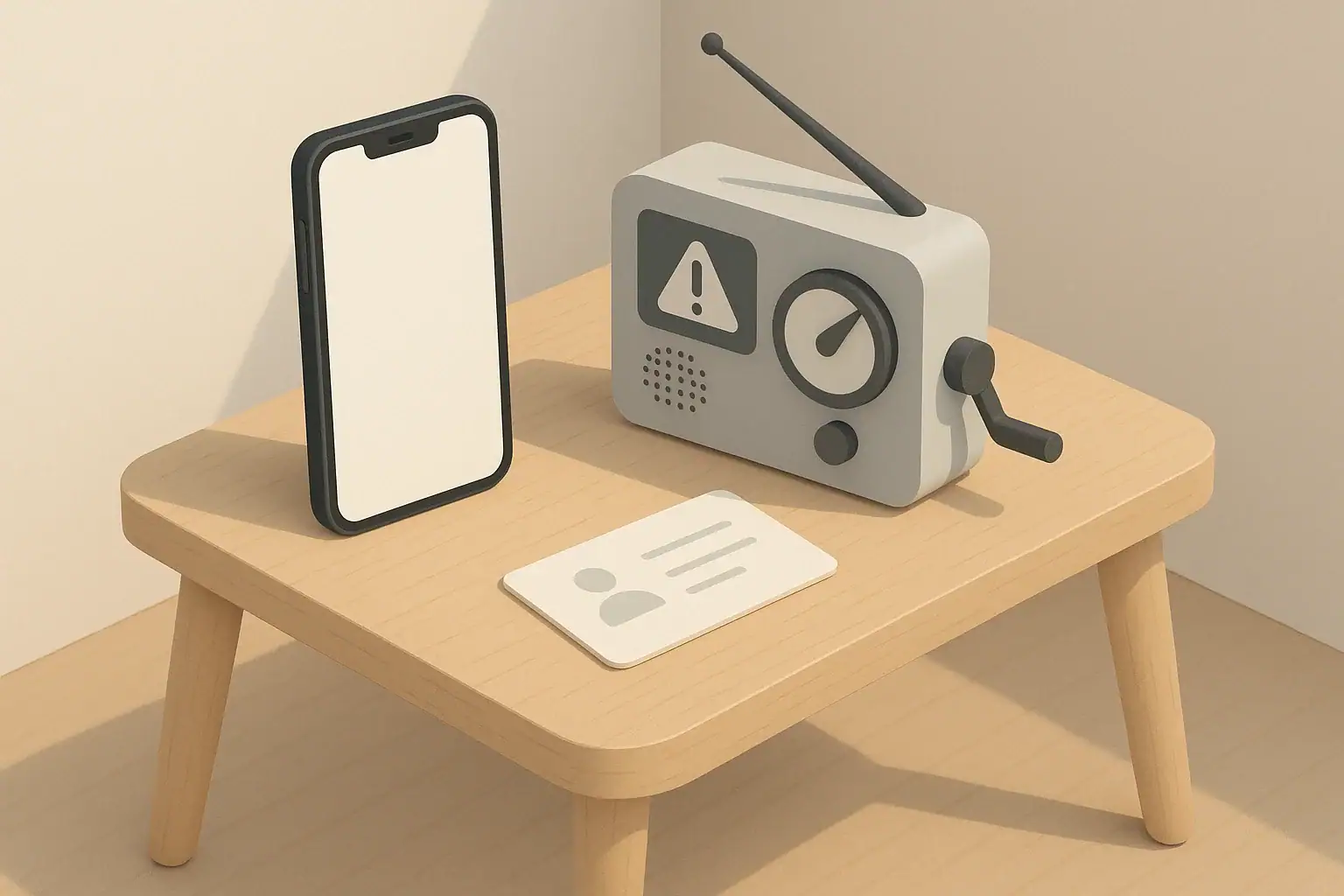
If you live in an area prone to seasonal disruptions, consider whether a simple battery-powered or hand-crank radio is available at home so your sitter can stay aware of local announcements.
Power Outages: Keeping Pets Safe and Comfortable
Short power outages are common and often just an inconvenience. For pets, power loss can affect temperature, air quality, and routine. Your plan should focus on simple actions that keep them safe and calm, especially in apartments or smaller homes where conditions can change more quickly.
Prepare Your Home for Potential Outages
Before any trip, especially during storm seasons or heatwaves, check a few basics:
- Ensure windows can be opened safely where allowed, with secure screens to prevent escapes.
- Show your sitter how to open interior doors and shades to improve air flow if the building allows it.
- Identify one room that stays relatively cooler or warmer depending on the season, where your pet can rest.
- Place flashlights and battery-powered lights in predictable spots.
- Have extra water stored for both people and pets in case pumps or treatment systems are affected.
If you use air purifiers or fans for your pet’s comfort, explain that these will not work without power and suggest simple alternatives like opening interior doors or adjusting shades.
Outage Steps for Your Pet Sitter
Give your sitter a short list of steps to follow if the power goes out while they are with your pet:
- Check safety first: Look for downed lines outside from a distance, unusual smells, or alarms. Do not touch any electrical hazards.
- Use safe lighting: Rely on flashlights or battery lanterns, not candles, to reduce fire risk around pets.
- Manage temperature: In hot weather, open interior doors, close blinds on sun-facing windows, and move your pet to a cooler room if available. In cold weather, keep one room closed to retain warmth and provide extra bedding.
- Protect food and water: Keep the fridge closed as much as possible. Have a backup plan for pet food if frozen or refrigerated items start to warm.
- Update you when possible: Send a short message with the time the outage started, what they observed, and steps taken.
For multi-story buildings or dense neighborhoods, remind your sitter to avoid using elevators if the power is unstable and to use stairways when safe.
Water Disruptions and Safe Drinking Water for Pets
Water issues sometimes occur during storms, main breaks, or maintenance work. Your sitter should know how to keep your pet hydrated even if tap water is not ideal for a short time.
Simple Water Readiness for Pet Care
Before you travel, you can make water planning easier:
- Store several days of water for both people and pets in clean containers.
- Label one lower shelf or cabinet where the sitter can find backup water.
- Keep clean bowls or containers reserved for drinking water.
- Note if your pet is sensitive to sudden water changes so the sitter can switch gradually when possible.
In many short-term events, bottled or stored tap water that was filled before the issue started is a practical option until services are restored or local guidance changes.
Guidance for Boil Notices or Cloudy Water
If your area issues a boil notice or the sitter notices cloudy or discolored water:
- Instruct the sitter to switch to stored or bottled water reserved for your pet and their own use.
- If boiling water is suggested and it is safe to use the stove, ask them to let the water cool fully before offering it to your pet.
- Encourage the sitter to pay attention to local updates through phone alerts or radio if available.
- Ask the sitter to send you a picture or description of the water if they are unsure.
Even during short disruptions, maintaining clean, familiar water helps your pet stay hydrated and reduces stress.
Vet Details, Consent, and Medical Instructions
One of the most important parts of your pet sitter emergency contact plan is clear veterinary information. This helps your sitter act quickly if your pet seems unwell, is injured, or shows a sudden change in behavior.
Essential Veterinary Information to Share
Prepare a short, written vet summary and store it with your main contact sheet. Include:
- Primary veterinary clinic name and address.
- Clinic phone number and typical hours.
- Any preferred after-hours or emergency clinic, with address and phone number.
- Your pet’s full name, approximate age, species, and description.
- Microchip information if applicable, and your preferred registration contact.
Attach a simple description of your pet’s normal behavior and any known sensitivities, such as reactions to loud noises or stressful environments, so changes are easier for the sitter to notice.
Written Permission and Spending Limits
Some clinics may want confirmation that you authorize your sitter to bring your pet for care. Before traveling:
- Ask your vet clinic what they require for someone else to seek care on your behalf.
- Provide any forms or written notes your clinic recommends, such as adding your sitter as an authorized person.
- Outline a general spending limit for urgent care that the sitter is allowed to approve if they cannot reach you immediately.
- Explain how payment will work if an urgent visit is needed while you are away.
Your sitter should have a simple decision guide, such as when they can head directly to the vet, when to call first, and when to try you and your backup contacts before moving forward.
Medical and Behavior Notes for Everyday Issues
Not every concern is an emergency. Help your sitter understand what is normal variation for your pet:
- Typical energy level, appetite, and bathroom habits.
- Any ongoing medications, including where they are stored and how to give them.
- Foods or treats that are off-limits in your home.
- Things that usually calm your pet, such as specific toys, quiet spaces, or routines.
Ask your sitter to document anything that feels off in a simple daily log. If a pattern continues or worsens, they can share that record with you and your vet, which can support better decisions.
Regional and Seasonal Scenarios for Pet Sitters
Across the United States, different regions face different seasonal challenges. You do not need a complex plan for every possibility, but it helps to think about the conditions most likely where you live and how they affect your pet at home.
Heatwaves and High Humidity
In hot climates or during summer heatwaves, indoor temperatures can rise quickly during a power outage. Support your sitter with guidance on:
- How to keep blinds or curtains closed on sun-facing windows.
- Which interior doors to keep open to encourage air movement.
- Cool resting areas, such as tiled floors or shaded rooms.
- Limitations on outdoor time during the hottest hours of the day.
If your home relies on air conditioning, highlight signs the sitter should watch for that suggest your pet is uncomfortable in the heat, and what steps to take, such as moving them to a cooler area and offering water frequently.
Winter Storms and Cold Snaps
In colder regions, winter storms may bring power outages or travel issues that keep you away longer than expected. For these situations:
- Show your sitter where extra blankets or pet bedding is stored.
- Identify the warmest room in the home where doors can be closed to retain heat.
- Explain how to layer drafts protection, such as closing curtains and minimizing door opening.
- Discuss safe walking plans on icy sidewalks or snowy conditions.
Let your sitter know if your building has backup heat or if the unit tends to cool quickly so they can adjust visits and time indoors accordingly.
Smoke, Poor Air Quality, and Stormy Weather
Smoke from wildfires, seasonal pollen peaks, or strong storms can affect indoor comfort. While complex air quality planning is not necessary for most short trips, you can still prepare:
- Show your sitter how to close windows and doors securely if outside air quality worsens.
- Explain how to switch HVAC systems to recirculate indoor air if your setup allows.
- Identify one room that tends to stay quieter and more sheltered from drafts and noise.
- Let them know if your pet is especially sensitive to noise from thunder or heavy rain.
Keeping a consistent, quiet indoor environment during these events helps many pets stay calm while you are away.
Example values for illustration.
| Who to contact | Method | Fallback | Meeting point note |
|---|---|---|---|
| Primary owner | Text first, then call | Message through agreed app | No meeting; sitter stays with pet |
| Co-owner or partner | Call if urgent | Text summary of situation | Can authorize vet visits by phone |
| Local backup friend | Direct call | Short voicemail with address | Meets sitter at home if needed |
| Building manager | Phone or front desk | Leave message with unit number | Helps with access or utilities |
| Primary vet clinic | Clinic phone | Leave callback number | Clinic location in plan notes |
| Emergency vet clinic | Phone before arrival | Go directly if life-threatening | Route printed in home file |
Storing and Updating Your Pet Sitter Plan
Once you build your pet sitter emergency contact plan, keep it simple to maintain. A plan that is easy to find and up to date is more useful than a more detailed one that is hard to access.
Where to Keep Your Plan
Consider keeping one paper copy in your home and one digital version:
- A printed folder or envelope labeled clearly and stored in a consistent place, such as near the kitchen or entry.
- A digital copy saved in a shared document or note, which you can link or send to your sitter.
- Key numbers written on a small contact card inside your home, in case your sitter’s phone battery is low.
Let your sitter know exactly where the physical copy lives and send the digital version before your trip so they can review it in advance.
How Often to Review and Refresh
Most information in your plan can stay the same for months, but review it:
- Before each major trip or seasonal change.
- When you move, change vets, or add a new pet.
- After any incident where the sitter needed to use the plan, so you can improve it.
Small updates, such as confirming phone numbers or revising travel preferences, keep the plan accurate without a lot of work. Over time, your pet sitter emergency contact plan becomes a familiar, practical tool that supports both your pet’s comfort and your peace of mind while you are away.
Authoritative sources
Safety recommendations can change. Confirm critical details with current official guidance and local authorities.
- US EPA: Emergency Disinfection of Drinking Water
- U.S. CPSC: Battery Safety
- CDC: Guidelines for Cleaning Safely After a Disaster
Frequently asked questions
What information should be included in a pet sitter emergency contact plan?
Include primary and backup contact names and phone numbers, full home address and access instructions, veterinary and emergency clinic details, your pet’s medical and behavior notes, medication instructions, and any written spending limits or authorization for care. Also note where the physical copy and a digital copy of the plan are stored so the sitter can access them quickly.
How can I authorize my pet sitter to seek veterinary care while I’m away?
Ask your veterinary clinic what documentation they require and provide any signed authorization forms or notes that the clinic requests, and consider adding the sitter as an authorized contact if possible. Give the sitter written spending limits, payment instructions, and a clear decision guide for when they may proceed if you cannot be reached.
What are the safest steps a sitter should take during a short power outage?
First check safety from a distance for hazards like downed lines, then use flashlights or battery lanterns rather than candles to reduce fire risk. Manage temperature by moving pets to an appropriate room, protect refrigerated food by minimizing fridge openings, and send the owner a brief update when feasible.
How much water should I store for my pet in case of a water disruption?
Store several days of water for each pet in clean, sealed containers and label the storage location so the sitter can find it; many owners keep at least three days’ worth as a practical baseline. As a rough guideline, dogs often use about 1 ounce of water per pound of body weight per day and cats typically need less, so adjust your supply for your pet’s size and any special needs.
When should a sitter take a pet directly to an emergency clinic instead of waiting to contact the owner?
Seek immediate emergency care for life-threatening signs such as difficulty breathing, uncontrolled bleeding, collapse, severe trauma, or prolonged unresponsiveness. For less urgent concerns, follow the pre-agreed decision guide: attempt to contact the owner and your vet, use any authorized spending limits if appropriate, and document symptoms for follow-up care.
- Simple checklists and realistic planning
- Water, power, lighting, and pantry basics
- Family plans (kids, pets, seniors) and seasonal prep
Affiliate disclosure
As an Amazon Associate, we earn from qualifying purchases. Some links on this site may be affiliate links. If you buy through these links, we may earn a small commission at no extra cost to you. This helps support our content. Learn more.