A bedside blackout kit is a small collection of items you keep within arm's reach of where you sleep. The goal is simple: if the power goes out at night, you can move safely, find what you need, and make good decisions without fumbling in the dark.
Instead of a large emergency bin in a closet, this kit focuses on the first few minutes of a nighttime outage or sudden wake-up. It is especially useful in apartments, smaller homes, and for anyone caring for kids, older adults, or pets.
A good bedside blackout kit helps you:
- Prevent falls and trips when the lights go out
- Quickly check on family members, roommates, or pets
- Reach glasses, medications, or mobility aids without searching
- Calm kids who wake up afraid in the dark
- Decide whether you can safely stay put or need to move
You do not need expensive gear to set this up. In most homes, it starts with organizing what you already own and adding a few low-cost items over time.
Why a Bedside Blackout Kit Matters
Core Items to Keep Within Reach
These are the basics that most people find useful in a bedside blackout kit. Adjust the list for your home, region, and personal needs.
Safe Lighting You Can Find in the Dark
Light is the centerpiece of a blackout kit. Choose options that are stable, easy to turn on, and safe around bedding and kids.
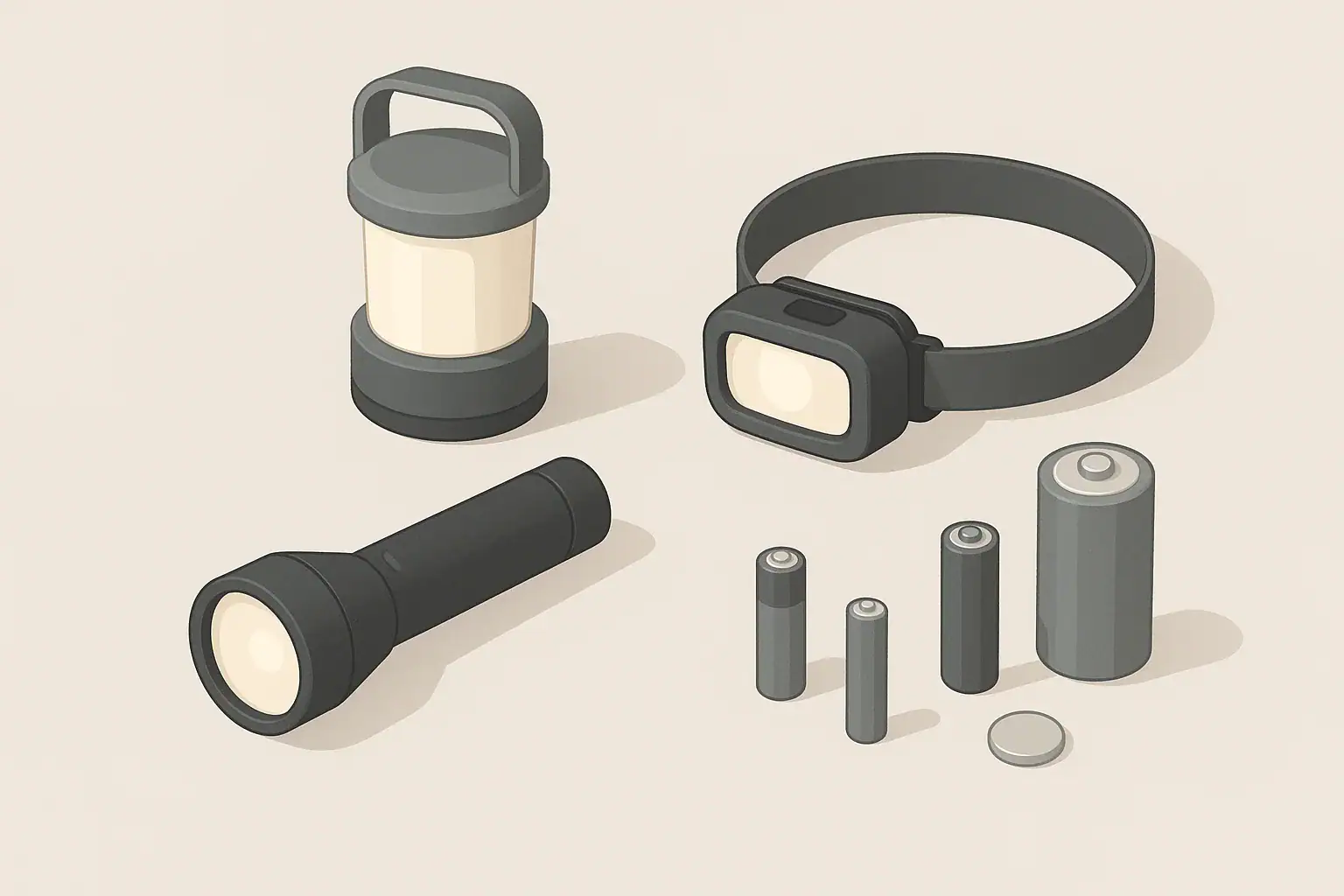
Useful lighting options include:
- Compact flashlight: Simple on/off switch, kept in the same spot every night.
- Headlamp: Keeps your hands free to carry children, assist someone, or open doors.
- Small battery lantern: Can sit on a nightstand or floor to gently light the room.
For safety in bedrooms, avoid open flames such as candles. Soft, indirect light is usually enough to navigate and prevent eye strain when you have just woken up.
Backup Power for Small Essentials
If you rely on your phone as your main light, alarm, or communication tool, having some backup power nearby can help.
- Charged power bank: Keeps a phone or small device running during longer outages.
- Charging cable: Stored right beside the power bank so you are not searching for it.
This bedside power backup is about convenience and communication, not running major appliances. A modest-capacity power bank that you top up regularly is usually enough.
Personal Essentials: Glasses, Medications, and Aids
The next priority is anything you need to move safely or feel stable when you first get out of bed.
- Glasses or contacts case: In the same spot every night so you can see clearly.
- Necessary medications: A small, labeled bedside supply for time-sensitive doses.
- Mobility aids: Cane, walker, or braces positioned so you can reach them without stretching or bending in the dark.
- Comfort items: For kids, a familiar stuffed toy or blanket can ease the stress of a dark, quiet room.
Keep medications in their original containers with labels intact, and follow guidance from your pharmacist or clinician for safe storage.
Quick Information and Simple Tools
In a quiet, dark house, having a few bits of information already written down can help you stay calm and organized.
- Small notepad and pen: To jot down times, instructions, or questions to follow up on once power returns.
- Printed contact list: Key phone numbers in case your phone battery is low or contacts are not accessible.
- Basic multi-tool or simple hand tool: Optional, but can help with minor tasks like opening a battery compartment.
Keep any sharp tools closed or sheathed, and place them where children cannot easily reach them.
Example values for illustration.
| Item | Why it matters | Notes |
|---|---|---|
| Flashlight or headlamp | Prevents trips and falls in dark hallways | Store in same spot; check batteries periodically |
| Small lantern | Provides room-wide light for dressing or caregiving | Choose a stable base to avoid tipping on soft surfaces |
| Charged power bank | Keeps phone usable for calls and alerts | Top up when you charge your phone overnight |
| Glasses and case | Improves visibility on stairs and cluttered floors | Place in a non-slip tray on the nightstand |
| Time-sensitive medications | Reduces risk of missing an important dose | Store as directed; rotate with main supply |
| Printed contact list | Allows calls from any working phone | Include local and out-of-area contacts |
| Mobility aid within reach | Supports safe standing and walking in low light | Keep pathways clear of cords and clutter |
Adapting Your Bedside Kit to Different Homes
The right bedside blackout kit depends on where you live and who shares your space. The basics stay the same, but storage and priorities can shift.
Apartments and Small Spaces
In apartments, you may have limited storage and closer neighbors. A compact, organized kit helps you move quickly without blocking walkways.
Consider:
- Under-bed or bedside caddy: Keeps items contained and easy to grab.
- Shared spaces: If you have roommates, agree on where hallway lighting and shared flashlights are stored.
- Stairwells and elevators: If you live above the first floor, keep shoes near the bed in case you need to use the stairs.
Single-Family Homes
In larger homes, the priority is often coordinating between rooms and floors. A bedside kit is your starting point while you check on others and move toward your main household supplies.
- Multiple kits: A basic kit in each bedroom reduces the need to cross a dark house to find light.
- Stair safety: Ensure a flashlight or low-level night light (on a backup power source if possible) is available near stairs.
- Garage and basements: If these spaces are used at night, consider a simple light source stationed there as well.
Renters vs. Owners
Renters often have limits on permanent fixtures or wiring changes. Fortunately, most bedside blackout kit items are portable and landlord-friendly.
- Non-damaging mounting: Use freestanding lights or removable hooks for hanging headlamps or lanterns.
- Portable backup power: Small battery or power bank options are usually easier than whole-home systems.
- Original packaging: Keeping instructions and packaging can help if you move and need to reconfigure your setup.
Considerations for Families, Kids, and Pets
When you share a home with others, your bedside blackout kit becomes part of a family plan. A little forethought can keep nighttime surprises from turning into confusion.
Helping Kids Feel Safe During a Blackout
Children may wake up disoriented when the usual nightlights, fans, or white noise devices turn off. You can soften that transition with a few small steps.
- Child-safe night light: A battery-powered light in the child's room can help them find the door or call for you.
- Rehearsal: Walk kids through what to do if the lights go out, using calm, simple language.
- Comfort items: Keep a favorite toy or blanket accessible so you do not need to search in the dark.
- Sound changes: If fans or machines normally mask noise, explain that the new silence means the power is out and that you have a plan.
Supporting Older Adults and People With Limited Mobility
If anyone in the home uses mobility aids, hearing devices, or medical equipment, place extra emphasis on clear paths and reachable gear.
- Clear floor space: Keep walkways to the bathroom and door free of cords, loose rugs, and clutter.
- Hearing aids and chargers: Store in a consistent tray or organizer so they are not misplaced in low light.
- Bedside bell or simple signaling method: Useful if someone needs assistance but does not want to shout.
- Battery backup planning: For any essential device that must stay powered, work with your clinician or equipment provider on appropriate backup options.
Planning for Pets at Night
Pets can become anxious or excited when lights and usual sounds change suddenly.
- Leash or carrier accessible: Store near the bed so you can control a pet while navigating stairs or hallways.
- Door discipline: In multi-unit buildings, keep pets secured before opening hallway or stairwell doors.
- Water bowl placement: Avoid placing bowls where they can be kicked or spilled in the dark.
Lighting and Battery Basics for the Bedside
Reliable bedside lighting is less about brightness and more about safety, run time, and ease of use. A few simple guidelines can make your setup more dependable.
Choosing Practical Bedside Lights
When selecting small lights for your bedside kit, look for:
- Simple controls: Large, obvious switches or buttons that are easy to find by touch.
- Stable shape: Lanterns or lights that do not easily roll or tip on a soft mattress.
- Moderate brightness: A low or medium setting that lights the room without harsh glare.
- Diffused light: Frosted or indirect light is gentler on eyes that have just woken up.
Storing and Rotating Batteries
Batteries are the quiet backbone of a blackout kit. Thoughtful storage helps them stay ready when you need them.
- Separate storage: Keep spare batteries in a small container to prevent them from rolling around or touching metal objects.
- Cool, dry spot: A bedside drawer or box away from heat sources is usually sufficient.
- Rotation habit: Once or twice a year, use older batteries in everyday devices and replace them with fresh ones in your kit.
- Mixing caution: Avoid mixing old and new batteries in the same device.
Rechargeable Options vs. Disposable Batteries
Both rechargeable and disposable batteries can work well in a bedside kit. Many people use a mix to balance convenience and long-term cost.
- Rechargeable: Good for frequently used flashlights or lanterns; require a working charger and some routine upkeep.
- Disposable: Useful as a simple backup that does not depend on household power once purchased.
Storing and Maintaining Your Bedside Kit
Once you have gathered your items, how and where you store them matters as much as the items themselves. A kit that slides behind the bed or is buried under books is hard to reach when you need it most.
Placement: Where “Within Reach” Really Means
"Within reach" means you can grab key items while still sitting or lying on the bed. For many people, this looks like:
- A shallow basket or tray on the nightstand
- A bedside caddy that tucks between the mattress and box spring
- A small drawer organized with dividers so items do not shift
Make sure nothing sharp is loose where a half-asleep hand might reach, and that you can locate the main light source by feel alone.
Labeling Without Visual Clutter
Clear labeling helps others in the household use your kit, but you do not need to turn your bedroom into a storage room.
- Discrete labels: Small labels inside drawers or on the underside of a lid can guide others without standing out visually.
- Color coding: Using one consistent color for emergency-related containers can make items easier to recognize in low light.
Simple Maintenance Routines
A kit is only helpful if it works when you need it. Adding a brief check to existing routines makes upkeep manageable.
- Monthly glance: Once a month, turn on each light for a few seconds to confirm it still works.
- Seasonal review: At the start of each season, check medications, contact lists, and power banks.
- After-use reset: Any time you use items from the kit, replace or recharge them as soon as practical.
Example values for illustration.
| Lighting type | Battery type (common example) | Pros and cons | Storage tip |
|---|---|---|---|
| Small flashlight | AA or AAA cells | Compact and familiar; may roll off surfaces if cylindrical | Use a non-slip tray on the nightstand |
| Headlamp | AAA cells or built-in rechargeable | Hands-free; straps can tangle if loosely stored | Hang on a hook or bedpost within arm's reach |
| Tabletop lantern | AA, AAA, or larger cells | Provides area light; takes more space on nightstand | Place on a stable, flat surface away from edges |
| Clip-on reading light | Button cells or rechargeable | Low light output; good for individual use | Keep clipped to a book or shelf so it's easy to find |
| Rechargeable flashlight | Built-in battery | No loose batteries; depends on regular charging | Plug in near the bed and check charge status periodically |
| Motion-activated light | AA or AAA cells | Helps in hallways; may turn on unintentionally | Point away from bed to avoid accidental glare |
Practicing Your Nighttime Power-Out Plan
A bedside blackout kit works best when everyone in the home knows what it is for and how to use it. A short practice can make an actual outage feel more routine.
- Walk-through: During daylight, show household members where the kits are, how to turn on lights, and where to meet if you need to gather in one room.
- Timed drill: Once in a while, simulate a nighttime outage by turning off lights and seeing how quickly you can find and use your bedside items.
- Update together: Involve older kids and other adults in checking batteries and reviewing contact lists, so the kit becomes shared knowledge rather than one person's project.
Over time, your bedside blackout kit becomes another quiet part of your home routine—there if you need it, largely invisible when you do not, and reassuring when the lights suddenly go out.
Authoritative sources
Safety recommendations can change. Confirm critical details with current official guidance and local authorities.
- U.S. CPSC: Battery Safety
- CDC: Guidelines for Cleaning Safely After a Disaster
- Ready.gov: Preparedness Tips for People with Disabilities
Frequently asked questions
What should someone with limited mobility include in a bedside blackout kit?
Prioritize items that support safe movement: a stable bedside light or headlamp, mobility aid within arm's reach (cane or walker), essential medications, a charged power bank and phone, and a simple signaling device such as a bell. Also keep pathways clear and store items where they can be reached while sitting on the bed.
How often do I need to check batteries and power banks in a bedside blackout kit?
Check lights and power banks once a month by turning them on and confirming charge status, and perform a more thorough seasonal review to rotate batteries and verify medications and contact lists. Replace disposable batteries that show any signs of corrosion or age, and recharge or top up power banks after use.
Can a bedside blackout kit power essential medical devices?
A bedside blackout kit is intended for immediate, short-term needs like lighting, communication, and mobility assistance, not for running continuous medical equipment. If someone relies on powered medical devices, work with a clinician or equipment provider to arrange appropriate certified backup power solutions designed for that equipment.
How do I make a bedside blackout kit safe for children?
Choose child-safe lights (battery-powered, cool to the touch), keep small or sharp items out of reach, secure loose batteries in a closed container, and store comfort items where children can access them without searching. Practice simple, calm steps with children so they know what to do and where to find help during an outage.
Where is the best place to store a bedside blackout kit in a small apartment?
Keep the kit on a nightstand tray, in a bedside caddy that tucks between mattress and box spring, or in a shallow drawer so items are reachable while sitting or lying down. Make sure the main light source can be located by touch and that cords or other tripping hazards are secured.
- Simple checklists and realistic planning
- Water, power, lighting, and pantry basics
- Family plans (kids, pets, seniors) and seasonal prep
Affiliate disclosure
As an Amazon Associate, we earn from qualifying purchases. Some links on this site may be affiliate links. If you buy through these links, we may earn a small commission at no extra cost to you. This helps support our content. Learn more.