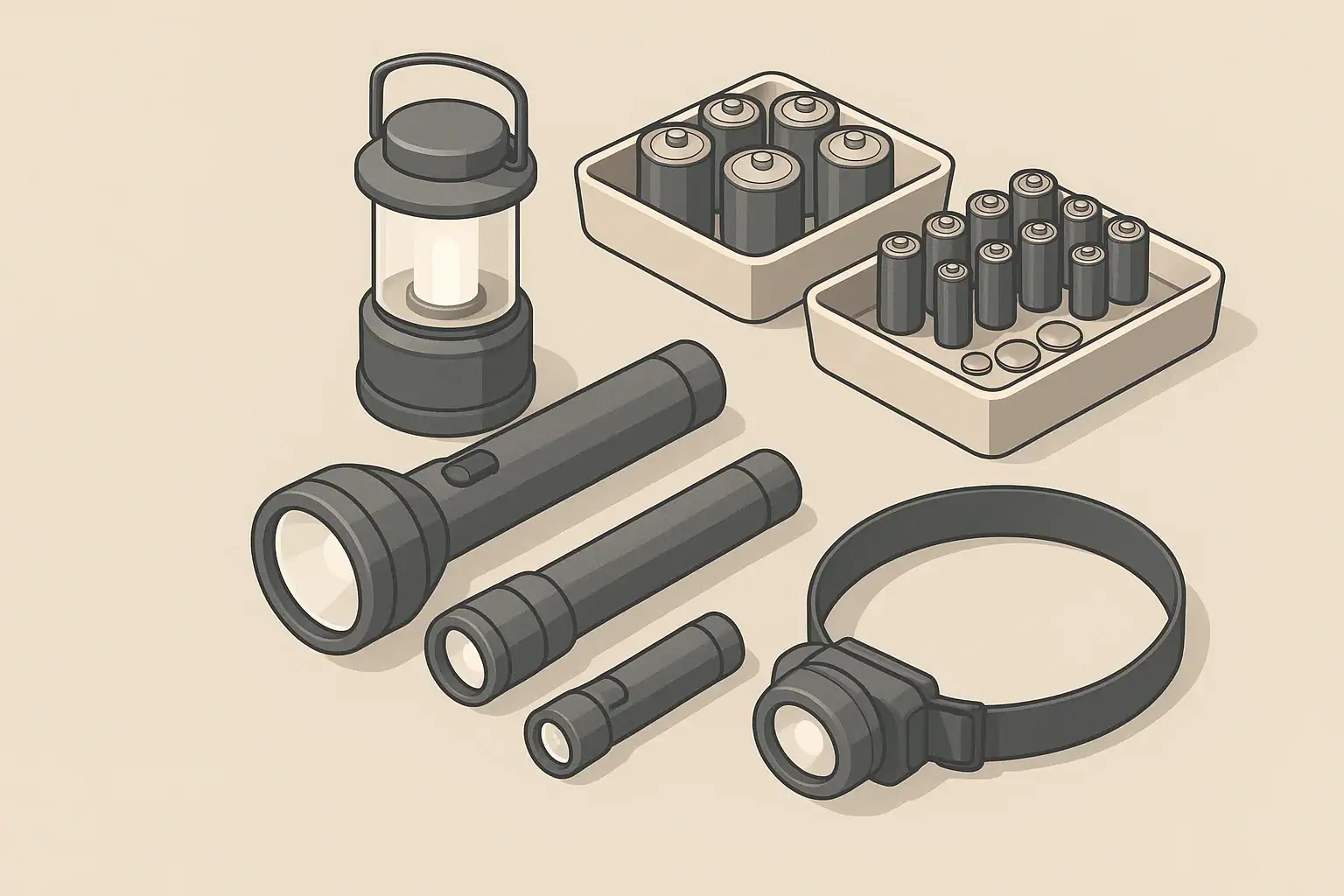
In a short power outage, batteries are often the first thing people reach for. Flashlights, lanterns, radios, and small fans can keep your home safer and more comfortable. Yet many households keep batteries scattered in junk drawers, toy bins, and toolboxes. When the lights go out, that makes it hard to find what you need and to know what still works.
A simple battery organizer helps you:
- See what sizes you have at a glance
- Store batteries in safer, leak-resistant ways
- Rotate older batteries into everyday use before they degrade
- Avoid overbuying one size while forgetting others
- Pack the right batteries with each flashlight, radio, or small device
This kind of organization fits into calm, practical home readiness. Whether you live in a small apartment or a larger house, a battery system can be compact and simple. It is especially helpful during seasonal events like winter storms, hurricanes, or heatwaves when power can be less reliable.
Why a Battery Organizer Matters in Everyday Emergencies
In a short power outage, batteries are often the first thing people reach for. Flashlights, lanterns, radios, and small fans can keep your home safer and more comfortable. Yet many households keep batteries scattered in junk drawers, toy bins, and toolboxes. When the lights go out, that makes it hard to find what you need and to know what still works.
A simple battery organizer helps you:
- See what sizes you have at a glance
- Store batteries in safer, leak-resistant ways
- Rotate older batteries into everyday use before they degrade
- Avoid overbuying one size while forgetting others
- Pack the right batteries with each flashlight, radio, or small device
This kind of organization fits into calm, practical home readiness. Whether you live in a small apartment or a larger house, a battery system can be compact and simple. It is especially helpful during seasonal events like winter storms, hurricanes, or heatwaves when power can be less reliable.
Choosing Battery Sizes for Home Emergencies
A good emergency battery setup focuses on the sizes you actually use and can safely store, rather than collecting every option. Most U.S. households rely on a few standard sizes for lights and small devices.
Core battery sizes to consider
For a basic home readiness kit, focus on these common sizes:
- AA: Widely used in flashlights, headlamps, small radios, remote controls, and many household devices.
- AAA: Found in smaller flashlights, some headlamps, remote controls, and small accessories.
- C and D: Often used in larger lanterns or older flashlights that run for longer periods.
- 9V: Frequently used in some smoke alarms and older-style devices.
- Button/coin cells: Used in some key fobs, small lights, and specialty devices; store these carefully away from children.
How many batteries to keep on hand
The amount you store depends on your living space, family size, and how often you lose power. Instead of a fixed number, think in terms of how long you might want to run essential devices.
- Short outages (a few hours): A small pack of spare AA and AAA batteries may be enough.
- Overnight outages: Enough batteries to run a few flashlights or headlamps for several evenings.
- Multi-day outages: A larger reserve for lanterns, a small radio, and possibly a small clip-on fan.
If you live in an apartment with limited storage, aim for a compact box containing mainly AA and AAA batteries and keep your devices standardized on those sizes whenever possible. In a larger home, you might support bigger lanterns that use C or D cells, plus extra 9V batteries for alarms.
Standardizing devices to simplify sizes
One of the easiest ways to keep your battery organizer under control is to favor devices that share the same battery type. For example:
- Use flashlights and headlamps that all take AA or AAA batteries.
- Choose lanterns that match your most common battery size, if practical.
- Limit special-use devices that require hard-to-find batteries.
The fewer different sizes you rely on, the simpler your rotation and leak-prevention habits become.
Example values for illustration.
| Situation | Priority battery sizes | Why it matters | Notes |
|---|---|---|---|
| Small apartment, 1–2 people | AA, AAA | Limits clutter while covering most devices | Standardize flashlights and headlamps on AA/AAA |
| Family home with kids | AA, AAA, 9V | Covers lights, toys, and some alarms | Store button cells out of reach of children |
| Frequent winter storms | AA, AAA, C or D | Supports lanterns for longer, darker evenings | Balance bulkier C/D cells with storage space |
| Hot climate, summer outages | AA, AAA | Powers small fans, lights, and radios | Consider rechargeable AAs with a solar charger |
| Senior living alone | AA, AAA, 9V | Simplifies use while keeping alarms powered | Label organizer sections in large, clear categories |
| House with workshop | AA, AAA, C, D | Supports tools, lanterns, and task lights | Separate everyday shop stock from emergency reserve |
Designing a Practical Battery Organizer
A battery organizer does not need to be fancy or expensive. The main goal is to keep batteries:
- Grouped by size and type
- Protected from short circuits and physical damage
- Out of reach of small children and pets
- Easy to audit so you know what to rotate or replace
Container ideas for small and large spaces
Depending on your home, you might use:
- Small plastic bins or drawer organizers: Good for apartments or a single kitchen drawer.
- Stackable boxes with dividers: Helpful in a closet or utility area for larger families.
- Clear containers: Let you see low stock quickly without opening everything.
- Latching lids: Help prevent accidental spills and keep out dust and moisture.
Whatever container you choose, keep it in a cool, dry, easily reached location that you can access even in the dark, such as near flashlights or in a central hallway closet.
How to lay out the organizer
A simple layout works for most homes:
- Separate sections for AA, AAA, C, D, 9V, and button cells.
- A small section or envelope for used or nearly used batteries to be tested and recycled.
- A separate pouch or bag for rechargeable batteries and chargers, if you use them.
If you share the home with others, add plain labels such as “AA new,” “AA to use first,” or “Used batteries” to reduce confusion. For young children, keep the organizer above their reach and avoid clear access to button cells.
Keeping batteries from touching incorrectly
To lower the chance of short circuits or unwanted discharge:
- Store batteries in their original packaging when possible.
- If loose, keep each size in its own dedicated compartment.
- Avoid piling batteries randomly in metal containers.
- For 9V batteries, keep the terminals from touching each other or metal objects by using terminal covers, original packaging, or individual slots.
A tidy organizer supports safer storage and can also slow down self-discharge by reducing accidental contact and temperature swings.
Rotation: Keeping Your Battery Stock Fresh
Even in storage, batteries slowly lose capacity over time. Rotation means using older batteries first in everyday devices and placing newer ones at the back of your organizer. This helps you avoid opening a box of weak batteries during an outage.
Basic “first in, first out” system
A simple rotation system can look like this:
- Write the purchase month and year on each battery pack or on a small note inside the organizer.
- Place newer purchases behind or under the older stock.
- Move the oldest batteries into everyday use in remote controls, toys, wireless keyboards, or other non-critical devices.
- Replenish your emergency section with fresh batteries once or twice a year.
This way, batteries are used regularly rather than sitting for many years. You can choose reminder dates that align with other home tasks, such as the start of daylight saving time or seasonal weather checks.
How often to review and test
You do not need to constantly check your battery organizer. For most homes, a brief review is enough:
- Every 6–12 months: Inspect for corrosion, leaks, and low stock.
- Before major seasonal risks: For example, before winter storms or hurricane season, top up AA and AAA batteries.
- After long outages: Note what you used most and adjust your stock next time you shop.
If you have a simple battery tester, you can use it during these reviews to check older batteries and move any that still hold a good charge into your emergency section.
Separating everyday and emergency batteries
To keep your emergency reserve from being used up unnoticed, consider splitting your storage into two clearly marked parts:
- Everyday batteries: For toys, remotes, and regular household needs.
- Emergency batteries: Reserved for flashlights, lanterns, radios, and essential devices during outages.
Some households keep the everyday stock in a kitchen drawer and the emergency stock in a closet with flashlights and an emergency kit. As you notice your everyday batteries running low, you can move older emergency stock into everyday use and replace it with new purchases.
Leak Prevention and Safe Battery Storage
Battery leaks can damage devices and make them unusable just when you need them. While no setup can guarantee zero leaks, smart storage and regular checks greatly reduce the chance of problems.
Conditions that encourage leaks
Common conditions that can make leaks more likely include:
- High heat, such as storage in attics, garages, or near heaters
- Very cold areas with large temperature swings
- Leaving batteries in devices for many months or years without use
- Mixing old and new batteries in the same device
- Mixing different battery chemistries in one device
Your battery organizer should avoid these conditions by staying indoors, away from heat sources, and in a low-humidity area.
Best practices for leak-resistant storage
These habits help protect both batteries and devices:
- Store in a cool, dry place: A bedroom, hallway, or interior closet tends to be more stable than an attic or garage.
- Keep batteries in closed containers: Helps block dust and moisture.
- Do not store loose batteries in pockets or bags: Keys or coins can bridge terminals and create heat.
- Remove batteries from rarely used devices: For example, a lantern stored for years for “just in case” may be safer without batteries inside.
- Check devices annually: Quickly open lanterns, flashlights, and radios to look for any early signs of corrosion.
What to do with corroded or leaking batteries
If you encounter batteries that look swollen, crusty, or wet:
- Avoid touching leaked material with bare hands.
- Keep batteries away from children and pets.
- Follow local guidance for safe disposal or recycling of batteries.
- Open affected devices in a well-ventilated area and follow the device maker’s instructions for cleaning, if available.
Keep a small bag or box in your home designated for used and damaged batteries so they do not end up loose in household trash.
Coordinating Batteries with Your Emergency Lighting
A battery organizer is most useful when matched with a simple lighting plan. Knowing which devices you will use, and how they are powered, lets you keep the right types and quantities of batteries on hand.
Core battery-powered lights to support
Many homes find it helpful to assign specific lights for specific roles:
- Flashlights: One per person, ideally in the same size (AA or AAA).
- Headlamps: Very practical for cooking, washing dishes, or walking pets during outages.
- Lanterns: Provide area light for a living room, kitchen table, or children’s room.
- Small night light or clip-on light: For safe movement around stairs or hallways.
Store each device either with batteries installed and checked regularly, or with a small pack of the correct batteries clipped or bagged next to it. This avoids mixing sizes during an outage.
Balancing disposable and rechargeable batteries
Some households prefer to blend disposable and rechargeable batteries. A simple approach is:
- Use rechargeable AA or AAA batteries for regularly used devices (flashlights used for evening walks, toys, remote controls).
- Keep a modest reserve of disposable batteries specifically for prolonged outages.
- Store chargers near your emergency power options so you can recharge during the day if you have backup power or solar panels.
This strategy can reduce waste in everyday life while maintaining a backup supply that requires no charging during short emergencies.
Example values for illustration.
| Lighting type | Typical battery type | Pros and cons | Storage tip |
|---|---|---|---|
| Handheld flashlight | AA or AAA | Easy to share batteries across devices; may need frequent replacement in heavy use | Keep one small pack of spare cells rubber-banded to each flashlight |
| Headlamp | AAA or AA | Hands-free; great for tasks; some designs can be small and easy to misplace | Store in a labeled pouch near the battery organizer |
| Compact lantern | AA or AAA | Flexible and lightweight; can share batteries with flashlights | Remove batteries if stored unused for long periods |
| Large lantern | C or D | Often longer run time; batteries are bulkier and heavier | Dedicate a small box just for these larger cells |
| Clip-on task light | AAA or coin cell | Targeted light; coin cells require careful child-safe storage | Keep coin cells sealed and out of reach of children |
| Emergency radio with light | AA or built-in rechargeable | Combines light and information source; may also support solar or hand-crank | Review power options and keep matching batteries nearby |
Simple Maintenance Habits for Long-Term Readiness
A battery organizer is most effective when paired with a few low-effort habits that fit into everyday life.
- Assign a location: Decide on a single, consistent place for your battery organizer and emergency lights so everyone in the household can find them in the dark.
- Combine with other checks: Review your organizer when you test smoke alarms, change air filters, or do seasonal closet cleanouts.
- Involve the household: Show family members where spare batteries are and which section is “emergency only.”
- Update after each event: After a power outage, note what was most helpful and adjust your battery sizes, quantities, and layout accordingly.
With a small amount of planning and regular attention, a battery organizer becomes a quiet part of your overall home readiness, helping you handle everyday outages and seasonal disruptions in a calmer, more organized way.
Authoritative sources
Safety recommendations can change. Confirm critical details with current official guidance and local authorities.
- U.S. CPSC: Battery Safety
- CDC: Guidelines for Cleaning Safely After a Disaster
- Ready.gov: Preparedness Tips for People with Disabilities
Frequently asked questions
How should I label and rotate batteries in a battery organizer for emergencies?
Write the purchase month and year on new packs or a small note inside the organizer and place newer purchases behind older stock. Use a first-in, first-out approach by moving oldest batteries into everyday devices and replenishing the emergency section once or twice a year. Regular, simple rotation helps avoid discovering weak batteries during an outage.
Where is the best place to keep a battery organizer for emergencies to reduce leak risk?
Store the organizer indoors in a cool, dry, and stable location such as a hallway closet or a bedroom cabinet, and avoid attics, garages, or areas near heaters. Use closed containers or boxes with latching lids to reduce dust and humidity exposure. Keeping batteries away from extreme temperatures and moisture lowers the chance of leaks.
Can rechargeable batteries be stored with disposable batteries in a battery organizer for emergencies?
Yes, but keep rechargeables and disposables in separate compartments or pouches and store chargers separately near your emergency power if possible. Many rechargeable cells self-discharge over time, so keep them charged and test them periodically. Never mix different chemistries or old and new cells in the same device.
What should I do if I find a corroded or leaking battery in my organizer?
Avoid touching leaked material with bare hands and keep the area away from children and pets. Use gloves and a sealable bag or container to collect the damaged batteries, and follow local disposal or recycling guidance for hazardous batteries. Clean affected devices per the manufacturer’s instructions in a well-ventilated area if it is safe to do so.
How many of each battery size should I keep in a battery organizer for emergencies?
There’s no one-size-fits-all number; base quantities on household size, which devices you need to power, and how long you may be without power. For short outages, a small pack of AA and AAA cells may suffice; for multi-day events, include larger reserves for lanterns (C or D) and extras for radios and alarms. Standardizing device battery types reduces the total number of sizes you must store.
- Simple checklists and realistic planning
- Water, power, lighting, and pantry basics
- Family plans (kids, pets, seniors) and seasonal prep
Affiliate disclosure
As an Amazon Associate, we earn from qualifying purchases. Some links on this site may be affiliate links. If you buy through these links, we may earn a small commission at no extra cost to you. This helps support our content. Learn more.