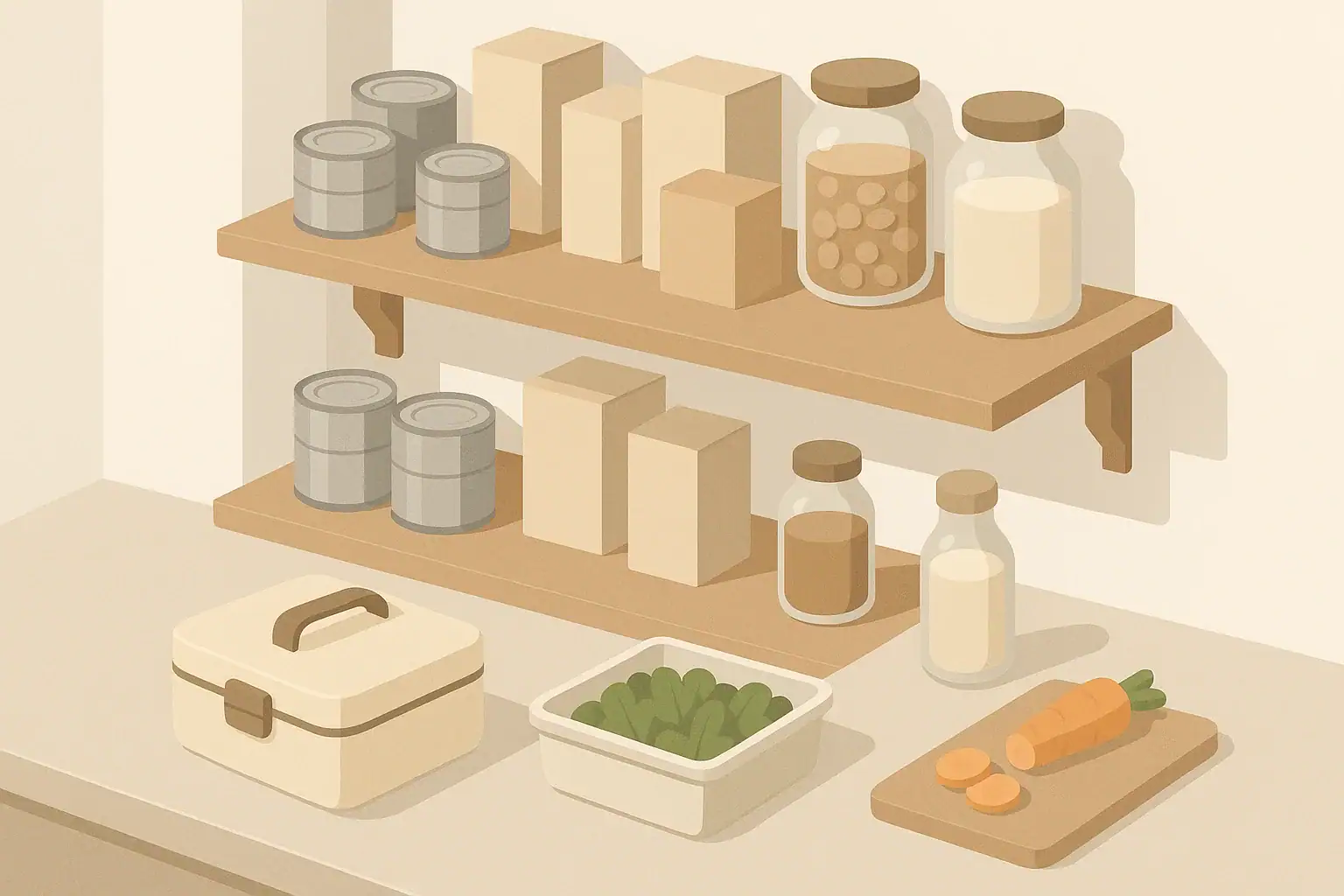
Short-term disruptions like power outages, winter storms, heatwaves, or sudden school schedule changes can make feeding kids more stressful than it needs to be. A little planning for emergency lunchboxes gives you flexible, low-stress options that work whether your child is at home, at school, or staying with a relative or neighbor.
Emergency lunchbox ideas are not about stockpiling large amounts of food. Instead, they focus on:
- Using familiar, kid-friendly foods that do not require cooking
- Choosing options that stay safe for several hours without refrigeration
- Building simple routines so you can pack quickly when plans change
- Working in apartments or small homes with limited storage
These ideas fit into a calm, practical home readiness plan, alongside basic pantry extras, safe lighting, and simple communication plans.
Why Emergency Lunchbox Planning Matters for Families
Short-term disruptions like power outages, winter storms, heatwaves, or sudden school schedule changes can make feeding kids more stressful than it needs to be. A little planning for emergency lunchboxes gives you flexible, low-stress options that work whether your child is at home, at school, or staying with a relative or neighbor.
Emergency lunchbox ideas are not about stockpiling large amounts of food. Instead, they focus on:
- Using familiar, kid-friendly foods that do not require cooking
- Choosing options that stay safe for several hours without refrigeration
- Building simple routines so you can pack quickly when plans change
- Working in apartments or small homes with limited storage
These ideas fit into a calm, practical home readiness plan, alongside basic pantry extras, safe lighting, and simple communication plans.
Basic Principles for Emergency-Friendly Kids’ Lunches
When you build an emergency lunchbox plan, focus on foods that are easy to store, easy to open, and easy to eat. The goal is to keep kids fed and comfortable, not to create perfect meals.
Choose No-Cook and Low-Prep Foods
Assume you may not have access to a stove, microwave, or even hot water. Prioritize foods that can be eaten straight from the package or with only very simple prep, like spreading or stirring.
- Ready-to-eat items that do not need heating
- Foods that can be opened by kids or supervising adults
- Items that do not require extra tools beyond a spoon or a butter knife
Lean on Shelf-Stable Staples
Choose items that can sit in a cupboard or closet rather than the fridge or freezer. This keeps your options steady even during power outages or when shopping is hard for a few days.
- Dry goods that stay stable at room temperature
- Small, individual containers that are easy to rotate into regular use
- Bulk packages you can divide into reusable containers or bags
Plan for Several Hours Without Refrigeration
Pack lunchboxes as if they might sit at room temperature for the school day or while you are away from home. Consider simple cool packs if available, but do not rely on them during longer outages.
- Favor items that are typically stored on a shelf rather than the fridge
- When you do include perishable items, use them first and pack them with an ice pack if possible
- Use insulated lunch containers if you already have them, but do not buy special equipment just for emergencies
Example values for illustration.
| If you need… | Then consider… | Notes |
|---|---|---|
| No-cook main item | Nut or seed butter packets, shelf-stable hummus, canned beans | Can be eaten with crackers, bread, or tortillas |
| Snack that feels familiar | Plain crackers, dry cereal, popcorn, granola bars | Rotate into regular snacks so nothing goes stale |
| Something like fruit | Whole fruit, applesauce cups, fruit packed in juice | Choose options your child already likes |
| Protein that keeps | Dry roasted beans or peas, shelf-stable meat or fish, nut butters | Smaller packages are easier for kids to manage |
| Comfort item | Simple cookies, chocolate pieces, flavored crackers | Use small portions to stretch supplies |
| Hydration backup | Shelf-stable boxed drinks, powdered drink mix | Plain water is still the primary drink |
Building an Emergency-Friendly Lunch Pantry
A small, organized lunch pantry makes it easy to pack quickly when school plans suddenly change or when power is out. This can be a single shelf, a bin in a closet, or a box under a bed.
Kid-Friendly Shelf-Stable Main Items
Main items give the lunch some staying power so kids feel reasonably full. Mix and match based on your family’s preferences and any dietary limits.
- Nut or seed butters in jars or squeeze packs
- Shelf-stable hummus or bean dips in small containers
- Canned beans (such as black, pinto, or chickpeas), drained and packed in a container
- Canned fish or poultry in water, packed in easy-open cans or pouches
- Dry roasted chickpeas, peas, or broad beans
- Ready-to-eat soups or chilis that can also be eaten at room temperature if needed
Pair these with simple carbohydrates like bread, tortillas, or crackers. When power is on, you can store bread in the freezer and thaw as needed; during an outage, use what you have on hand first and then rely more on crackers and dry goods.
Fruits, Vegetables, and Simple Sides
Even in emergencies, small portions of fruits and vegetables can make meals feel more normal. Focus on what keeps well and what your kids already eat happily.
- Whole fruits that keep at room temperature, like apples, oranges, or firm pears
- Applesauce cups or pouches
- Fruit cups packed in juice rather than syrup
- Dried fruits such as raisins, apricots, or cranberries
- Vegetable cups, such as corn or carrots, that can be eaten cold
- Single-serving packs of olives or pickles, if your child enjoys them
For sides and snacks, think about small, filling items that do not crumble into a mess:
- Crackers, pretzels, dry cereal, or popcorn
- Trail mix or simple nut and seed mixes
- Granola or cereal bars with simple ingredient lists
- Plain cookies or simple baked goods that keep for several days
Drinks and Hydration Backups
Clean drinking water is the priority in any disruption. For school or day trips, send a filled reusable bottle if water is expected to be available to refill. As a backup, keep a small stash of shelf-stable drinks.
- Shelf-stable boxed milk or milk alternatives
- 100% juice boxes or pouches in modest sizes
- Electrolyte powders to mix into water if kids have been very active or it is hot
Use these as extras, not replacements for water. Rotate them regularly so nothing expires unnoticed in the back of a cupboard.
Sample No-Cook Emergency Lunchbox Combos
When power is out or school is operating on backup plans, you may not have time to think through menus. Pre-tested combinations can reduce decisions. Aim for a simple pattern:
- 1 main item
- 1–2 sides or snacks
- 1 fruit or vegetable item
- 1 drink (plus water)
Everyday Pantry Combos
These use common pantry items you may already have and can easily rotate.
- Combo A: Nut or seed butter on crackers, applesauce cup, dry cereal mix, water bottle
- Combo B: Canned beans mixed with corn (drained) in a small container, tortilla chips, orange, shelf-stable milk box
- Combo C: Canned fish in a pouch, whole-grain crackers, raisins, juice box
- Combo D: Shelf-stable hummus, pita or flatbread, carrot cup, simple cookie, water bottle
Minimal-Prep Combos During a Power Outage
When the lights go out, it is helpful to have options that do not require opening the refrigerator or using many dishes. Keep a “grab bin” of items that are fully shelf-stable.
- Combo E: Dry roasted chickpeas, crackers, dried fruit mix, boxed drink
- Combo F: Granola bar, applesauce pouch, nut mix, water bottle
- Combo G: Ready-to-eat soup or chili (if your child will eat it at room temperature), bread or crackers, fruit cup, water bottle
- Combo H: Shelf-stable cheese-style spread, pretzels, dried fruit, small treat
Comfort-Focused Combos for Stressful Days
Disruptions can be unsettling for kids. Including familiar, comforting foods can make the day feel more manageable, even if the meal is not perfect.
- Combo I: Peanut or seed butter sandwich, favorite cookies, apple, water bottle
- Combo J: Simple pasta salad made ahead of time when power is on, fruit cup, crackers, boxed drink
- Combo K: Cold leftover pizza (safe for several hours if packed with an ice pack), carrot sticks, raisins, water bottle
Packing Lunches When School or Power Is Disrupted
How you pack matters almost as much as what you pack. A few small habits make emergency lunches easier and safer, especially when you are rushed or the house is dim due to an outage.
Keep a Simple “Lunch Station” at Home
A lunch station can be just one drawer or bin that holds the basics you need to pack quickly:
- Reusable containers with tight lids
- Small reusable bags or simple sealable plastic bags
- Plastic or metal utensils
- Napkins or paper towels
- Permanent marker to label names and dates, if desired
If you have room, store a flashlight or small battery-powered lantern nearby so you can see what you are doing if power goes out before breakfast.
Smart Use of Cold Packs and Insulated Containers
If your child’s lunch includes items that are usually refrigerated, such as dairy products or leftovers, pack them next to a cold pack when possible. In a longer outage, reserve ice packs for higher-risk foods and rely more on shelf-stable options as time goes on.
- Place perishable items together in the coldest spot in the lunchbox
- Use insulated containers if you already own them, but do not rely on them for full-day refrigeration
- Use clearly shelf-stable items on later days of an extended outage
Labeling and Communication With School
During regional disruptions, schools may be adjusting their own routines. Clear communication helps make sure your child’s food is handled appropriately.
- Let the school know if your child has any allergies or dietary limitations
- Teach your child which items are meant to be shared and which are not
- Explain what is in their lunch so they are not surprised by unfamiliar foods
Involving Kids in Emergency Lunch Planning
Involving kids can make them more comfortable when routines change. It can also reduce waste, because they are more likely to eat foods they helped choose.
- Let kids pick a few favorite shelf-stable snacks for the emergency lunch bin
- Practice packing “backup lunches” together a few times a year
- Ask what they liked and did not like, then adjust the pantry accordingly
Adapting Lunches for Different Homes and Situations
Not every family has the same space, appliances, or routines. Emergency lunch planning can be flexible for apartments, larger homes, renters, and shared households.
Small Spaces and Apartment Living
If space is tight, aim for a compact, high-use setup rather than a large stash.
- Dedicate one shoebox-sized container to emergency lunch items only
- Choose condensed foods like nut butters, dried fruits, and snack mixes
- Rotate items into regular school lunches so your emergency bin stays fresh
Families With Multiple Kids
For larger families, the main challenge is staying organized.
- Create color-coded or labeled bins by child or by meal type
- Pre-portion snacks into individual containers so older kids can self-pack
- Keep a simple checklist near your lunch station that lists a main, side, fruit or vegetable, and drink
Staying With Relatives, Friends, or Shelters
In some situations, kids may be eating away from home for a few days, such as staying with relatives due to a power outage or staying at a temporary shelter.
- Pack a small bag of familiar snacks your child can recognize and open
- Include reusable utensils and a small cup or water bottle
- Label containers with your child’s name to reduce mix-ups
Dietary Preferences and Restrictions
If your child has allergies or follows specific dietary patterns, build your emergency lunch pantry around the same principles you use daily.
- Read ingredient lists when you stock the pantry, not during the outage
- Keep a written list of safe brands or ingredient combinations that work for your family
- Store a copy of this list with your emergency lunch bin in case someone else is packing meals
Example values for illustration.
| Food type | Storage tip | Rotation interval idea | No-cook use |
|---|---|---|---|
| Crackers and dry cereal | Keep in airtight containers or sealed bags | Use within a few months for best texture | Pair with nut or seed butter for a main item |
| Canned beans and vegetables | Store in a cool, dry cupboard | Plan to use and replace at least once a year | Rinse, drain, and serve in a small container |
| Nut and seed butters | Keep jars tightly closed; avoid excess heat | Rotate every few months into regular snacks | Spread on bread, tortillas, or crackers |
| Dried fruit and trail mix | Use resealable bags or jars to limit air | Check every few months for freshness | Pack as a side or mix into dry cereal |
| Granola and snack bars | Group by date so older boxes are used first | Use in everyday lunches once or twice a month | Send as a quick breakfast or snack |
| Applesauce and fruit cups | Store upright in a bin to prevent leaks | Rotate into lunches every few weeks | Serve as dessert or a simple side |
| Shelf-stable drinks | Keep together in one easy-to-see spot | Use in road trips or busy days a few times a year | Pack as backup if water access is uncertain |
Simple Rotation and Review Routine
An emergency lunch plan works best when it is part of your normal life. A short review a few times a year keeps it ready without turning into a big project.
- Mark a reminder on your calendar once every three to six months
- On that day, open your emergency lunch bin and move older items into regular use
- Replace what you used with fresh versions during your next regular grocery trip
- Talk briefly with your kids about what they liked and what to change
By treating emergency lunchbox planning as a small, recurring habit rather than a one-time task, you create a steady, flexible buffer against routine disruptions at school or at home.
Authoritative sources
Safety recommendations can change. Confirm critical details with current official guidance and local authorities.
- US EPA: Emergency Disinfection of Drinking Water
- USDA FSIS: Keep Food Safe During Emergencies
- U.S. CPSC: Battery Safety
Frequently asked questions
How long can perishable items stay safe in an emergency lunchbox without refrigeration?
Perishable foods such as dairy, cooked meats, and leftovers should generally not be kept at room temperature for more than two hours; when temperatures are above 90°F (32°C), reduce that to one hour. Using a frozen cold pack can extend safe time by a few hours, but it is not reliable during long outages. When in doubt, choose shelf-stable alternatives to avoid foodborne illness.
What are safe shelf-stable main items for kids with nut allergies?
If a child has a nut allergy, choose alternatives like seed butters only if the child is not allergic to seeds, canned beans, shelf-stable hummus (check ingredients), dry roasted chickpeas, and easily opened pouches of cooked lentils or poultry. Shelf-stable milk or milk-alternative boxes can add calories and calcium without refrigerated items. Always read labels and store a list of safe ingredients with your emergency lunch bin.
Can I pack refrigerated leftovers in an emergency lunchbox?
Leftovers can be packed if they have been properly cooled and you include an ice pack; however, they follow the same safety window of about two hours at room temperature (one hour in hot conditions). For planned outages or longer days, rely on shelf-stable mains to avoid risking spoilage. When possible, reserve perishable items for the first day of an outage and consume them promptly.
How should I store and rotate an emergency lunch pantry in a small apartment?
Keep a compact bin or single shelf for emergency lunch items and organize it with the oldest items at the front so you use them first. Set a calendar reminder to check and rotate items every three to six months, moving older goods into regular use and replacing them on your next shopping trip. Labeling containers with dates makes rotation quick and reliable in small spaces.
What drinks should I include for hydration during school disruptions or power outages?
Plain water should be the primary drink you send, with small shelf-stable milk or 100% juice boxes as occasional backups. Electrolyte powders or oral rehydration mixes can be useful during hot weather or after vigorous activity, but use them sparingly and follow package dilution instructions. Store backups where they are easy to see and rotate them into normal use so they do not expire unnoticed.
- Simple checklists and realistic planning
- Water, power, lighting, and pantry basics
- Family plans (kids, pets, seniors) and seasonal prep
Affiliate disclosure
As an Amazon Associate, we earn from qualifying purchases. Some links on this site may be affiliate links. If you buy through these links, we may earn a small commission at no extra cost to you. This helps support our content. Learn more.