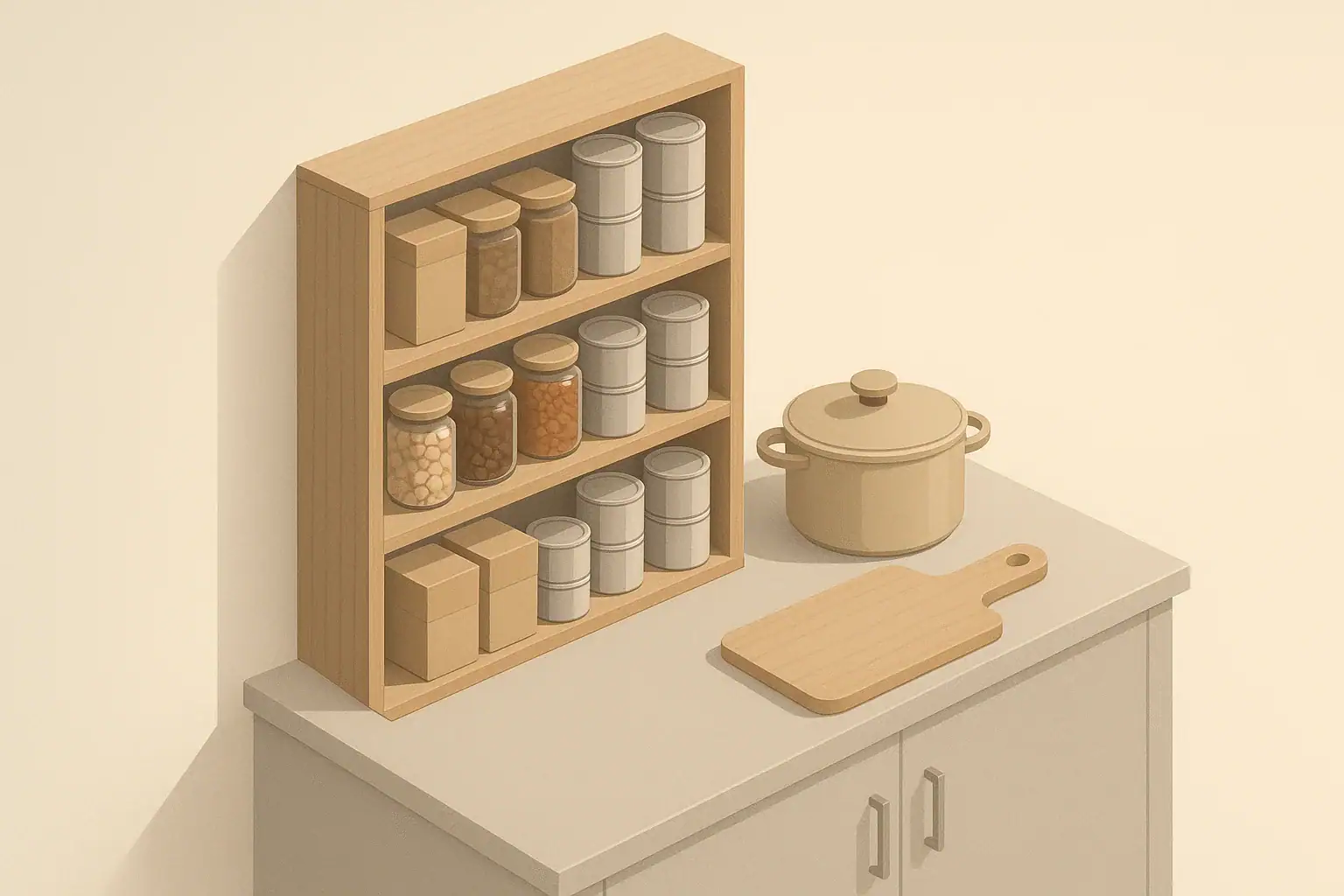
Short-term emergencies like winter storms, hurricanes, or local power outages can make it hard to cook fresh meals or shop normally. In those situations, having a basic emergency pantry helps you stay comfortable at home instead of scrambling for last-minute supplies.
For seniors and people trying to limit salt in everyday life, standard emergency food advice can be a poor fit. Many shelf-stable foods are heavily salted for flavor and preservation. That can be frustrating if you are trying to keep your pantry in line with your usual eating habits or if a member of your household has been advised to watch their sodium intake.
A low-sodium emergency pantry does not need to be complicated or expensive. With a bit of planning, you can build a flexible mix of foods that:
- Store well at room temperature
- Can be eaten with little or no cooking
- Use ingredients you already like and rotate into regular meals
- Allow you to season food to taste instead of relying on high-salt packaged meals
Why a Low-Sodium Emergency Pantry Matters
Short-term emergencies like winter storms, hurricanes, or local power outages can make it hard to cook fresh meals or shop normally. In those situations, having a basic emergency pantry helps you stay comfortable at home instead of scrambling for last-minute supplies.
For seniors and people trying to limit salt in everyday life, standard emergency food advice can be a poor fit. Many shelf-stable foods are heavily salted for flavor and preservation. That can be frustrating if you are trying to keep your pantry in line with your usual eating habits or if a member of your household has been advised to watch their sodium intake.
A low-sodium emergency pantry does not need to be complicated or expensive. With a bit of planning, you can build a flexible mix of foods that:
- Store well at room temperature
- Can be eaten with little or no cooking
- Use ingredients you already like and rotate into regular meals
- Allow you to season food to taste instead of relying on high-salt packaged meals
Planning Basics for a Low-Sodium Pantry
Emergency pantry planning starts with people, not products. Think about who is in your home and what a realistic disruption looks like where you live.
Estimate How Many Days to Cover
For most households, planning for at least several days of simpler meals is a practical starting point. Some people choose to build toward a week or more over time. Consider:
- Local risks: Winter storms, hurricanes, or flooding may make it hard to shop or get deliveries for several days.
- Power reliability: If outages are common, focus on foods that are safe at room temperature and need little or no cooking.
- Storage space: Apartment dwellers may need to prioritize compact, multi-use foods.
Match Foods to Your Kitchen Setup
Low-sodium foods are only useful if you can actually prepare them under the conditions you face. Ask:
- Do you have a way to boil water if the power is out?
- Could you safely use a small camping-style stove outdoors if needed?
- Do you have manual tools, like a hand can opener and manual grinder or masher?
Build your pantry around foods you can eat cold if you must, and then add more options that become available when you can heat water or cook briefly.
Think in Simple Meal Building Blocks
Instead of buying specialized “emergency” products, focus on regular grocery items you will use anyway. A low-sodium pantry works best when it centers on three basic building blocks:
- Base foods: Grains, pasta, oats, unsalted crackers, low-sodium tortillas.
- Protein sources: Canned or shelf-stable beans, lentils, fish, or poultry packed in low-sodium or no-salt-added options when available.
- Add-ins and flavor: No-salt spices, herbs, dried vegetables, small amounts of sauces or condiments you tolerate well.
Example values for illustration.
| Household situation | Better staple choice | If that is not practical |
|---|---|---|
| Senior living alone with limited cooking | Single-serve low-sodium soups, ready-to-eat beans, soft cereals | Regular canned soups diluted with extra water and added plain rice |
| Family in small apartment | Compact dry foods (rice, oats, pasta) plus canned no-salt tomatoes | Mixed cans of beans and vegetables rinsed well before eating |
| Heart-conscious household with access to a stove | Dried beans, lentils, whole grains with no-salt seasoning blends | Standard canned beans drained and rinsed to reduce surface salt |
| Frequent power outages, no backup cooking | Ready-to-eat low-sodium canned meals and nut butters | Standard canned meals balanced with unsalted crackers and fruit |
| Caregiver supporting an older adult | Easy-open cans, soft low-sodium foods, shelf-stable milk | Regular products with labels pre-marked for lower-salt options |
| Household with kids and picky eaters | Plain pasta, oats, low-sodium sauces, dried fruit | Familiar higher-salt items paired with plenty of plain sides |
Key Low-Sodium Staples to Consider
Many common emergency foods can be chosen in lower-sodium versions or used in ways that keep salt more manageable. The goal is to give yourself options, not perfection.
Grains and Starches
Plain grains and starches are naturally low in sodium unless salt is added during processing. They are versatile and usually affordable.
- Rice: White rice cooks faster; brown rice offers more fiber but takes longer. Both store well if kept dry.
- Oats: Rolled or quick oats can be used for hot cereal or stirred into yogurt-style shelf-stable products.
- Pasta: Dried pasta has a long shelf life and pairs well with simple sauces.
- Unsalted crackers or rice cakes: Useful when you cannot cook and as a base for spreads.
- Instant mashed potatoes (low-sodium if available): Can be prepared with shelf-stable milk or water.
Protein Sources
Protein helps meals feel more satisfying, especially in stressful situations. Look for options you already eat regularly.
- Canned or dried beans and lentils: No-salt-added versions, when available, allow you to season as you like.
- Canned fish or poultry: Choose versions packed in water without added seasonings if you can.
- Nut and seed butters: Some come without added salt; even standard varieties can be used sparingly on unsalted bread or crackers.
- Shelf-stable tofu or plant-based proteins: Check labels for options with simpler, lower-salt ingredient lists.
Fruits and Vegetables
Produce can be challenging in emergencies, but some shelf-stable options work well.
- Canned vegetables: Look for no-salt-added or lower-sodium versions when practical. If not, draining and rinsing can reduce surface salt on the outside of the food.
- Canned fruit in juice or water: Offers variety and can provide a simple dessert or snack.
- Dried fruits: Raisins, prunes, or similar items pack small and last a long time.
- Tomato products: Canned crushed tomatoes or tomato sauce without added salt (when available) form the base of many easy meals.
Flavor Without Relying on Salt
Food that tastes good is more likely to be eaten, especially for older adults who may have lower appetite during stressful times.
- Dried herbs and spices: Garlic powder, onion powder, pepper, and herb blends without added salt.
- Vinegar or citrus juice: Small shelf-stable bottles can brighten the flavor of beans, vegetables, and salads.
- Small amounts of sauces: Even if sauces contain salt, using a little on top of otherwise plain foods can help keep the overall meal more balanced.
Reading Labels and Making Tradeoffs
In regular shopping, it is common to compare nutrition labels closely. During emergency planning, supply and budget may limit options. It is still helpful to understand how to scan labels quickly and decide what fits your household.
Practical Label Tips
Many people focus on the sodium line of the Nutrition Facts panel. When comparing similar products:
- Look at sodium per serving and the serving size.
- Be aware that canned soups, broths, and ready meals often have more salt than plain grains or beans.
- If you cannot find a low-sodium version, consider how you might dilute it with water, extra vegetables, or grains.
Using Rinsing and Dilution
Simple preparation steps can help reduce the saltiness of some foods:
- Canned beans and vegetables: Draining and rinsing under water helps wash away some of the salt on the surface.
- Canned soups or sauces: Adding extra water, no-salt-added tomatoes, or plain grains stretches flavor and may help spread the salt across more portions.
These approaches do not remove all sodium, but they can make heavily seasoned foods easier to balance with simpler sides.
Adapting for Seniors, Renters, and Small Spaces
Different living situations call for slightly different pantry strategies, especially when low-sodium needs are involved.
Seniors Living Alone
For older adults, the best emergency foods are those that are:
- Easy to open (pull-tab cans, pouches, or cartons)
- Simple to prepare with limited strength or dexterity
- Soft enough for comfortable chewing and swallowing
Pre-portioning can help. For example, smaller containers of low-sodium soup, shelf-stable milk, or ready-to-eat beans may prevent waste if power is out and refrigeration is limited.
Renters and Apartment Dwellers
When storage space is tight, focus on compact, multi-use items:
- Stackable cans of beans, vegetables, and tomato products
- Grains in sealed, pest-resistant containers
- A small box with spices, a manual can opener, and basic utensils
Store your emergency foods in regular cupboards and use them in everyday cooking. Replace items as you go so your small-space pantry stays fresh without needing a separate “emergency” area.
Households with Kids or Picky Eaters
In stressful times, familiar foods can be grounding. For lower-sodium planning with kids:
- Include a few favorite items, even if they are not the lowest in salt.
- Pair saltier foods with plenty of plain sides like rice, pasta, or unsalted crackers.
- Keep simple snacks, such as applesauce cups, unsalted nut mixes if appropriate, or plain cereals.
Quick, Lower-Sodium Meal Ideas from Pantry Staples
You can build many basic meals with a small set of ingredients. The examples below assume access to at least boiling water. If you have no way to heat food, focus on combinations that work cold, such as beans with crackers and fruit.
Simple One-Pot Combinations
- Bean and rice bowl: Cook rice. Stir in drained, rinsed beans, canned tomatoes, dried herbs, and a splash of oil if available.
- Hearty vegetable pasta: Boil pasta. Add canned vegetables, a portion of tomato sauce, and no-salt seasoning.
- Lentil stew: Simmer lentils with water, dried vegetables, herbs, and a small amount of canned tomato.
No-Cook or Minimal-Cook Options
- Bean salad: Combine rinsed canned beans with canned corn, a little vinegar, and herbs.
- Cracker plates: Unsalted crackers or rice cakes with nut butter, canned fruit, and a handful of nuts.
- Overnight oats: Soak oats in shelf-stable milk or a milk alternative and top with dried fruit.
For older adults, consider softening foods with extra liquid and mashing beans or vegetables if chewing is difficult.
Pantry Safety, Shelf Life, and Rotation
Any emergency pantry works best when foods are safe and reasonably fresh. A low-sodium pantry uses ordinary groceries, so basic food storage habits apply.
Storing Low-Sodium Staples Safely
- Keep grains, pasta, and cereal in sealed containers to protect from pests and moisture.
- Store cans and jars in a cool, dry place away from direct heat sources.
- Avoid cans that are dented at the seams, bulging, or leaking; set those aside and do not use.
Rotation Without Waste
Instead of buying a separate stash and letting it sit, fold your emergency foods into everyday cooking. A simple approach is:
- Place newer items at the back and move older ones forward.
- Plan occasional meals using canned beans, grains, and vegetables so they do not linger.
- Check dates a couple of times a year, such as at the start of winter and summer.
Example values for illustration.
| Food type | Storage tip | Rotation interval idea | No-cook or low-cook use |
|---|---|---|---|
| Dry rice, oats, and pasta | Keep in airtight containers off the floor | Plan to use within about 1–2 years as part of normal meals | Oats soaked overnight; pasta in simple stove-top dishes |
| Canned beans and lentils | Store in a cool cupboard, label purchase month | Use and replace gradually over about 1–3 years | Rinsed and mixed into salads or eaten with crackers |
| Canned vegetables and tomatoes | Group by type so they are easy to find | Incorporate into soups and stews every few months | Serve at room temperature or warmed briefly |
| Canned fish or poultry | Rotate into weekly lunches or quick dinners | Aim to use within about 1–3 years following package guidance | Mix with beans, pasta, or crackers |
| Nut and seed butters | Store tightly closed; stir occasionally if separating | Use and replace within roughly 6–12 months once opened | Spread on bread, crackers, or stirred into oats |
| Dried fruits and unsalted nuts | Keep in sealed bags or jars away from heat | Plan to eat within about 6–12 months for best quality | Snack mixes, oatmeal toppings, simple desserts |
Simple Steps to Start Your Low-Sodium Emergency Pantry
Building a low-sodium emergency pantry does not require a single big shopping trip. You can make steady progress by:
- Listing a few basic meals you already enjoy that use shelf-stable ingredients.
- Adding one or two extra low-sodium-friendly items to each regular grocery trip.
- Keeping a written or digital list of what you have and updating it occasionally.
- Checking that you have manual tools, such as a can opener, and a simple plan for cooking or eating foods safely during an outage.
With these habits, your pantry can support calmer, more comfortable days during short-term disruptions while aligning more closely with the needs of seniors and heart-conscious households.
Related guides: Emergency Pantry for Seniors: Easy-Open and Easy-Prep Options · Manual Can Opener Checklist: Small Tools That Keep a Pantry Usable.
Authoritative sources
Safety recommendations can change. Confirm critical details with current official guidance and local authorities.
- US EPA: Emergency Disinfection of Drinking Water
- USDA FSIS: Keep Food Safe During Emergencies
- CDC: Guidelines for Cleaning Safely After a Disaster
Frequently asked questions
How can I build a low-sodium emergency pantry on a tight budget?
Start by prioritizing inexpensive, versatile base foods like rice, oats, and dried pasta, and add one low-sodium or no-salt-added item each grocery trip. Use affordable protein sources such as dried lentils or no-salt-added canned beans, and fold these items into regular meals so they rotate out before expiring. Buying in bulk for frequently used staples and storing them properly will also stretch your budget.
What is a safe shelf life for common low-sodium pantry staples?
Dry goods like rice, pasta, and oats typically remain usable for 1–2 years when stored in a cool, dry place; unopened canned goods often last 1–3 years depending on the product and storage conditions. Always inspect cans for dents, bulges, or leaks and check dates when possible, and use a rotation system to keep foods fresh.
Does rinsing canned beans or vegetables meaningfully reduce sodium?
Yes. Draining and rinsing canned beans and many canned vegetables can wash away a substantial portion of surface sodium, often reducing sodium content by roughly 20–40% depending on the product. While rinsing doesn’t remove all the sodium, it can make salted options easier to balance with low-sodium sides.
Which low-sodium protein options are best for seniors who have difficulty chewing?
Soft, ready-to-eat options like no-salt-added canned beans, pureed or mashed lentils, shelf-stable milk-based or blended soups labeled low sodium, and smooth nut butters are good choices. You can also mash or blend canned proteins and mix them with grains to create softer, easy-to-swallow meals.
How should I plan a low-sodium pantry if I might not be able to cook during an outage?
Include ready-to-eat low-sodium choices such as canned no-salt-added meals, nut butters, unsalted crackers, canned fruit in juice, and shelf-stable single-serve items. Keep manual tools like a can opener and consider simple cold combinations (beans with crackers and fruit) so you have balanced options that require no heat.
- Simple checklists and realistic planning
- Water, power, lighting, and pantry basics
- Family plans (kids, pets, seniors) and seasonal prep
Affiliate disclosure
As an Amazon Associate, we earn from qualifying purchases. Some links on this site may be affiliate links. If you buy through these links, we may earn a small commission at no extra cost to you. This helps support our content. Learn more.