Having extra water at home is one of the simplest ways to be ready for short-term disruptions. A broken water main, a boil-water notice, or a winter storm can make clean tap water unavailable or unreliable for a few days.
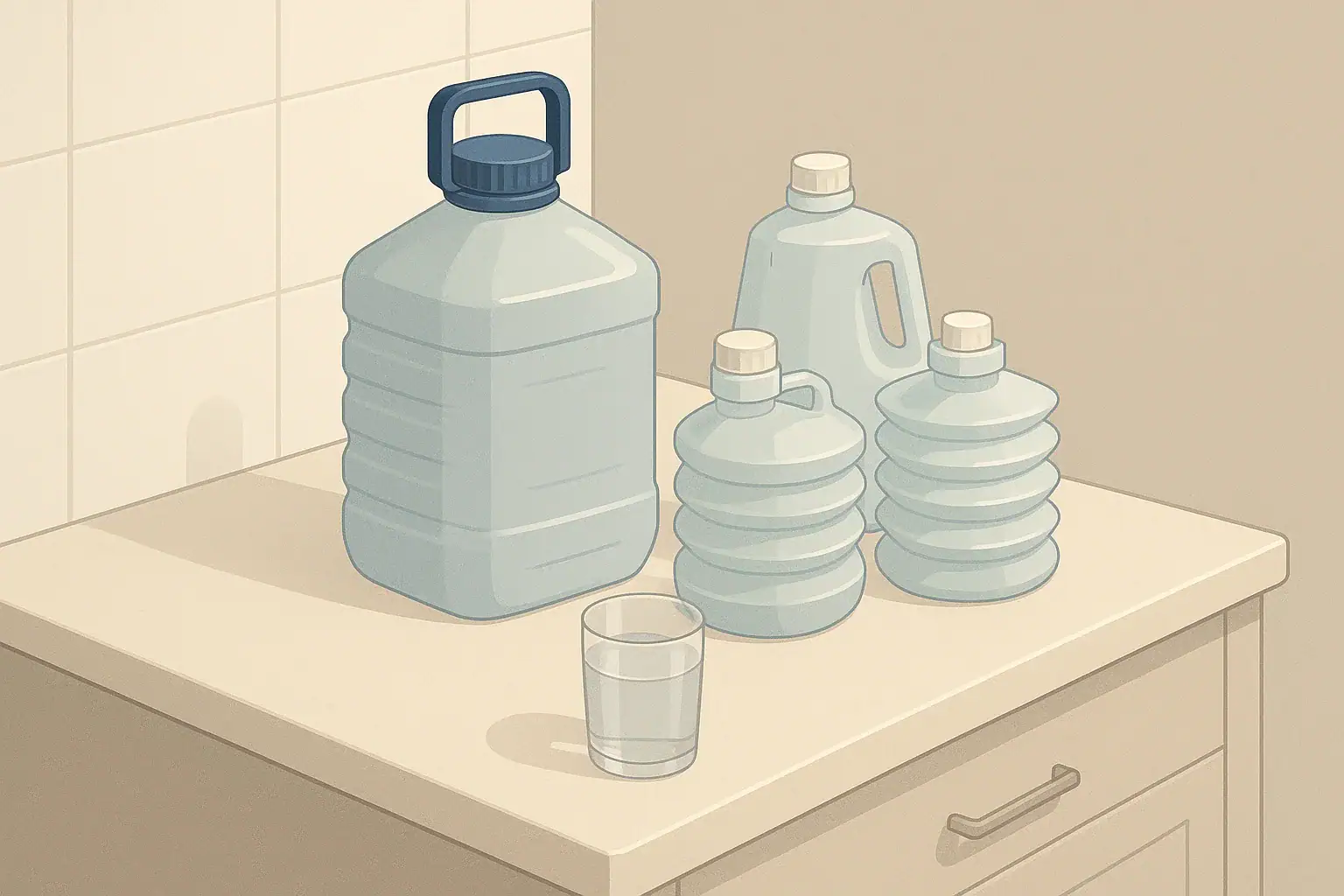
Two of the most common options for home water storage are collapsible water containers and rigid jugs. Both can help you store a practical backup supply. The best choice for you depends on space, household size, and how you plan to use and rotate your water.
This guide focuses on everyday U.S. households, from small apartments to larger homes, and looks at how each option fits into calm, realistic planning for a few days to a couple of weeks of water coverage.
Why Compare Collapsible Water Containers and Rigid Jugs?
Having extra water at home is one of the simplest ways to be ready for short-term disruptions. A broken water main, a boil-water notice, or a winter storm can make clean tap water unavailable or unreliable for a few days.
Two of the most common options for home water storage are collapsible water containers and rigid jugs. Both can help you store a practical backup supply. The best choice for you depends on space, household size, and how you plan to use and rotate your water.
This guide focuses on everyday U.S. households, from small apartments to larger homes, and looks at how each option fits into calm, realistic planning for a few days to a couple of weeks of water coverage.
Basics of Home Water Storage
Before comparing container types, it helps to think about how much water you might want on hand and what you will use it for.
How Much Water to Plan For
A common planning target is at least several gallons per person for a few days, more if you have space and budget. People usually need water for:
- Drinking and basic cooking
- Brushing teeth and quick handwashing
- Minimal cleaning or rinsing dishes
- Pet water needs
Many households start small, then add more storage over time as they learn what works in their space.
What You Need from a Container
Most people benefit from a mix of smaller and larger containers. When evaluating any water container, consider whether it is:
- Food-safe: Intended for drinking water or food use
- Durable: Resists punctures and cracking
- Easy to carry: Practical when full for the people in your household
- Simple to pour: Spigot or opening that works for daily use
- Reasonable to store: Fits where you have room year-round
Example values for illustration.
| Situation | Leans toward collapsible | Leans toward rigid |
|---|---|---|
| Very limited storage space | Can store flat until needed | May be hard to fit larger jugs |
| Need daily, long-term use | Suitable for occasional or short-term use | Better for frequent filling and dispensing |
| Carrying water up stairs | Lighter options, can fill smaller amounts | Heavier but may have sturdier handles |
| Children helping with water | Smaller collapsible bags they can lift | Stable jugs that are harder to tip |
| Rough handling or outdoor storage | At risk of punctures and abrasion | Usually better impact and puncture resistance |
| Budget and gradual build-up | Often low-cost, can add several over time | Fewer containers, often larger capacity |
| Priority on simple cleaning | More folds and seams to scrub | Smooth, rigid walls easier to clean |
Collapsible Water Containers at Home
Collapsible containers are flexible bags or soft-sided jugs that fold or roll up when empty. They are popular with people who have limited space but still want a useful amount of water available during an outage.
How Collapsible Containers Work
These containers are usually made from flexible, food-safe plastics. Many include a built-in handle and a spout or simple on/off valve. When you fill them, they expand into shape; when you are done, they flatten and can be tucked away in a cabinet or drawer.
Advantages of Collapsible Containers
- Space-saving when empty: Ideal for apartments, dorms, or small homes with limited storage.
- Lightweight: Easier to carry when empty and can be filled close to where you plan to use them.
- Flexible use: Can serve as backup storage to fill when a storm or other disruption is expected.
- Good for short-term needs: Handy for a few days of water, camping, or temporary stays.
Limitations of Collapsible Containers
- Less durable over time: Repeated folding and unfolding can cause wear, especially at seams and corners.
- More puncture-prone: Sharp objects or rough surfaces can damage them, so they need careful storage.
- Can be less stable: Soft sides may bulge or tip, especially when not completely full.
- Harder to clean thoroughly: Folds and creases can trap moisture and residue if not dried well.
Best Uses for Collapsible Containers
Collapsible containers work well when you:
- Live in a small apartment and cannot dedicate a closet shelf to water
- Want an easy way to quickly add several gallons before a forecasted storm
- Plan to keep main water storage elsewhere (like bottled water) and use collapsible containers as extra capacity
- Need flexible options for travel, camping, or taking water in a vehicle
Practical Tips for Using Collapsible Containers
- Test them once: Fill and empty each new container at least one time to check for leaks and learn how the spout works.
- Avoid overfilling: Leave a little space at the top so the container can sit more securely and the cap closes well.
- Protect from sharp edges: Store in a bin or box so they do not rub against tools, screws, or other sharp items.
- Dry completely before long storage: After use, drain, prop open, and allow them to air-dry as completely as possible.
Rigid Water Jugs at Home
Rigid jugs are hard-sided containers designed for water storage and transport. They can range from smaller jugs that one person can easily carry to larger containers meant to sit in one place.
Why Many Households Like Rigid Jugs
Rigid jugs are often used for long-term, everyday water handling because they are sturdy and predictable. For home readiness, they can serve as a primary way to store a steady reserve.
Advantages of Rigid Jugs
- Durability: Hard walls resist punctures and stand up to repeated use and refilling.
- Stable shape: Stack or line up neatly; less likely to sag or roll.
- Easier cleaning: Smooth, rigid surfaces are simpler to scrub and rinse.
- Longer service life: With reasonable care, can stay in use for many fill-and-rotation cycles.
Limitations of Rigid Jugs
- Take space even when empty: You must dedicate storage room year-round.
- Heavier when full: Larger jugs can be difficult for some people to lift or carry, especially up stairs.
- Bulkier for transport: Awkward in small cars or crowded closets.
Best Uses for Rigid Jugs
Rigid jugs are a good fit when you:
- Have a closet, garage, or pantry section available for permanent storage
- Want a stable, long-term water reserve that stays in one place
- Plan to rotate stored tap water on a schedule
- Prefer a container that feels solid and can double for camping, picnics, or yard work
Practical Tips for Using Rigid Jugs
- Choose manageable sizes: Pick a size you (and other household members) can carry comfortably when full.
- Store off the floor: Use shelving or a low platform to avoid direct contact with concrete or rough surfaces.
- Label fill dates: Mark when you filled them so you can rotate water on a schedule that works for you.
- Avoid heat and sunlight: Store in a cool, shaded spot away from direct sun and heat sources.
Space, Household Type, and Container Mix
Most homes benefit from a mix of both collapsible containers and rigid jugs. The right balance depends on your living situation and how you expect to use stored water during a short-term disruption.
Apartment and Small-Space Considerations
If you rent or live in a small home, you may not be able to dedicate an entire shelf to water. In that case, consider:
- Core storage in rigid jugs: A few smaller rigid jugs you can tuck in a closet or under a bed as a steady reserve.
- Extra capacity in collapsible containers: A set of flat-stored collapsible bags that you fill when a storm or planned shutdown is announced.
- Using existing spaces: Bottom of a clothes closet, under a crib, behind a couch, or inside a low cabinet.
Families with Children
With kids in the home, stability and ease of use matter. You might prioritize:
- Stable rigid jugs: Place them where children cannot easily tip them over.
- Child-manageable containers: Smaller collapsible bags or jugs that older kids can carry carefully if asked to help.
- Spill control: Use jugs with spouts you can control to avoid large spills on floors.
Older Adults and Mobility Considerations
For seniors or anyone with limited strength or mobility, the weight of water is a key concern. Options include:
- More, smaller containers: Several small rigid jugs instead of large ones, so each is easier to lift.
- Filling in place: Collapsible containers that can be filled near the sink, then gently moved short distances.
- Use of carts: A basic household cart or dolly to move heavier containers without lifting.
Pets and Water Storage
Pets need their own share of water. Whether you choose collapsible or rigid containers, keep pet needs in mind:
- Estimate daily water use for each pet and add that to your planning.
- Store a dedicated container labeled for pet use if it helps with planning and rotation.
- Use smaller containers for easy pouring into bowls.
Filling, Rotating, and Treating Stored Water
Once you choose containers, the ongoing habits matter as much as the container type. Clean handling and regular rotation help keep your stored tap water suitable for its intended use.
Cleaning Containers Before Use
Before filling any water container for the first time and periodically afterward:
- Wash with mild dish soap and clean water.
- Rinse thoroughly so no soap remains.
- Let air-dry as much as possible before filling, especially for long-term storage.
Follow any instructions that come with the container, especially regarding cleaning agents to avoid.
Filling from the Tap
For many households, filling containers with tap water works well. To keep things simple and consistent:
- Use the cold water tap.
- Fill containers all the way, leaving a small air gap for expansion.
- Seal tightly to reduce the chance of contamination.
If your local water authority issues specific guidance during advisories or outages, follow that information for your area.
Rotation Habits
Regardless of container type, rotation helps you keep water reasonably fresh:
- Choose a rotation interval that feels manageable, such as every few months or twice a year.
- Use a marker or tape to note the fill date on each container.
- Set reminders on a calendar or phone to prompt you to check and rotate.
When rotating, many people simply use the stored water for non-drinking purposes such as watering plants, cleaning, or flushing, then refill the containers.
Treating Water if Needed
In some scenarios, you might need to treat water before filling containers or before using stored water. For home readiness:
- Keep basic water treatment supplies or instructions on hand, suited to your comfort level.
- Follow public guidance for your area if a boil-water or contamination notice is issued.
- Use treatment methods according to instructions, including contact times and amounts, if you choose to use them.
Container type does not change the basics of treatment, but collapsible containers may be more sensitive to heat or harsh chemicals, so manufacturer instructions are important.
Planning Your Water Storage Mix
Combining collapsible containers and rigid jugs can help you balance space, convenience, and capacity. Instead of trying to solve everything at once, you can build up your water storage in small, realistic steps.
Step-by-Step Approach
- Decide on a simple target: For example, aim first for enough water for a few days for everyone in the home.
- Start with what fits: Add one or two manageable rigid jugs to the spaces you already have.
- Add collapsible capacity: Keep a few collapsible containers folded in a drawer or go-bag for extra flexibility.
- Test your setup: Once or twice a year, practice filling, carrying, and pouring from both types of containers.
- Adjust over time: If a container style proves awkward, gradually shift toward the type you find easier to handle.
Seasonal and Regional Considerations
Your climate and common local disruptions can also shape your choices:
- Winter storms: Rigid jugs that can sit near, but not against, inside walls are useful if pipes freeze or pressure drops.
- Hurricanes and heavy storms: Collapsible containers are helpful to quickly increase storage when a storm is forecast.
- Heatwaves: Extra drinking water on hand can reduce unnecessary trips outside during extreme heat.
- Wildfire smoke days: Storing water indoors and sealed can reduce the need to open windows or doors more than necessary.
Example values for illustration.
| People and pets | Days to plan for | Storage approach | Rotation cue idea |
|---|---|---|---|
| 1 person in studio apartment | 3–5 days | 1–2 small rigid jugs plus 2 collapsible bags stored flat | Rotate when seasons change |
| Couple in small condo | 5–7 days | Several mid-size rigid jugs under a bed and 2 collapsible containers | Rotate on tax time and at year-end |
| Family of four with dog | 7 days | Row of rigid jugs in a closet plus collapsible containers for quick extra capacity | Rotate at start and midpoint of school year |
| Household with limited lifting ability | 3–7 days | More, smaller rigid jugs and a few collapsible bags filled in place | Rotate when checking smoke alarms |
| Home in hurricane-prone area | 7–10 days | Base level of rigid storage plus many collapsible containers to fill before storms | Rotate base jugs at start of hurricane season |
| Home in cold climate | 3–7 days | Rigid jugs stored indoors, away from freezing; some collapsible containers for extra coverage | Rotate before and after winter |
Keeping Water Readiness Simple and Sustainable
Both collapsible water containers and rigid jugs can play useful roles in a calm, practical home readiness plan. Collapsible containers offer flexibility and space-saving storage, while rigid jugs provide durability and everyday ease of use.
Starting with a small, realistic goal and building gradually helps you find a combination that fits your home, routines, and comfort level. Over time, periodic checks, cleaning, and rotation can make backup water feel like an ordinary part of how you care for your household, not a special project.
Authoritative sources
Safety recommendations can change. Confirm critical details with current official guidance and local authorities.
- US EPA: Emergency Disinfection of Drinking Water
- USDA FSIS: Keep Food Safe During Emergencies
- CDC: Guidelines for Cleaning Safely After a Disaster
Frequently asked questions
Which is better for long-term storage: collapsible water containers or rigid jugs?
Rigid jugs are generally better for long-term storage because their hard walls resist punctures, are easier to clean, and hold up to repeated fill-and-rotation cycles; however, they require dedicated storage space. Collapsible containers are useful for short-term, flexible capacity and transport but can wear at seams and are more sensitive to heat and punctures.
How should I rotate water stored in collapsible containers vs rigid jugs?
Mark fill dates and set regular reminders—many households rotate stored tap water every few months to once or twice a year depending on use and storage conditions. For both types, use the oldest water for non-drinking tasks when rotating, then refill and reseal containers promptly.
Are collapsible water containers safe for drinking water?
Yes if they are made from food‑safe materials and cleaned and dried according to the manufacturer’s guidance. Avoid exposing them to high heat or harsh chemicals, and follow local advisories about treating water during contamination events.
Can collapsible containers be stored outdoors like rigid jugs?
Storing collapsible containers outdoors is not recommended because they are more prone to punctures, abrasion, and UV or heat damage; rigid jugs are usually better suited to sheltered outdoor storage. If any container is stored outside, keep it shaded, off rough surfaces, and protected from temperature extremes.
What size and mix of containers is practical for a family of four?
A common approach is a base level of mid‑size rigid jugs kept as a steady reserve plus several collapsible containers for extra or short‑term capacity. Choose sizes that household members can lift comfortably, label fill dates, and practice carrying and pouring during routine checks.
- Simple checklists and realistic planning
- Water, power, lighting, and pantry basics
- Family plans (kids, pets, seniors) and seasonal prep
Affiliate disclosure
As an Amazon Associate, we earn from qualifying purchases. Some links on this site may be affiliate links. If you buy through these links, we may earn a small commission at no extra cost to you. This helps support our content. Learn more.