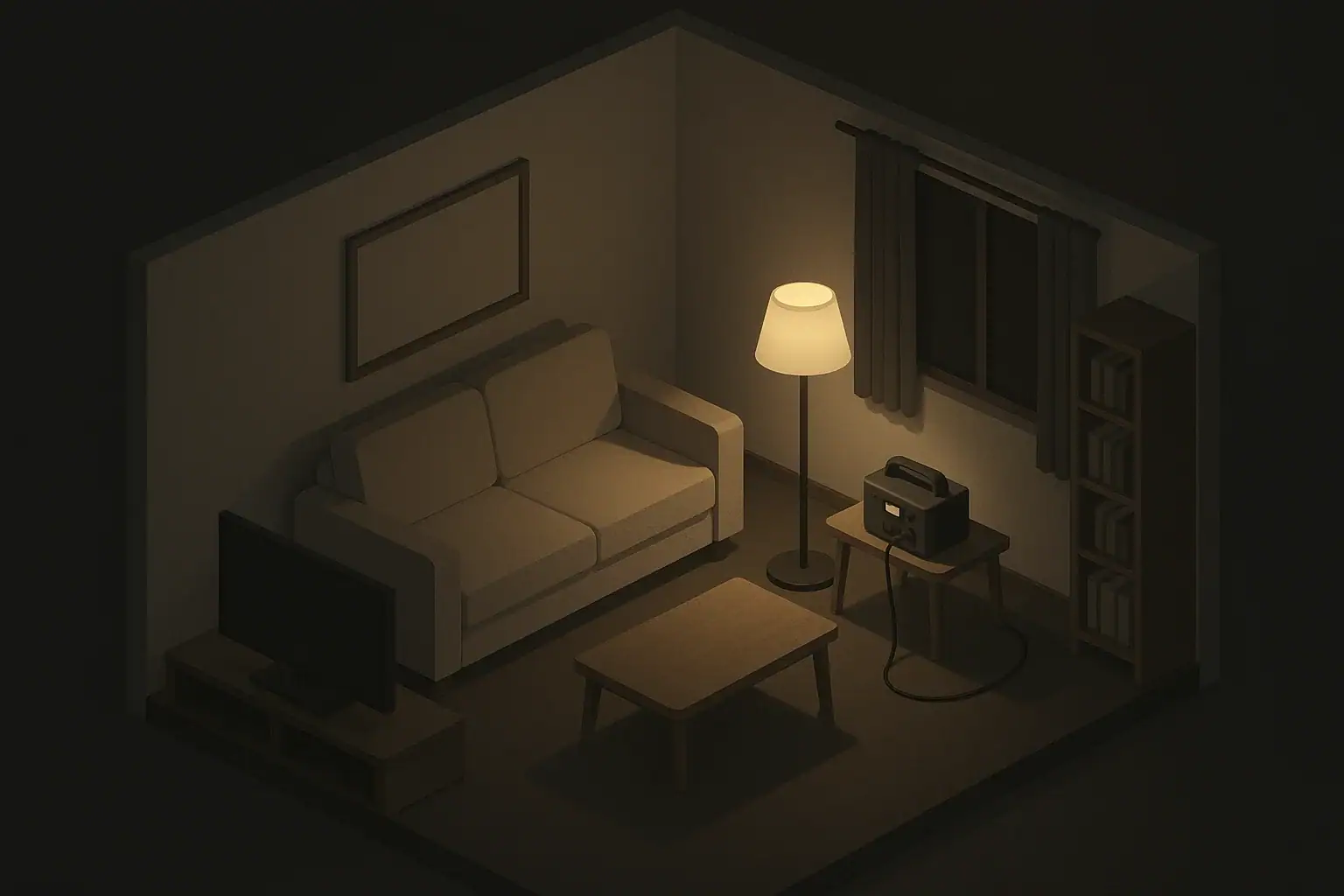
Power outages are common across the United States, whether from winter storms, summer heatwaves, hurricanes, or routine grid issues. For most households, the goal is not to power everything, but to keep a few essentials running: lights, phone charging, maybe a small fan, medical or mobility equipment, or a way to cook and store food safely.
When people first think about backup power, they often focus on the price tag of the device: a generator, a battery power station, or a few extra battery packs. But the real cost picture includes both the one-time purchase and the ongoing expenses for fuel, batteries, and maintenance over several years.
This guide walks through how backup power costs actually break down so you can plan realistically for your home, apartment, or small space without overspending or overbuilding.
Why Backup Power Costs Matter for Everyday Households
Power outages are common across the United States, whether from winter storms, summer heatwaves, hurricanes, or routine grid issues. For most households, the goal is not to power everything, but to keep a few essentials running: lights, phone charging, maybe a small fan, medical or mobility equipment, or a way to cook and store food safely.
When people first think about backup power, they often focus on the price tag of the device: a generator, a battery power station, or a few extra battery packs. But the real cost picture includes both the one-time purchase and the ongoing expenses for fuel, batteries, and maintenance over several years.
This guide walks through how backup power costs actually break down so you can plan realistically for your home, apartment, or small space without overspending or overbuilding.
One-Time Gear Costs: What You Pay Up Front
One-time gear costs are the larger purchases you make to get any kind of backup power system in place. The best approach is to think about what you truly need to power for a typical short outage, then choose the simplest setup that meets those needs.
Common Types of Backup Power Gear
Most households will consider one or more of these options:
- Small battery power banks: Pocket-sized or book-sized units mainly for phones, tablets, and small devices.
- Portable power stations: Larger rechargeable units with AC outlets and USB ports, able to run lights, small appliances, and electronics for hours.
- Portable fuel generators: Gasoline, propane, or dual-fuel units that must be used outdoors and can power higher-wattage items.
- Whole-house or standby systems: Permanently installed systems that turn on automatically and can handle most or all household loads.
- Solar panels and accessories: Portable or fixed panels plus the cables and controllers needed to recharge batteries or power stations.
Up-Front Costs Beyond the Main Device
In addition to the primary unit, expect some smaller but important one-time costs:
- Cables and adapters: Extension cords, heavy-duty outdoor-rated cords, and plug adapters.
- Safe storage: Weather-resistant containers or shelves for fuel, batteries, and gear.
- Protective equipment: For generators, this may include hearing protection, work gloves, and simple tools.
- Basic installation items: For larger systems, this can include electrical work, transfer switches, and mounting hardware.
For renters and people in small spaces, a compact battery power station plus a few quality extension cords is often a lower-friction starting point than a permanently installed system.
Example values for illustration.
| Option | Typical Upfront Cost Range (example only) | Ongoing Costs Emphasis | Best Fit Scenario |
|---|---|---|---|
| Small phone power bank | Low (tens of dollars) | Minimal, occasional replacement | Basic communication in short outages |
| Portable power station | Moderate (hundreds of dollars) | Mainly battery wear over years | Apartments, renters, small homes |
| Portable fuel generator | Moderate to high (hundreds+) | Fuel, oil, maintenance | Homes needing higher power loads |
| Standby home generator | High (thousands) | Fuel or gas line, service | Frequent or long outages, larger homes |
| Portable solar panels | Low to moderate (hundreds) | Low, minor wear over time | Daytime recharging of batteries |
| Extra battery-powered lanterns | Low to moderate | Battery replacements | Simple lighting for any housing type |
Ongoing Costs: Fuel, Batteries, and Maintenance Over Time
Once you buy backup gear, the long-term expenses come from what it consumes and what wears out. Planning for these recurring costs prevents surprises during a long outage or a storm season.
Fuel Costs for Generators
Fuel-powered generators can handle larger loads, but they come with regular costs:
- Fuel type: Gasoline, propane, or diesel each has different storage and price considerations.
- Storage amount: Keeping several gallons of fuel on hand can add up in cost and requires safe, ventilated storage areas.
- Runtime vs. consumption: Higher power use and longer runtimes mean more fuel burned.
- Rotation: Stored fuel often needs to be rotated or treated to stay usable.
For many households, a generator is most cost-effective when used selectively: running it in blocks of time to cool a fridge, charge devices, and run a few high-priority loads, then shutting it off to save fuel.
Battery and Charging Costs for Power Stations
Battery-based systems trade fuel costs for battery wear and charging electricity:
- Electricity for charging: Topping off a power station or battery bank between outages draws from your normal power bill, usually a relatively small cost for occasional use.
- Battery lifespan: Rechargeable batteries slowly lose capacity over hundreds or thousands of charge cycles and with age.
- Replacement cycles: After several years, you may notice shorter runtimes and eventually need to replace the unit or internal batteries if that is an option.
For short, infrequent outages, the ongoing costs for battery systems tend to be modest compared to keeping fuel on hand for a generator.
Disposable Batteries for Lights and Small Devices
Many backup plans rely heavily on flashlights, headlamps, and lanterns. These can be powered by disposable or rechargeable batteries:
- Disposable batteries: Lower upfront gear cost but recurring replacement expense.
- Rechargeable batteries with a charger: Higher initial cost but can be reused many times with access to grid power or a power station.
- Storage planning: Batteries have shelf lives and perform differently in cold or hot climates, so modest stock and occasional rotation makes sense.
Maintenance Costs and Time
Maintenance is often overlooked but important for safety and reliability:
- Generators: Oil changes, air filters, spark plugs, and periodic test runs. There may be occasional service costs if you are not doing the work yourself.
- Battery systems: Generally low maintenance but benefit from occasional checks, firmware updates when available, and clean, dry storage.
- Cables and accessories: Extension cords and adapters may need replacement if damaged or worn.
Including a small maintenance budget in your planning helps ensure your system works when you actually need it.
Balancing Upfront and Ongoing Costs for Different Homes
The right mix of one-time and ongoing costs depends heavily on your living situation, local risks, and budget. A renter in a small apartment will have different needs than a homeowner in a rural area with frequent multi-day outages.
Apartments and Renters
For apartments or condos, especially on upper floors, there are practical constraints:
- No place to safely run a fuel generator outdoors away from windows and doors.
- Limited storage for fuel and large equipment.
- Potential building rules about fuel and noisy equipment.
In these settings, battery-based solutions usually make more sense:
- A modest portable power station to keep phones charged and run small devices.
- Several battery or rechargeable lanterns and headlamps.
- Optional small folding solar panel if you expect repeated daytime outages.
Here, you spend more on the one-time cost of a good battery unit and less on fuel and maintenance over time.
Houses With Occasional Short Outages
Many suburban or urban homes see a few outages a year, usually under 24 hours. For these households:
- A small to mid-size portable power station can cover lights, phone charging, and a few small appliances.
- Alternatively, a small portable generator plus several heavy-duty outdoor-rated cords can keep the fridge, freezer, and a few outlets going.
- Simple lighting supported by rechargeable or disposable batteries rounds out the plan.
In these cases, it helps to compare the cost of owning a generator plus fuel and maintenance for outages that might only last a few hours versus a versatile battery system that doubles as camping or outdoor gear.
Homes in Areas With Frequent or Longer Outages
Rural areas, locations at the end of power lines, or regions with severe seasonal storms may see longer outages. Cost planning shifts in these cases:
- Higher upfront: A larger generator or a more capable battery-and-solar setup may be justified.
- Heavier ongoing cost: More fuel stored and rotated, or more battery cycling on solar and power stations.
- Budget for maintenance: Regular service becomes more important as equipment is used more often.
Some households choose a hybrid approach: a modest generator for higher-draw loads plus a battery power station and solar for quiet overnight use and light loads.
Special Considerations for Families, Seniors, and Pets
Backup power plans also need to account for the people and animals in the home:
- Families with kids: Extra lighting, device charging for communication and entertainment, and safe indoor warmth or cooling strategies matter.
- Seniors or people with mobility or medical equipment: Focus on uninterrupted power for important devices, and consider battery backups that can be used indoors safely.
- Pets: Fans during heatwaves and reliable refrigeration for certain pet foods may be important.
These needs can influence both the size of your system and how much you are willing to spend on ongoing fuel, batteries, or extra redundancy.
Estimating Fuel and Battery Use for a Typical Outage
To get a realistic sense of ongoing costs, it helps to estimate how much fuel or battery capacity you might use during a typical outage in your area.
Step 1: List Your Priority Devices
Start with a short list of essentials for a 12–24 hour outage:
- Phone and basic communication devices.
- At least one room light or lantern.
- Refrigerator (intermittent power to keep food cold).
- Small fan in hot climates or low-power heating support in cold climates where safe and appropriate.
- Any medically necessary or mobility equipment recommended for home use.
Step 2: Understand Power Draw and Runtime
Every device uses a certain amount of power, usually listed in watts. While this article does not rely on precise numbers, a few general patterns help with planning:
- LED lights and phone chargers use relatively little power.
- Refrigerators, microwaves, and space heaters use much more.
- Running a high-draw device for short periods can be more efficient than trying to keep it on constantly.
Roughly estimating how many total watt-hours you might use in a day lets you compare the capabilities of a power station or the fuel consumption of a small generator.
Step 3: Translate Usage Into Costs
Once you have a sense of what you will run and for how long, you can consider cost ranges:
- Generators: Estimate how many hours you might run the generator per day and how much fuel per hour it might use at a moderate load. Multiply by local fuel prices for a seasonal estimate.
- Battery systems: Consider how often you might cycle the battery per year. Occasional full discharges may add only modest wear over several years.
- Lighting batteries: Estimate how many sets of disposable batteries you might use in a season, or how often you recharge a set of rechargeables.
For most households preparing for short, occasional outages, the ongoing cost of fuel and batteries will be small compared to the initial gear purchase.
Example values for illustration.
| Device Type | Typical Watts Range (example only) | Planning Notes |
|---|---|---|
| LED lantern or bulb | 5–15 W | Low draw; multiple lights often manageable on small power stations. |
| Phone charger | 5–20 W | Short charging sessions; even small battery banks can cover many charges. |
| Laptop | 30–90 W | Limit usage to conserve battery; prioritize communication or work needs. |
| Small fan | 20–60 W | Helps with comfort in heatwaves; plan for several hours of use. |
| Refrigerator | 100–300 W (while running) | Does not run constantly; cycling power a few times daily may be enough. |
| Microwave or hot plate | 600–1500 W | Use in short bursts; may require generator or larger power station. |
| Medical or mobility device | Varies widely | Check device label and consult guidance for home backup options. |
Keeping Backup Power Affordable and Practical
Managing backup power costs is largely about matching your gear to your actual risks and comfort needs, then keeping a modest budget for ongoing fuel and battery use.
- Start with realistic outage scenarios in your area (a few hours vs. several days).
- Prioritize what truly needs power and let go of nonessential loads during an outage.
- Choose equipment that fits your home type, storage space, and safety constraints.
- Track small recurring costs like batteries and fuel so you are not surprised during storm season.
A calm, well-matched plan often costs less over time than buying the largest system possible. With a bit of thought about both one-time gear and ongoing expenses, you can keep your household more comfortable during outages without overspending.
Authoritative sources
Safety recommendations can change. Confirm critical details with current official guidance and local authorities.
- CDC: Carbon Monoxide Poisoning Basics
- USDA FSIS: Keep Food Safe During Emergencies
- U.S. CPSC: Battery Safety
Frequently asked questions
How do I estimate ongoing fuel costs for a portable generator during outages?
Estimate fuel costs by checking your generator’s fuel consumption at a typical load (gallons or liters per hour), multiply by the number of hours you expect to run it during an outage and by local fuel prices, and then add costs for fuel rotation or treatment. Also include routine maintenance items like oil and filters to get a seasonal or annual estimate.
How long do rechargeable power station batteries typically last before they need replacement?
Battery life depends on chemistry, depth of discharge, and how often the unit is cycled; many lithium-ion power stations maintain useful capacity for several hundred to a few thousand charge cycles, which commonly equates to roughly 3–10 years in typical home use. Capacity declines gradually, and replacement can mean swapping internal modules (if supported) or replacing the entire unit.
Which backup option usually has lower ongoing costs: a fuel generator or a battery power station?
For short, infrequent outages a battery power station generally has lower ongoing costs because occasional grid charging and gradual battery wear are modest. For frequent or long outages and high continuous loads, a fuel generator’s fuel and maintenance expenses may be more economical, though that includes costs and effort for safe fuel storage and rotation.
What routine maintenance costs should I budget for to keep a backup generator reliable?
Plan for periodic oil changes, air filter and spark plug replacements, and regular test runs; parts and fluids are modest line items but add up with annual service. If you do not perform maintenance yourself, include occasional professional inspection or service fees in your budget.
How many spare disposable or rechargeable batteries should I store for lights and small devices?
Keep at least one to two spare full sets of disposable batteries for primary lights and small devices per household and rotate them periodically to avoid expiration. For rechargeable systems, maintain at least one backup set so you can use one while charging the other, and store batteries in a cool, dry place while checking capacity annually.
- Simple checklists and realistic planning
- Water, power, lighting, and pantry basics
- Family plans (kids, pets, seniors) and seasonal prep
Affiliate disclosure
As an Amazon Associate, we earn from qualifying purchases. Some links on this site may be affiliate links. If you buy through these links, we may earn a small commission at no extra cost to you. This helps support our content. Learn more.