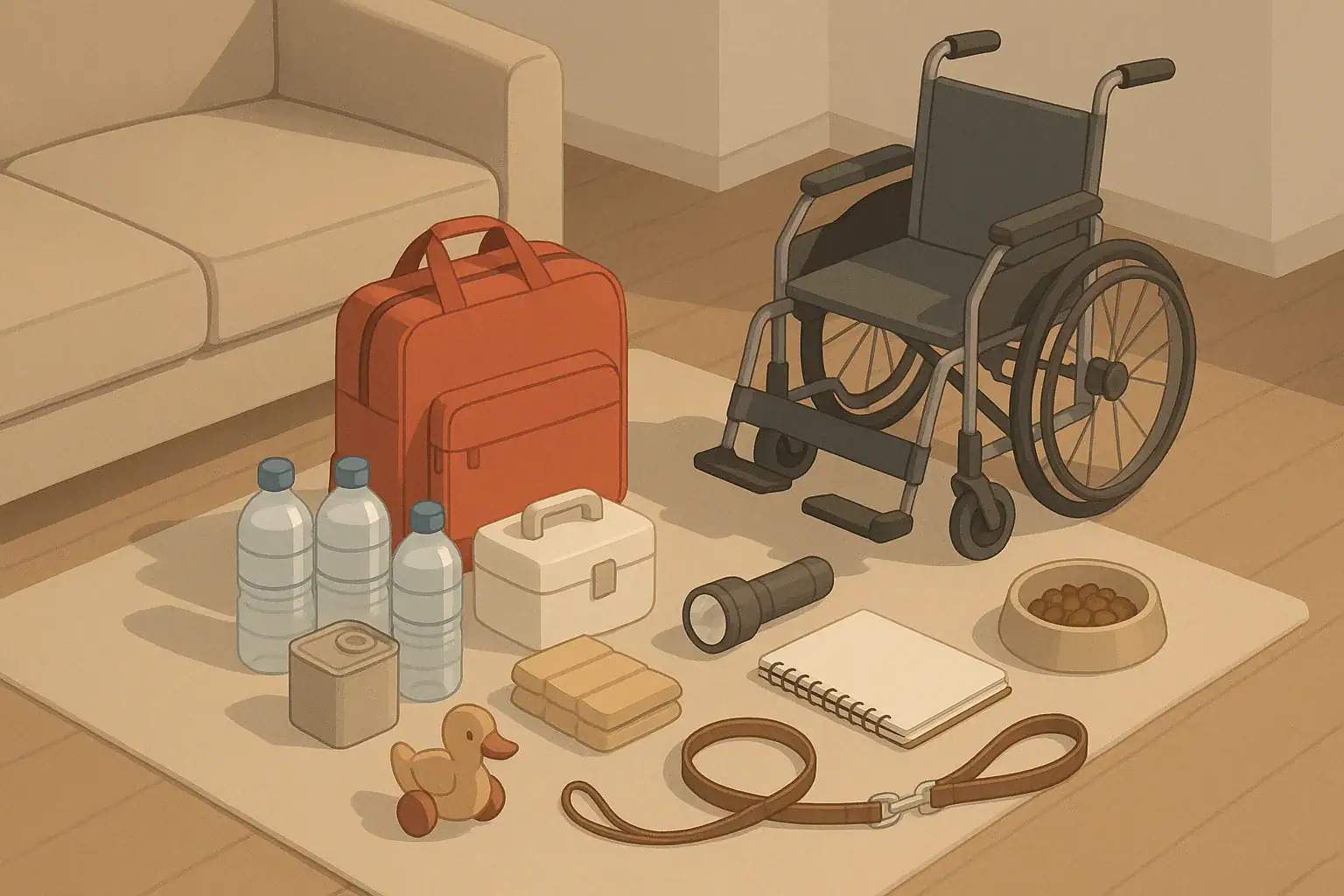
Why Emergency Readiness Looks Different for Wheelchair Users
Emergency readiness is not about worst-case scenarios; it is about making everyday disruptions safer and less stressful. For wheelchair users, even a short power outage, blocked hallway, or elevator shutdown can turn into a serious mobility challenge.
This guide focuses on practical, home-based planning for people who use wheelchairs and the families, roommates, or caregivers who support them. The emphasis is on realistic, short-term events such as:
- Power outages lasting a few hours to a couple of days
- Water disruptions or boil-water advisories
- Apartment elevator failures
- Winter storms, heatwaves, or heavy smoke days
- Localized evacuations for fire, gas leaks, or flooding
The goal is to keep you as independent and safe as possible by planning around three key areas: exits, transfers, and backup help.
Assessing Your Home: Exits and Everyday Movement
The first step is understanding how you move in and out of your home under normal conditions, then adjusting that plan for when things are harder—like in the dark, during bad weather, or if an elevator is out.
Know Your Primary and Backup Exits
Walk through your home and building with a focus on exits:
- Primary exit: The way you usually come and go (front door, building lobby, garage ramp).
- Secondary exit: Another route you could use if the primary is blocked (back door, patio, different hallway, alternate building entrance).
For each exit, note:
- Thresholds, steps, or narrow doorways that might slow wheelchair movement
- Areas that could clutter easily (shoes, boxes, recycling) and become obstacles
- Lighting at night or during a power outage
- How far you must travel inside the building to reach a safer area or outdoors
If you live in an apartment or condo, ask building management about:
- Evacuation plans for residents who use mobility devices
- Areas of refuge or safe waiting spots near stairwells
- Whether staff are trained to assist wheelchair users in an emergency
Clear, Simple Pathways
In a stressful moment, clutter and tight turns can be more dangerous than the emergency itself. Aim to keep at least one clear, wheelchair-friendly pathway from your main living area to your primary exit.
- Reduce or relocate items that stick out into hallways.
- Secure loose rugs or remove them from primary routes.
- Consider simple nightlights along the route if outlets are available.
For multi-level homes, decide in advance which floor you would shelter on if stairs or lifts are unsafe or unusable, and plan around that space.
Example values for illustration.
| Task | Why it matters | Notes |
|---|---|---|
| Identify primary and backup exits | Gives options if one route is blocked | Mark them mentally and talk through with household |
| Measure doorway and hallway widths | Ensures wheelchair can pass quickly | Note tight spots and keep them uncluttered |
| Clear one main path to the exit | Reduces bumps and transfer risks | Check weekly for new obstacles |
| Plan safe waiting areas | Gives a known spot if you cannot exit alone | Near a window or stairwell if building plan allows |
| Add simple lighting for outages | Makes nighttime movement safer | Store flashlights or battery lights along the route |
| Share exit plan with neighbors | Increases chance of timely assistance | Choose at least two people you trust |
Transfers and Safe Movement During Disruptions
Transfers—from wheelchair to bed, toilet, car, or floor—are already skill-dependent. In emergencies, you may need to do them in low light, on different surfaces, or with people who do not know your routine. Planning ahead can reduce strain and injury risk.
Map Your Critical Transfers
List the transfers you rely on in a typical day and consider how they would work in a power outage or evacuation. Common examples include:
- Bed to wheelchair and back
- Wheelchair to toilet or shower bench
- Wheelchair to car, rideshare, or accessible van
- Wheelchair to floor and back, if you use floor transfers
For each, ask:
- Do I use grab bars, rails, or powered lift equipment?
- What changes if lights, elevators, or power-assisted beds do not work?
- What minimal equipment do I need to make this transfer safer?
Low-Tech Transfer Supports
Even if you normally use powered devices, it can help to have simple, low-tech tools available. Talk with your care team or therapist about what is right for you, but common items people consider include:
- Non-slip mats near bed, toilet, and shower areas
- Sturdy, stable chair or bench positioned where you might need to rest
- Transfer boards or slide sheets, if appropriate for your abilities
- Extra pillows or rolled towels to support positioning
Label or color-code key items so they are easy for helpers to identify and hand to you, even in dim light.
Lighting and Orientation During Transfers
Being able to see edges, grab bars, and floor surfaces makes transfers safer. In case of a power outage:
- Keep a flashlight or battery light within arm’s reach of the bed and main seating area.
- Consider a small, battery-powered light in the bathroom or hallway.
- Store backup batteries near lights, in a container that is easy to open and reach.
Practice switching on these lights from your usual positions so it feels automatic if power goes out unexpectedly at night.
Backup Help: People, Communication, and Clear Instructions
For many wheelchair users, the most important part of emergency readiness is backup help from people: family, neighbors, building staff, or friends. Planning how and when to ask for help makes it easier for others to support you safely.
Build a Small Support Circle
Identify at least three people you could contact in an emergency:
- Neighbors on the same floor or in the same building
- Friends or family within a short drive
- Caregivers, aides, or support workers, if applicable
Share simple information with them in advance, such as:
- Where your main exits are and any obstacles to watch for
- Whether you can transfer independently or need hands-on help
- How to move or push your wheelchair safely
- Where you keep key supplies like extra cushions, gloves, or blankets
Communication When Power or Elevators Fail
If an elevator or power outage leaves you unable to exit, communication becomes essential. Consider:
- Keeping your phone charged as much as possible during bad weather alerts or heatwaves.
- Storing a small, battery-powered or hand-powered radio where you can reach it to receive local updates.
- Writing down key phone numbers and apartment details on paper, kept in a known spot, so others can call for you if needed.
Agree on simple check-in plans with your support circle. For example, during severe weather forecasts, you might agree that someone texts or calls you once in the evening to be sure you are okay and have what you need.
Emergency Info Sheet for Helpers
Creating a short, written instruction sheet can make it easier for helpers to assist you in a way that matches your usual routines. Consider including:
- Preferred ways to assist with transfers (for example, which side to stand on)
- How to lock and unlock your wheelchair and remove footrests if necessary
- Comfort and safety notes, like cushions that should stay in place
- Where to find important items such as spare wheelchair parts or gloves
Keep this sheet in a visible place, such as on the fridge or near your main seating area, and let your support circle know where it is.
Power Outages: Mobility, Comfort, and Safety
Power outages can affect much more than lighting. For wheelchair users, power loss might impact elevators, powered wheelchairs, lifts, adjustable beds, heating and cooling, and medication storage.
If You Use a Powered Wheelchair or Scooter
Think about what you would do if your device could not charge for 24–48 hours. Some people:
- Charge devices fully when bad weather warnings or heat advisories are issued.
- Limit non-essential trips during an outage to conserve battery power.
- Keep a manual wheelchair as a backup, if space and budget allow.
- Know how to switch the chair to free-wheel mode so others can push it safely.
If you live in a building with elevators, consider how you would manage if the elevator were not working for a day or longer. You might plan to stay on one floor, arrange help for getting supplies, or work with building management on a temporary assistance plan.
Staying Comfortable Without Heating or Cooling
Many wheelchair users are more sensitive to temperature changes. Without making health claims, some common comfort strategies people use in short outages include:
- For heat: battery-powered fans, cool cloths, light clothing, and staying on lower floors if cooler.
- For cold: layered clothing, blankets, hats, and focusing on heating one smaller room that is easier to keep warm.
Arrange blankets, extra clothing, or cooling items so you can reach them without needing to cross the room.
Lighting, Alarms, and Signals
Maintain safe visibility and awareness during outages by:
- Placing flashlights or battery lanterns at wheelchair height in key rooms.
- Checking that smoke and carbon monoxide alarms have working batteries.
- Discussing visual or tactile signals with household members (for example, tapping on a table or shining a light toward your room) if voice calls are hard to hear.
Water, Hygiene, and Short-Term Essentials
Water disruptions and short-term sheltering at home can be more complicated if you use a wheelchair, especially for hygiene and bathroom access. Planning for a few days at home can make a big difference.
Water for Drinking and Daily Use
Many households find it helpful to keep some stored water for short disruptions. General ideas include:
- Storing water in containers that are light enough to move from a wheelchair.
- Using smaller bottles you can lift instead of only large containers.
- Keeping a pitcher or bottle near your usual seating area for easier access.
If tap water is still available but under a boil advisory, someone in your support circle may be able to help with boiling and cooling water or bringing packaged water.
Bathroom and Hygiene Planning
Think through how you will manage bathroom use and hygiene if water service is limited or if it is harder to get to the bathroom. Some people:
- Keep extra toilet paper, wipes intended for personal use, and disposable gloves on hand.
- Store trash bags, sealable bags, and basic cleaning supplies nearby for safe disposal.
- Plan for sponge baths or no-rinse cleaning methods if showers are not practical.
Arrange supplies so they can be reached from your wheelchair without stretching, and let helpers know where everything is stored.
Go-Bags and Stay-at-Home Kits Tailored to Wheelchair Users
Emergency kits do not need to be large or expensive. For wheelchair users, it is more important that essentials are reachable, portable, and specific to your mobility needs.
Stay-at-Home Essentials
A simple stay-at-home kit, stored near your main living area, might include:
- Flashlights or battery lanterns and extra batteries
- Portable phone charger, if you use one
- Basic first-aid supplies and items you use regularly
- Non-perishable foods you can open and eat without cooking
- Water in containers you can lift from your wheelchair
- Spare wheelchair parts you commonly need (for example, an extra inner tube or small tools)
Store these items at a height you can access independently, such as on a low shelf or in a drawer by your usual chair.
Go-Bag Considerations for Wheelchair Users
If officials recommend leaving your home quickly, a small go-bag can save time. For wheelchair users, consider:
- A bag that can hang from your wheelchair or be placed on your lap.
- Copies of important documents in a waterproof sleeve (for example, ID copies and emergency contact information).
- Small, essential tools or parts for your wheelchair.
- Comfort items like a lightweight blanket or scarf.
- Basic hygiene items, including those you rely on to manage skin comfort from sitting.
Practice placing the bag on your chair or lap so you know it will not interfere with wheels or footrests.
Example values for illustration.
| Food type | Storage tip | Rotation interval idea | No-cook use |
|---|---|---|---|
| Canned beans | Store at wheelchair-height shelf | Use and replace every few months | Mix with seasoning for simple protein snack |
| Nut butters | Keep in cool, dry cabinet | Rotate during regular grocery trips | Spread on crackers or fruit |
| Crackers or dry bread snacks | Seal tightly after opening | Check freshness every month | Pair with canned items for quick meal |
| Ready-to-eat soups | Group by flavor for easy access | Use oldest cans first | Eat at room temperature if heating is not available |
| Instant oatmeal packets | Store in a dry container | Rotate seasonally | Can be mixed with room-temperature liquid |
| Shelf-stable milk or milk alternatives | Keep away from heat sources | Use before date shown on package | Drink alone or with cereal |
Practicing Your Plan Without Panic
Emergency readiness for wheelchair users is most effective when it is simple, familiar, and practiced occasionally. You do not need to rehearse dramatic drills. Instead, you can:
- Walk through your clear pathway to the exit once in a while and remove new obstacles.
- Test your flashlights and replace batteries that are weak.
- Review your support circle contacts and send a quick message to confirm numbers.
- Use items from your pantry and stay-at-home kit in everyday meals, then replace them.
Small, steady steps help you feel more prepared for everyday disruptions like short outages, water issues, or temporary elevator failures. The aim is not perfection; it is to give you more control, safer options, and clearer communication when something unexpected happens.
Authoritative sources
Safety recommendations can change. Confirm critical details with current official guidance and local authorities.
- CDC: Carbon Monoxide Poisoning Basics
- USDA FSIS: Keep Food Safe During Emergencies
- U.S. CPSC: Battery Safety
Frequently asked questions
How can wheelchair users prepare for elevator outages in apartment buildings?
Ask building management about evacuation plans, areas of refuge, and whether staff are trained to assist residents who use mobility devices. Identify primary and backup exits, plan to stay on a single floor if necessary, and coordinate a small support circle who can help with supplies or moving you if elevators are out.
What should be included in a go-bag specifically for wheelchair users?
Include compact, reachable essentials such as copies of ID and emergency contacts in a waterproof sleeve, a portable phone charger, small wheelchair tools or spare parts, any essential medications, and a lightweight blanket or seat cushion. Use a bag that can hang on the wheelchair or sit on your lap without interfering with wheels or footrests.
How can I maintain mobility if my powered wheelchair loses charge during a power outage?
Charge devices in advance when severe weather is forecast and conserve battery by limiting non-essential trips. Know how to switch your chair to free-wheel mode so it can be pushed safely, and consider having a manual wheelchair or local helpers identified in your support circle as a backup.
Which low-tech transfer aids are most useful during short-term emergencies?
Common low-tech items that improve safety include transfer boards, non-slip mats near beds and toilets, a sturdy chair or bench for interim rests, slide sheets if appropriate, and extra pillows or rolled towels for positioning. Labeling these items and consulting a therapist on correct use helps helpers provide safe assistance.
How should I communicate with helpers if phones, power, or elevators are unreliable?
Keep a printed list of key contacts and apartment details in a known spot, store a battery-powered or hand-crank radio for local updates, and agree on simple check-in plans with your support circle during severe weather. Also keep an emergency info sheet visible that explains your transfer preferences and where supplies are stored.
- Simple checklists and realistic planning
- Water, power, lighting, and pantry basics
- Family plans (kids, pets, seniors) and seasonal prep
Affiliate disclosure
As an Amazon Associate, we earn from qualifying purchases. Some links on this site may be affiliate links. If you buy through these links, we may earn a small commission at no extra cost to you. This helps support our content. Learn more.