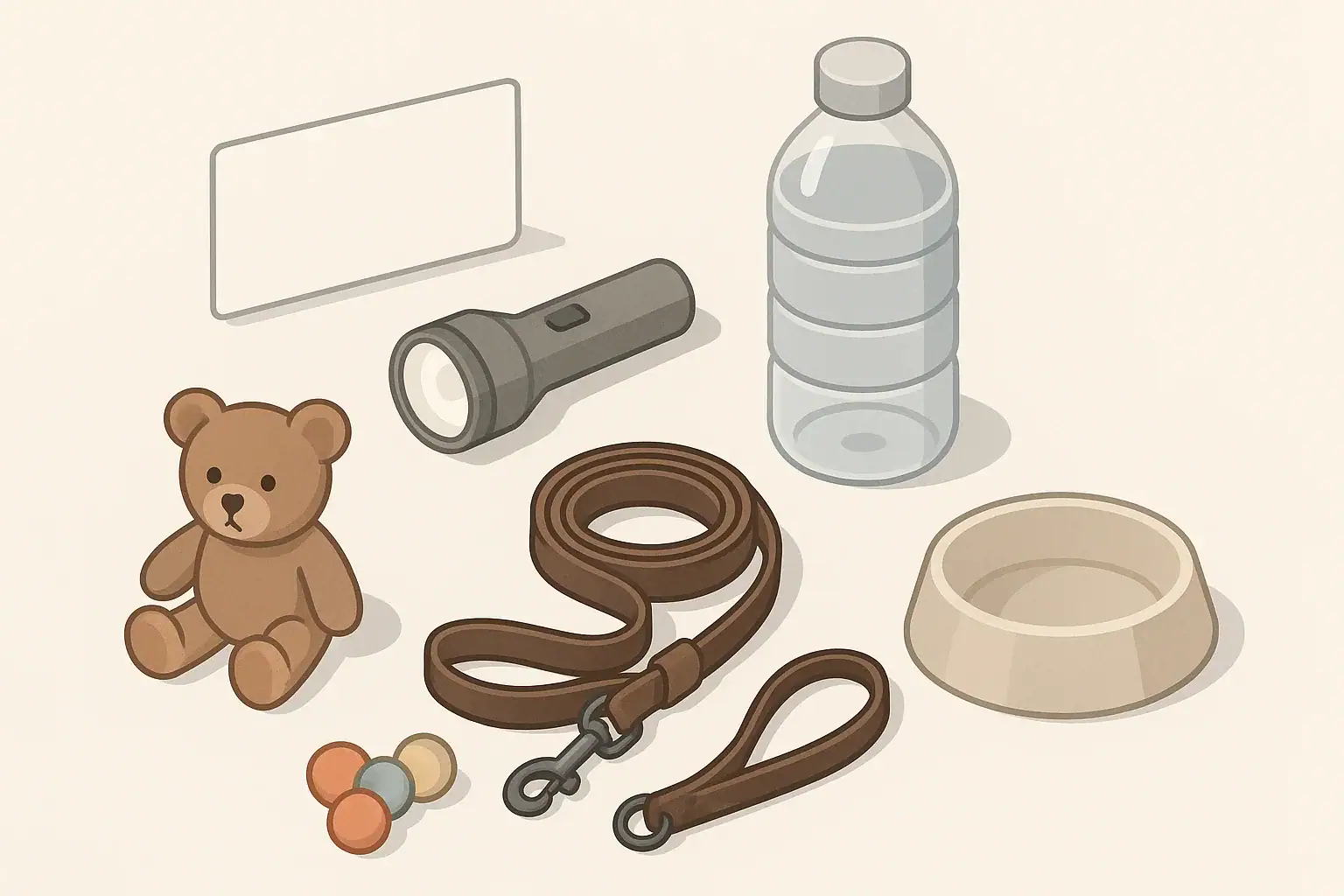
Why a Sleepover Emergency Info Card Matters
Sleepovers are a normal part of growing up, but they also mean your child is away from you if something unexpected happens. A simple sleepover emergency info card helps the host family reach you quickly, understand your child’s basic needs, and make calm choices if plans suddenly change.
This is not about expecting the worst. It is about giving another adult enough information to handle everyday problems: a power outage, a storm that changes timing, a late-night upset stomach, or a child who simply wants to come home. A short, clear card keeps details in one place so the host is not searching through old messages when time feels tight.
You can keep the card very simple: one half-sheet of paper, a small laminated card, or a phone screenshot that you send in advance and again when you drop off your child. The key is that it is easy to read and easy to find.
Core Details Every Sleepover Info Card Should Include
At minimum, a sleepover emergency info card should cover how to reach you, who else can help, and any information that could change how a host responds in a hurry. Think of it as a quick-reference snapshot of your child and family, not a medical chart.
Essential Contact Information
Give more than one way to reach you and at least one backup adult. Make it clear who should be called first, second, and so on.
- Parent/guardian 1: name, mobile number, and general location (for example, “home,” “nearby,” or “working across town”).
- Parent/guardian 2 or co-parent: name and mobile number.
- Backup contact: nearby trusted adult who can pick up your child if you cannot get there quickly.
- Preferred contact order: a short note such as “Call Mom first, then backup neighbor if no answer.”
Child Identification Basics
Include only what the host would reasonably need in an urgent situation. This helps if authorities or medical staff need quick information and you are not immediately available.
- Child’s full name and nickname (if used).
- Age and school grade.
- Any important language details (for example, “shy with strangers, understands English and Spanish”).
Key Health and Comfort Notes (Without Getting Too Technical)
Keep health information short and practical. The goal is to help another adult avoid preventable problems and respond calmly, not to share your child’s entire medical history.
- Allergies or sensitivities that matter for food, pets, or common sleepover activities.
- Current everyday medications that affect timing (such as something taken at bedtime or first thing in the morning, if you expect that to continue during the sleepover).
- Basic comfort notes, like “often gets homesick after 9 pm” or “may sleep with a nightlight or door slightly open.”
Household Information That Helps in an Emergency
The host already knows their own address, but it can help to write it on your card in case another responder is using your information. Include:
- Host’s last name and address, if the host is comfortable sharing and you have it written down correctly.
- Your home address, in case the host needs to share it with another adult picking up your child.
- Any local notes that might matter in a storm or power outage, such as “apartment on 5th floor” or “gate code needed.”
Example values for illustration.
| Item | Why it matters | Example note to include |
|---|---|---|
| Main parent contact | Gives host a first call target | “Call Alex (parent) first: ###-###-####” |
| Backup adult | Covers if parents are unreachable | “Neighbor Pat can pick up if needed” |
| Child info | Helps if others respond | “Jamie, 9 years old, 4th grade” |
| Allergy summary | Prevents avoidable reactions | “No peanuts; pet dander causes sneezing” |
| Comfort note | Reduces homesickness or anxiety | “Gets nervous in dark rooms” |
| Pickup plan | Clarifies who is allowed to drive child | “Only listed adults may pick up” |
| Host address | Useful if someone else picks up | “Staying at Smith home, townhouse near park” |
Safety Information to Share Before a Sleepover
Beyond the basics, a little shared planning makes a big difference if something interrupts the night: bad weather, a neighborhood power outage, or a plumbing problem. You do not need to cover every possible scenario, just the ones that are realistic where you live.
How to Reach You During Power Outages or Storms
If your area has occasional storms or outages, let the host know what usually works best to reach you. For example:
- Which phone number typically gets the best signal.
- If you keep your phone on loud for sleepovers, even overnight.
- Whether there is another nearby adult they should try if cell service is spotty.
You can add a simple line on the card, such as “During storms, text first, then call backup neighbor if no response within a few minutes.”
House Rules Around Transportation and Pickups
Clear pickup rules reduce confusion when a plan changes late at night. Include on the card:
- Who is allowed to pick up your child (listing names and relationships).
- Whether you are comfortable with the child riding with other families, or prefer only your household or listed adults.
- Any timing limits, like “Please call us first if considering a late-night drive in poor weather.”
A simple, written plan lets the host act quickly without trying to interpret last-minute texts.
Basic Phone Tree for Your Family
You can keep this very short. It is just a list of who to notify if there is a problem, in what order:
- First: primary parent or guardian.
- Second: other parent or caregiver.
- Third: local relative or neighbor.
Even one line, such as “If emergency: call Mom, then Dad, then Aunt near the host’s home,” helps another adult act calmly when time feels tight.
Health, Allergies, and Comfort: What Hosts Need to Know
Health and comfort details are often where parents feel unsure about how much to share. The goal is to give the host enough information to avoid preventable problems and to keep your child comfortable, without overwhelming them.
Allergies and Sensitivities in Plain Language
Use everyday language rather than long lists. Focus on what the host would actually need to avoid or watch for during a normal evening and breakfast.
- Food allergies or ingredients to avoid.
- Pet-related concerns (for example, “cats cause sneezing and itchy eyes”).
- Outdoor triggers likely to come up, such as heavy pollen in the yard at certain times of year.
Let the host know what helps in a mild situation, such as moving away from a trigger or washing hands, and when you would want them to contact you.
Medications and Routines
If your child has any regular medication that would fall during the sleepover, discuss this with the host directly in advance and write only the essentials on the card, such as timing reminders and what you prefer them to do.
- State whether you will send any medication with the child.
- Clarify whether the host should simply remind the child or actively supervise.
- Note how you want them to handle missed or delayed doses (for example, “If bedtime dose is forgotten, please call us for instructions.”).
Sleep Habits and Nighttime Needs
Many sleepover challenges are not emergencies at all, just normal kid behavior in a new place. Sharing a few notes helps the host avoid avoidable stress.
- Typical bedtime window and how flexible it can be.
- Whether your child usually sleeps through the night or often wakes.
- Comfort items: favorite stuffed animal, blanket, small light on, or door cracked open.
- Any common nighttime worries, like fear of storms or unfamiliar noises.
Encourage your child to mention these habits as well, so the host hears it from both you and the child.
Behavior, Boundaries, and Digital Expectations
Social expectations are just as important as phone numbers. A short section on your card can cover what helps your child feel safe, how you handle screens, and any specific boundaries you want respected.
Behavior Notes That Make the Night Easier
You do not need to share everything about your child’s personality, but a few practical notes can help the host interpret behavior correctly.
- Shyness level around new adults or kids.
- How your child usually expresses discomfort (for example, “gets very quiet rather than speaking up”).
- Strategies that help, such as “does better if given a five-minute warning before changing activities.”
This kind of information can prevent misunderstandings and keep the sleepover enjoyable for everyone.
Screen Time and Device Use
Expectations around phones, tablets, and gaming can vary widely between households. A short note avoids confusion later.
- Whether your child is bringing a phone or device.
- Whether you prefer the host to hold the device overnight or allow limited use.
- General guidelines like “ok with group movies, prefer no late-night scrolling alone.”
Write only a simple reminder on the card, then have a brief spoken agreement with the host. Written notes support, not replace, the conversation.
Social Media and Photos
Some families share photos freely; others keep them private. If you have preferences, include a short, polite line such as:
- “We prefer no identifiable photos of our child on social media.”
- “Photos are fine to share directly with us, but not posted publicly.”
This keeps everyone on the same page without putting the host on the spot later.
Planning for Common Disruptions and Small Emergencies
Most sleepover “emergencies” are minor: a power flicker, child upset at midnight, or a weather alert that changes plans. Your card can gently guide how you would like those moments handled, especially if you live in an area with seasonal storms or outages.
If Your Child Wants to Come Home Early
This is one of the most common sleepover issues. A short plan written in advance reduces pressure for everyone:
- State clearly that you are always willing to pick up your child, no matter how late.
- Tell the host whether you prefer a call or text if your child is upset.
- Mention any simple comfort steps to try first, such as reading quietly or moving to a quieter room.
On the card, a line like “If homesick: reassure and offer quiet time; if still upset, please call us anytime for pickup” covers most situations.
Weather Changes, Power Flickers, and Local Alerts
If you live in an area with seasonal storms, snow, or heatwaves, you may already have simple home plans. You can extend those plans to sleepovers with a few written notes:
- How you usually respond to local weather alerts (for example, “We stay put unless officials advise otherwise.”).
- Whether you would want your child picked up before conditions worsen, if that is realistic and safe.
- What you expect if there is a short-term power outage: stay and continue the sleepover, or call for pickup as soon as it is practical.
You do not need to predict every detail. A simple statement of your comfort level helps the host avoid guessing.
Minor Illness or Upset Stomachs
Kids can feel unwell unexpectedly, especially when sleep is short and excitement is high. Your card can give the host basic guidance, such as:
- When you would like to be called about a headache, upset stomach, or mild fever.
- Whether you are comfortable with the host offering basic home comfort measures you have approved in advance.
- At what point you want your child picked up, even if they insist they want to stay.
These notes help the host weigh your child’s wishes against your family’s usual approach.
Pets, Special Items, and Other Practical Details
Finally, round out your sleepover emergency info card with the small details that are easy to forget in a busy doorway handoff, but make a big difference for comfort and safety.
Pets at the Host Home and Your Child’s Needs
Pets are a big part of many homes and can be a source of joy or discomfort. Share:
- Whether your child is comfortable with dogs, cats, or other animals.
- Any past issues such as fear of large dogs or concern about animals in sleeping areas.
- Simple suggestions, like “does better if allowed to approach pets slowly, not all at once.”
If your child has pets at home who depend on their routine, you might also note who is caring for them, just to reassure your child and the host that everyone is looked after.
Comfort Objects and Nighttime Gear
Encourage your child to pack a small set of familiar items, and list them on the card so the host knows what matters if something goes missing.
- Named comfort object (for example, “small gray stuffed animal”).
- Preferred pajamas or sleepwear, especially if temperature or fabric matters.
- Any simple sleep gear like earplugs or eye mask if your child is used to them at home.
These items help the sleepover feel more like an extension of home rather than a big leap into the unknown.
Simple Communication Plan for Your Child
In addition to the host’s plan, give your child a simple way to reach you without feeling like they are breaking rules:
- Agree on one check-in time by message or quick call, if appropriate.
- Explain that they can always ask the host to call you if they are uncomfortable.
- Remind them where the info card is, so they know the host has what they need.
You can also encourage the host to show your child where the household’s basic supplies are, such as flashlights and extra blankets, so they feel more at ease if anything changes overnight.
Example values for illustration.
| Who to contact | Method | Fallback | Meeting point note |
|---|---|---|---|
| Primary parent | Call or text mobile | Call second parent after a few minutes | Pickup at host’s front door |
| Second parent or caregiver | Call mobile | Contact local backup adult | Meet at nearby street corner if access is blocked |
| Local backup adult | Call or knock if neighbor | Leave brief voicemail and text parents | Bring child to backup home until parents arrive |
| Sibling or relative in area | Text first, then call | Coordinate with host parents | Agree on pickup spot that is well lit |
| Designated driver | Call directly | Ask backup adult if they can drive | Share estimated arrival time with host |
| Non-local parent | Text update and call if needed | Use messaging if calls fail | Stay informed even if not picking up |
Bringing It All Together in a Simple Card
A sleepover emergency info card does not need to be long or complicated. One side can list contacts, addresses, and pickup rules. The other side can summarize health, comfort, and any quick notes about behavior, pets, or weather plans.
You can reuse the same basic card for future sleepovers and update small details as needed. Keep a copy for yourself, send one to the host in advance, and hand over a printed version at drop-off. This small step supports calm, clear decisions if the unexpected happens, while allowing kids to enjoy time with friends and build independence in a thoughtful way.
Authoritative sources
Safety recommendations can change. Confirm critical details with current official guidance and local authorities.
- U.S. CPSC: Battery Safety
- CDC: Guidelines for Cleaning Safely After a Disaster
- Ready.gov: Preparedness Tips for People with Disabilities
Frequently asked questions
What information should be included on a sleepover emergency info card?
Include primary and backup contact numbers, who is authorized to pick up, the child’s full name and age, known allergies, current medications with timing, and brief nighttime comfort needs. Add the host address and any simple pickup rules. Keep it concise so a host can find key details quickly.
How should I share the sleepover emergency info card with the host and my child?
Send a screenshot or text the card in advance, hand a printed copy at drop-off, and verbally confirm any medication or pickup arrangements with the host. Also tell your child where the card is so they can point the host to it if needed.
How much medical detail is appropriate to put on the card?
Keep medical details short and practical: list allergies, daily medications with timing, and any emergency action steps for serious conditions. Avoid long medical histories; offer to provide more detailed records if the host requests or in case of an emergency.
Should I include social media or photo permissions on the card?
Yes—briefly note whether photos of your child may be posted publicly or only shared directly with you. This clarifies expectations and prevents misunderstandings after the sleepover.
What is the best way to handle medications during a sleepover?
Discuss medication plans with the host beforehand and note on the card whether you are sending medication and whether the host should administer it or just remind the child. Provide clear timing instructions and ask the host to call you before making medical decisions beyond the agreed plan.
- Simple checklists and realistic planning
- Water, power, lighting, and pantry basics
- Family plans (kids, pets, seniors) and seasonal prep
Affiliate disclosure
As an Amazon Associate, we earn from qualifying purchases. Some links on this site may be affiliate links. If you buy through these links, we may earn a small commission at no extra cost to you. This helps support our content. Learn more.