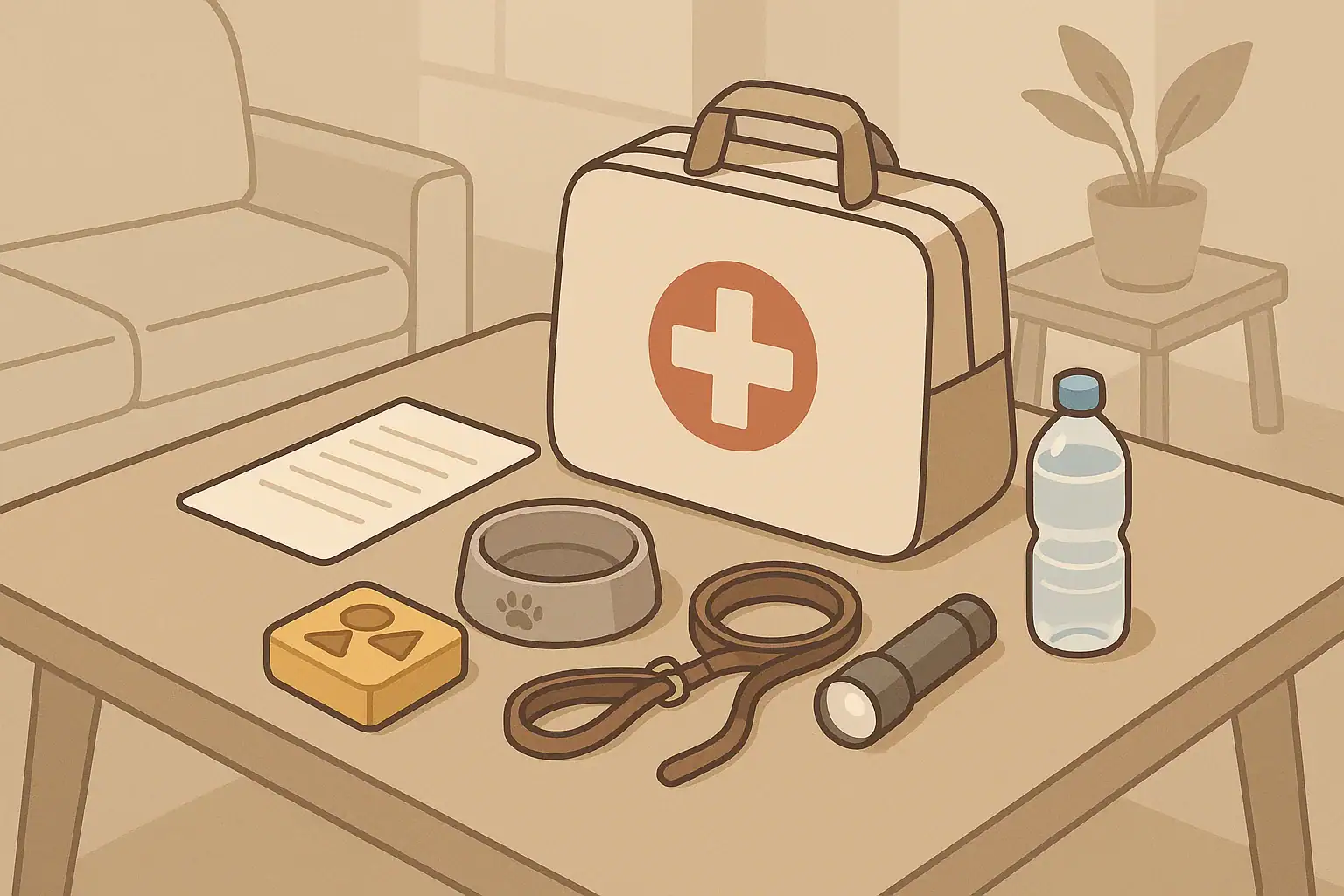
Why a Caregiver Emergency Handoff Sheet Matters
A caregiver emergency handoff sheet is a simple document that helps someone step in quickly if you cannot provide care yourself. It is especially helpful for families with children, older adults, people with disabilities, or pets that depend on daily routines and medication schedules.
The goal is not to prepare for extreme disasters. Instead, this sheet supports realistic situations such as:
- A sudden trip to urgent care or the hospital
- Being stuck at work or in traffic during bad weather
- A short power outage or local disruption that delays you getting home
- A caregiver coming to stay overnight during a storm or heatwave
When information is written down clearly, emergency or backup caregivers do not have to guess. This can reduce stress for everyone and helps keep home life stable even when plans change.
What to Include on a Caregiver Emergency Handoff Sheet
A good handoff sheet is short, legible, and easy to find. It should summarize the most important information someone needs to keep the person or pets in their care safe and comfortable for at least 24–72 hours.
Basic Identity and Household Information
Start with simple, clear details so a temporary caregiver knows who is who and where they are.
- Names and ages of people receiving care
- Preferred names or nicknames
- Address, apartment number, gate code (if relevant)
- Location of key items (for example: medications drawer, pet food container, flashlight, water shutoff, main breaker)
Key Medication Information
Many households rely on daily medications or supplies. Your handoff sheet should highlight the essentials in plain language. Avoid detailed medical advice; focus on what a caregiver has to do.
- Medication name (as written on the bottle or package)
- Who it is for
- Usual dose and timing (for example: “1 pill after breakfast and 1 pill after dinner”)
- How it is given (by mouth, inhaler, dropper, etc.)
- Where it is stored (kitchen cabinet, bedroom basket, locked box)
- Any common side effects the regular caregiver watches for, described simply
- What to do if a dose is missed, if this has already been discussed with a clinician (for example: “Call me and follow pharmacist’s label instructions”)
If you are unsure what to write about medications, keep it simple and direct caregivers back to the regular prescriber or pharmacist for medical questions.
Daily Routines and Comfort Items
For many people, routines are just as important as medications. Predictable patterns can keep children, older adults, and pets calm, especially during power outages, storms, or other short-term disruptions.
- Wake-up and bedtime patterns
- Typical meal and snack times
- Preferred foods and any known food sensitivities (in general terms)
- Nap times or rest breaks
- Bathroom routines or reminders
- Screen time or entertainment limits you follow
- Soothing items: favorite blanket, toy, music, or activity
Include small notes about what usually helps in stressful moments, such as, “Offer headphones and quiet time in bedroom when overwhelmed,” or, “Dog calms down with a short walk and a chew toy.”
Example values for illustration.
| Task | Why it matters | Notes |
|---|---|---|
| Add names, ages, and address | Helps responders and backup caregivers confirm who is present | Include apartment or unit numbers |
| List current medications and timing | Reduces missed doses during sudden schedule changes | Copy from prescription labels |
| Describe daily routines | Keeps sleep and meals predictable in disruptions | Note typical nap and snack windows |
| Record emergency and backup contacts | Ensures someone reachable can give guidance | Include at least one out-of-area contact |
| Mark locations of key supplies | Saves time finding medications, flashlights, or pet gear | Keep wording simple and specific |
| Note special needs or mobility limits | Helps caregivers plan safe movement during power loss | Mention mobility aids or assistive devices |
| Include simple comfort strategies | Supports emotional stability in stressful moments | List favorite toys, topics, or music |
Essential Contacts and Communication Plans
In many short-term emergencies, the most helpful action is simply reaching the right person quickly. A caregiver emergency handoff sheet should gather contact information in one place so a backup caregiver is not searching through phones or accounts.
Core Emergency Contacts
Include at least one contact in each category when possible:
- Primary caregiver (you) – cell phone and another method if possible
- Second adult in the household or co-parent
- Nearby family or trusted friend who can come to the home
- Out-of-area contact who is unlikely to be affected by the same local event
- Regular pediatrician, primary care office, or clinic main number
- Local non-emergency line for police or fire, if that is common in your area
- Property manager or building superintendent, especially for apartments
Make it clear when to call each person. For example, a simple note such as, “Call nearby aunt if I do not answer after 10 minutes,” or, “Call building manager for plumbing or electrical issues.”
Communication During Power Outages or Disruptions
Short-term emergencies often involve power or cell service interruptions. Your handoff sheet can give basic guidance, without being complicated:
- Where you keep any backup battery packs or battery-powered radios
- Which devices should be charged first if power returns briefly
- Preferred ways to save battery (texting instead of long calls, dim screen brightness)
- A simple plan if phones are not working, such as going to a neighbor you trust
The idea is to keep communication practical: how to reach help, how to keep devices powered, and what to do if technology is not available for a while.
Adapting the Handoff Sheet for Kids, Seniors, and Pets
Different households have different needs. You can use one main template and then add short sections for children, older adults, and pets.
Children and Teens
For children, a handoff sheet should focus on safety, comfort, and realistic expectations for school days, weekends, and short-term disruptions.
- School name, grade, and usual pickup and drop-off routine
- Approved adults for pickup, with phone numbers
- Allergies or dietary restrictions stated plainly
- Any learning or behavioral supports that matter at home
- How they respond to storms, loud noises, or darkness
- Basic house rules about visitors, screens, and going outside
If your area has seasonal risks such as winter storms, heatwaves, or wildfire smoke, you can add one sentence about what you usually do with kids in these situations, for example, “We usually stay inside with shades closed and use indoor games during heavy smoke days.”
Older Adults and People With Mobility Limits
For older adults or anyone with mobility challenges, clear notes can help caregivers support safe movement around the home, especially if elevators stop working or lighting is limited.
- Use of walkers, canes, or wheelchairs, and where they are stored
- Preferred way of going up or down stairs, if necessary
- Support needed for bathing, dressing, or transfers
- How often they usually change position or need help moving
- Any equipment that depends on power, such as mobility devices or communication aids
If someone relies on electrically powered medical or mobility equipment, keep separate backup power plans from a clinician or equipment provider. The handoff sheet only needs to say where that plan is stored and who to call for equipment questions.
Pets and Emotional Support Animals
Pets often feel changes in routine very strongly. A short section for each animal helps a backup caregiver keep them calm and safe.
- Pet’s name, species, breed (if known), and approximate age
- Feeding times and amounts in simple terms (“Morning and evening; small scoop each time”)
- Location of food, bowls, litter, leash, waste bags, or carrier
- Regular walking or play schedule
- Typical fears (for example, thunder, fireworks, sirens)
- Any medications, with timing and how to give them
Include a brief instruction for evacuations or building issues, such as, “Use soft carrier under bed for cat; keep door closed until ready to move.”
Organizing Paper and Digital Copies
A handoff sheet only helps if someone can actually find it. Keeping both paper and digital versions increases the chances that a caregiver can access the information during a local emergency, power outage, or simple busy day.
Where to Keep Paper Copies
Place printed copies in obvious, consistent locations:
- On the inside of a kitchen cabinet door
- In a clear sleeve on the refrigerator side
- In a folder marked “Caregiver Info” in the entryway or living room
- Inside a go-bag or overnight bag kept near the door
Tell frequent babysitters, visiting relatives, and neighbors where to find the sheet. A simple sentence such as, “If something comes up, the caregiver sheet is in the kitchen cabinet by the stove,” can be enough.
Digital Storage and Sharing
Digital copies are useful if you are away from home or if a caregiver has a smartphone but not immediate access to your paper files.
- Save a current version as a PDF or simple document on your phone
- Share it securely with trusted adults via email or shared folders
- Keep a copy in a secure notes app if you use one
- Consider a printed summary with a note: “Full sheet also available from me by text or email”
When you send digital copies, remind people not to forward them widely, since they contain personal details such as names, ages, and contact information.
Keeping the Handoff Sheet Updated
Life changes quickly. New medications are added, kids change schools, and phone numbers get updated. A caregiver emergency handoff sheet is most useful when it reflects current reality.
Simple Update Routine
To keep the sheet useful without turning it into a chore, connect updates to events that already happen in your life:
- Review when school schedules change or a new semester starts
- Update after any new prescription or change in dosage
- Check contact numbers at the start of each season
- Reprint if there are major changes to routines or living arrangements
Use a clear date on the top of the sheet such as “Updated: March 2026” so caregivers can see how recent it is at a glance.
Connecting to Other Home Readiness Plans
Your handoff sheet can tie into simple, low-stress home preparedness for realistic scenarios like winter storms, hurricanes, heatwaves, or local power outages.
- Mention where flashlights, extra batteries, and safe lighting are kept
- Note where you store extra drinking water or shelf-stable foods
- Briefly describe your plan to stay in place versus leave the home, if that is clear
- List who decides if the household should move to a safer location
The goal is to give a backup caregiver enough direction to feel confident managing a night without power, a day of heavy smoke, or a few days of icy roads.
Example values for illustration.
| Food type | Storage tip | Rotation interval idea | No-cook use |
|---|---|---|---|
| Canned beans | Store together at eye level for easy access | Plan to use and replace every few months | Rinse and mix with seasoning for quick protein |
| Canned vegetables | Group by type and date | Use older cans in regular meals first | Serve as side dish straight from can after draining |
| Nut butters | Keep cool and dry away from heat sources | Note purchase date; use regularly and restock | Spread on crackers or bread for filling snacks |
| Crackers and dry snacks | Seal tightly after opening to limit staleness | Rotate into lunches and replace as needed | Pair with canned items for quick mini-meals |
| Shelf-stable milk alternatives | Store upright; avoid temperature extremes | Use in cereals or drinks before printed date | Drink as-is or pour over ready-to-eat cereal |
| Ready-to-eat soups or stews | Place in a single visible row | Use during busy nights, then restock | Can be eaten at room temperature if needed |
Getting Started With Your Own Handoff Sheet
Creating a caregiver emergency handoff sheet does not have to be complicated. A single printed page or two can make a big difference during a stressful moment.
- Draft a simple list of medications, routines, and contacts
- Walk through your home and add notes about where things are
- Print, date, and place copies where caregivers can find them
- Share a digital version with trusted adults who might step in
- Plan to review and update it a few times a year
By putting everyday information in one clear place, you help any backup caregiver keep your household steady through common, short-term emergencies without panic.
Authoritative sources
Safety recommendations can change. Confirm critical details with current official guidance and local authorities.
- US EPA: Emergency Disinfection of Drinking Water
- USDA FSIS: Keep Food Safe During Emergencies
- U.S. CPSC: Battery Safety
Frequently asked questions
How long should a caregiver emergency handoff sheet cover?
A caregiver emergency handoff sheet should summarize enough information for a temporary caregiver to manage care for about 24–72 hours. That typically includes medications, daily routines, contacts, and the location of key supplies, with a clear “updated” date at the top.
What level of medical detail belongs on the handoff sheet?
Include actionable, non-technical items: medication name as written on the label, who it is for, usual dose and timing, how it is given, storage location, and common side effects to watch for. For clinical questions, direct the caregiver to the prescriber or pharmacist rather than providing new medical instructions.
Where should I keep paper and digital copies so caregivers can find them?
Keep printed copies in obvious places like the inside of a kitchen cabinet door, on the refrigerator side, or in a labeled “Caregiver Info” folder near the entry, and place a copy in a go-bag. Store a PDF on your phone and share it securely with trusted adults, but avoid wide forwarding because the sheet contains personal information.
How often should I update the caregiver emergency handoff sheet?
Update the sheet whenever key changes occur, such as new prescriptions, dosage changes, school schedule shifts, moves, or updated contact numbers, and review it seasonally. Put a clear date (for example, “Updated: March 2026”) so caregivers can quickly see how current it is.
Can I include pets and electrically powered equipment on the same handoff sheet?
Yes; add brief sections for each pet with feeding times, supply locations, typical fears, and any medications, and note evacuation or handling instructions. For electrically powered medical or mobility equipment, indicate where the separate backup power plan is stored and list who to contact for equipment-specific support.
- Simple checklists and realistic planning
- Water, power, lighting, and pantry basics
- Family plans (kids, pets, seniors) and seasonal prep
Affiliate disclosure
As an Amazon Associate, we earn from qualifying purchases. Some links on this site may be affiliate links. If you buy through these links, we may earn a small commission at no extra cost to you. This helps support our content. Learn more.